
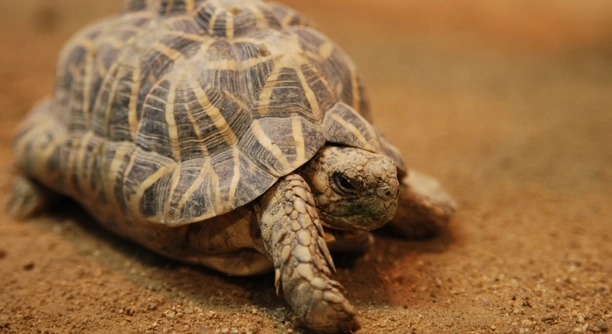
Turtles are fascinating creatures, and as pet owners, we often pay close attention to their habits. Sometimes, it’s easy to notice that your turtle’s head is tucked in, leaving you wondering what’s going on.
Turtles may tuck their heads in for several reasons, including feeling threatened, being cold, or simply resting. It is a natural defense mechanism that can also occur due to discomfort or stress in their environment.
Understanding your turtle’s behavior and what it might mean can help keep them healthy and happy. We’ll go over the main causes behind this common action and how you can ensure your pet’s well-being.
Why Do Turtles Tuck Their Heads In?
Turtles are naturally cautious creatures, and they tend to retract their heads when they feel uncertain. This behavior is part of their instinctive defense mechanism, helping them protect their vulnerable neck and head. In the wild, this action shields them from potential threats like predators. However, it’s important to remember that not all head-tucking is linked to fear. Turtles also do this when they are simply resting or feeling sleepy. So, if you notice your turtle tucking its head into its shell, it may just be looking for a cozy spot to relax.
Turtles will also pull their heads in when they are startled or stressed. A new environment or loud noises might cause them to retreat into their shells for comfort.
To ensure your turtle’s well-being, observe their environment. If there are consistent signs of stress like frequent head-tucking, it may be time to check the temperature of their habitat or introduce a more secure hiding spot. Making sure they feel safe can help reduce unnecessary anxiety. Proper care and a suitable environment go a long way in keeping your turtle content and relaxed.
Temperature and Its Effect on Turtles
Temperature plays a big role in a turtle’s behavior. If their environment is too cold, turtles may feel uncomfortable and react by tucking in their heads.
Turtles are cold-blooded animals, meaning they rely on external heat sources to regulate their body temperature. If the water or basking area in their habitat is too chilly, your turtle might feel sluggish and withdraw its head into its shell. This reaction is a way of conserving heat and protecting itself from the cold. It’s essential to monitor the temperature of the water and the basking spot to ensure they stay within the recommended range for your specific turtle species. For most turtles, this is usually between 75 to 85°F for the water and 85 to 90°F for basking. Providing a heat lamp and a thermometer in their habitat can help maintain the proper conditions and encourage your turtle to be more active.
Stress and Anxiety in Turtles
Turtles can become stressed or anxious, leading them to pull their heads in as a way to feel safer.
Stress in turtles can come from many sources, such as changes in their environment, loud noises, or a lack of proper hiding spots. If your turtle is suddenly in a new tank or room, it may retreat into its shell to find comfort. Turtles are sensitive creatures, and changes in their surroundings can cause them to feel vulnerable. Regular handling or too much interaction might also make them anxious, leading to head-tucking behavior.
To reduce stress, give your turtle time to adjust. Make sure their habitat is quiet, calm, and free from sudden disturbances. Providing a hiding place where they can feel secure may also help them feel more at ease. Avoid overcrowding their space with too many tank mates, as this can contribute to anxiety. A peaceful environment helps your turtle stay calm and less likely to exhibit stress-related behaviors.
Health Issues That Affect Turtles
Sometimes, head-tucking can be a sign that your turtle is not feeling well.
Turtles may tuck their heads in if they are suffering from illness or discomfort. Respiratory infections, shell rot, or other health issues can make them feel vulnerable, leading them to withdraw into their shells. You may also notice changes in their eating habits or a decrease in energy levels. If you see these signs, it’s crucial to consult with a veterinarian to check for any potential health problems.
A turtle with a respiratory infection may frequently hide its head, especially if it is having difficulty breathing. Similarly, an infection in the shell or skin could cause pain, prompting the turtle to withdraw. Keeping a close eye on their behavior and looking for signs of illness will help you address any health concerns early. Regular check-ups and a clean, well-maintained habitat are key to keeping your turtle healthy.
Inadequate Lighting and Basking Areas
Turtles need proper lighting and basking spots to stay healthy. Without them, they may feel uncomfortable and retreat into their shells.
A lack of UVB light can cause your turtle to become stressed or sluggish, making them more likely to tuck their heads. Turtles need UVB rays to metabolize calcium and maintain their shell and bone health. If your turtle isn’t getting enough light, they might feel weak and withdrawn. Providing proper lighting, such as a UVB bulb and a heat lamp, is essential for their well-being.
Proper Diet and Nutrition
A poor diet can affect your turtle’s energy levels and behavior.
If your turtle isn’t getting enough nutrients, especially calcium and protein, they might become lethargic or stressed. A balanced diet is crucial for maintaining their overall health and preventing behaviors like frequent head-tucking. Offer a mix of leafy greens, pellets, and occasional protein to keep them energized. Regularly changing their diet can also ensure they’re getting everything they need.
Behavioral Patterns and Resting Habits
Head-tucking can simply be part of your turtle’s natural resting behavior.
Some turtles tend to pull their heads into their shells when they’re sleepy or just enjoying some quiet time. If your turtle is in a safe, comfortable environment and not showing signs of stress or illness, head-tucking might just be a part of their normal rest cycle. They may retreat into their shell to sleep and emerge later when they feel ready.
FAQ
Why is my turtle’s head tucked in all the time?
If your turtle’s head is tucked in frequently, it could be a sign of stress, discomfort, or a need for rest. Turtles naturally pull their heads into their shells when they feel threatened, anxious, or cold. If this behavior seems constant, it’s important to check their environment. Ensure that their tank has the right temperature, proper lighting, and a secure hiding space. Sometimes, turtles tuck their heads to relax or sleep, so if there are no other signs of distress, it may just be a natural behavior.
Can stress cause my turtle to keep its head tucked in?
Yes, stress can cause a turtle to withdraw into its shell. Turtles are sensitive to changes in their environment, and new surroundings, loud noises, or constant handling can cause them to retreat. Stress may also result from overcrowding in their tank, a lack of hiding spots, or an inappropriate tank setup. If your turtle is stressed, it will likely exhibit other behaviors, such as reduced appetite, swimming in circles, or excessive hiding. Make sure your turtle’s living space is calm and peaceful.
How can I tell if my turtle is sick when it’s hiding its head?
If your turtle is hiding its head and displaying other symptoms like loss of appetite, lethargy, or trouble swimming, it could be sick. Illnesses like respiratory infections, shell rot, or parasites can cause a turtle to retreat into its shell as a way to protect itself. A turtle with a respiratory infection may also make wheezing or labored breathing sounds. It’s best to take your turtle to a vet who specializes in reptiles if you notice unusual behavior along with the head-tucking.
Is my turtle cold if its head is tucked in?
Yes, cold temperatures can make your turtle feel uncomfortable and lead to it tucking its head. Since turtles are cold-blooded, they rely on external heat sources to regulate their body temperature. If the water or basking spot is too cold, your turtle may feel sluggish or seek warmth by pulling its head into its shell. Make sure your turtle’s habitat maintains the right temperature, typically between 75 to 85°F for water and 85 to 90°F for basking.
What can I do if my turtle is always hiding its head?
If your turtle is constantly hiding its head, check for stressors or environmental issues. Ensure the tank’s temperature is correct, the water is clean, and the lighting is adequate. Also, provide enough hiding spots, but make sure they’re not too cramped or dark. If the environment seems fine, consider that your turtle might just be resting. If the behavior persists and you notice other concerning symptoms, a visit to the vet can help rule out illness.
Should I be worried if my turtle is only tucking its head in at night?
It’s not unusual for turtles to tuck their heads in at night as they sleep. Turtles are naturally nocturnal or crepuscular, meaning they are most active during the dawn and dusk hours. If your turtle only tucks its head in at night and shows no other signs of distress, it’s likely just following its natural sleep cycle. Just make sure the habitat is set up properly, with a comfortable and safe environment for them to rest.
Can I handle my turtle if it’s tucking its head in?
It’s best not to handle your turtle if it is pulling its head into its shell, as it may be stressed or feeling vulnerable. Handling your turtle during this time could make them more anxious and possibly worsen the situation. Allow them time to adjust and feel secure in their environment before attempting to interact. If the turtle is healthy and the habitat is calm, you should be able to handle them gently once they are more active.
Does a turtle tuck its head in because it is scared?
Yes, turtles often tuck their heads in when they are scared or feel threatened. This is a natural defense mechanism, where the turtle pulls its head into the shell for protection. If your turtle is in a new environment, or if there are sudden noises or movements around it, this behavior is common. Providing a stable, quiet, and safe environment will help reduce fear and anxiety, which may stop the head-tucking behavior.
What is the best way to reduce stress in my turtle?
To reduce stress in your turtle, ensure its habitat is quiet, secure, and comfortable. Avoid loud noises or frequent disturbances. Maintain proper water temperature, lighting, and humidity levels in the tank. It’s also important to give your turtle enough space and a hiding spot to retreat to when it needs rest. Limit handling and give your turtle time to adjust to any changes in its environment.
When should I take my turtle to the vet if its head is tucked in?
If your turtle’s head-tucking is accompanied by other symptoms like lack of appetite, lethargy, trouble swimming, or abnormal breathing, it may be time to see a vet. Any sign of illness, injury, or abnormal behavior should be addressed promptly. A veterinarian can provide a thorough check-up to determine if there’s an underlying health issue causing the behavior.
Final Thoughts
Turtles are unique creatures with distinct behaviors that can sometimes be puzzling. Head-tucking is a natural action for them, often linked to comfort or protection. If your turtle pulls its head into its shell, it may just be resting or feeling secure. However, if this behavior seems excessive or is accompanied by other symptoms, it’s important to look deeper into the situation. Stress, illness, or environmental issues can all contribute to head-tucking, so understanding the cause is key to keeping your turtle healthy.
Creating a comfortable and safe environment is essential for your turtle’s well-being. The right tank temperature, lighting, and a quiet, calm space will help prevent unnecessary stress. Turtles are sensitive to changes in their surroundings, so making sure they feel secure in their habitat can reduce their need to hide. If your turtle appears stressed, consider making adjustments, such as adding more hiding spots or reducing handling. A turtle’s natural instinct is to seek protection when it feels threatened, and giving it a peaceful space can help it feel more relaxed.
If you notice any signs of illness, such as loss of appetite, lethargy, or trouble breathing, it’s important to consult a veterinarian. While head-tucking can be a sign of comfort, it can also indicate discomfort or illness if accompanied by other changes. Keeping an eye on your turtle’s overall health, diet, and behavior can help you spot any potential problems early. By providing the right care, environment, and attention, you can ensure your turtle remains healthy and happy for years to come.

Hello,
If you enjoy the content that we create, please consider saying a "Thank You!" by leaving a tip.
Every little bit helps us continue crafting quality advice that supports the health, happiness, and well-being of pets around the world, for pets of all shapes, sizes, and species.
We really appreciate the kindness and support that you show us!