
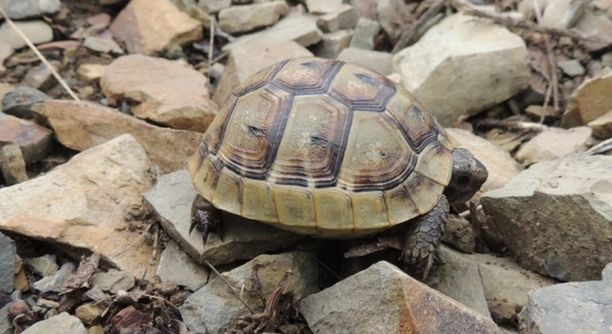
Caring for a Russian Tortoise goes beyond feeding and housing; their shell health is essential for their well-being. This article will guide you through simple, effective ways to keep your tortoise’s shell in top condition.
To maintain your Russian Tortoise’s shell health, ensure they receive proper nutrition, regular sunlight, a clean habitat, and sufficient hydration. Regular veterinary check-ups and minimizing stress also help prevent shell-related issues, ensuring long-term well-being.
By following these tips, you can help prevent shell damage and keep your tortoise happy and healthy for years to come.
Proper Diet for a Healthy Shell
A balanced diet is one of the most important factors in maintaining a healthy shell for your Russian Tortoise. Their diet should be rich in fiber, low in fat, and include a variety of leafy greens, vegetables, and some fruits. Foods like dandelion greens, collard greens, and kale provide the essential nutrients that support shell growth and overall health. Offering a variety of foods ensures your tortoise gets a range of vitamins and minerals necessary for strong, healthy shell development.
Make sure to avoid feeding them foods that are too high in oxalates or phosphorus, such as spinach or iceberg lettuce, as they can hinder calcium absorption and affect shell health. A proper calcium supplement is also vital to ensure your tortoise’s shell remains strong and free from deformities or soft spots. This can be provided in the form of a calcium powder, which can be sprinkled on their food.
Your tortoise’s shell will reflect their diet. Poor nutrition can lead to shell deformities like pyramiding or softness. Make sure to stick to a consistent, healthy feeding schedule and watch for any signs of changes in your tortoise’s shell that may indicate a dietary imbalance.
Sunlight and UVB Exposure
Proper sunlight and UVB exposure are crucial for your tortoise’s shell health. Without UVB, your tortoise won’t be able to properly metabolize calcium, leading to weakened bones and shell deformities.
Russian Tortoises need about 10-12 hours of sunlight or UVB light each day. If outdoor exposure is limited, a high-quality UVB light in their habitat can help mimic natural sunlight. Be sure to place the light close to your tortoise to allow them to bask in the rays.
Hydration for Healthy Shell Growth
Proper hydration plays a significant role in maintaining your Russian Tortoise’s shell. When your tortoise is hydrated, their body functions properly, helping to maintain the strength and integrity of the shell. Offer fresh water daily and encourage your tortoise to drink by placing the water bowl in a shallow dish.
Russian Tortoises can be prone to dehydration, especially in drier environments. A good way to keep them hydrated is by misting their habitat with water regularly. This will also help them absorb moisture through their skin, aiding in digestion and overall health. Be mindful of the humidity levels, too, as too much moisture can lead to respiratory issues.
Sometimes, you may also notice your tortoise soaking in their water bowl. This behavior is natural and helps them stay hydrated, especially if they’re feeling too dry or overheated. Always monitor the water for cleanliness and change it regularly to ensure it’s free of bacteria and debris.
Clean Habitat and Shell Maintenance
A clean living environment is essential for your tortoise’s shell health. A dirty habitat can lead to fungal infections or shell rot, which can cause long-term damage. Regularly clean the substrate, remove uneaten food, and wash their water bowl.
A good rule of thumb is to spot clean your tortoise’s habitat daily, removing waste and leftover food. Once a week, do a deep cleaning of the entire enclosure to prevent bacteria and mold buildup. Make sure the substrate is dry and free from any standing water, as damp conditions can encourage fungal growth.
Shell health can be affected by dirt and debris that accumulate on their shell. It’s important to gently scrub their shell using a soft brush and water. This helps prevent bacteria or fungus from causing infections and keeps their shell looking clean and healthy.
Regular Vet Check-ups
Regular veterinary visits help detect potential shell problems early. A vet can examine the condition of your tortoise’s shell and overall health, identifying issues before they become serious. Make sure your tortoise gets a check-up at least once a year.
During these visits, your vet will check for signs of shell rot, fungal infections, or deformities. If you notice any changes in your tortoise’s behavior or shell, it’s important to bring them in for an exam sooner. Early intervention can prevent costly treatments and ensure your tortoise lives a healthy life.
Reduce Stress for Shell Health
Keeping your tortoise’s stress levels low is key to overall health, including shell maintenance. High-stress levels can weaken their immune system, leading to health issues.
Make sure their environment is quiet and free from sudden changes. Avoid handling them too much and ensure they have a comfortable, secure space to retreat to when they need rest.
FAQ
How can I tell if my Russian Tortoise’s shell is healthy?
A healthy shell should be smooth, hard, and free from cracks or soft spots. If you notice any bumps, scarring, or deformities, these can be signs of malnutrition or poor care. Shell pyramiding, where the scutes (the bony plates) form pyramid-like peaks, is often caused by improper diet or insufficient UVB exposure. If you feel any soft or spongy areas, it could indicate calcium deficiency. Always monitor their shell closely, and if anything seems abnormal, consult your vet.
What should I do if my tortoise’s shell is soft?
A soft shell is a serious concern and typically a sign of calcium deficiency or improper UVB exposure. Make sure your tortoise gets enough calcium in their diet and receives adequate UVB light. If the shell remains soft, you should take them to a vet immediately. The vet may recommend supplements or adjustments to their habitat to address the underlying cause. It’s also important to ensure they are properly hydrated and not stressed, as this can further weaken the shell.
Can I clean my Russian Tortoise’s shell?
Yes, you can clean your tortoise’s shell, but it’s essential to do it gently. Use a soft brush or sponge with warm water to remove dirt and debris from the shell. Avoid using soap or harsh chemicals, as they can irritate your tortoise’s skin. Cleaning helps prevent infections and keeps their shell looking healthy. However, don’t scrub too hard, as this can cause damage to the shell. Regularly cleaning the habitat will also reduce the need for frequent shell cleaning.
Is it okay if my tortoise’s shell has small cracks?
Small cracks on the shell can happen occasionally, but they should be monitored closely. If the cracks are minor and the shell is still hard and intact, they may heal on their own. However, if the cracks are deep or there is any sign of infection, it’s important to take your tortoise to the vet. Infections in cracks can lead to serious health issues, including shell rot. Keep the area clean and dry, and try to minimize stress while you wait for professional treatment.
How much UVB light does my Russian Tortoise need?
Russian Tortoises need about 10-12 hours of UVB light per day to ensure proper calcium metabolism. This can be achieved through direct sunlight or a high-quality UVB light source. If you’re using artificial UVB lighting, make sure to change the bulb regularly, as its UVB output weakens over time, even if the light still works. Position the light close to your tortoise so they can bask directly under it. Without adequate UVB light, your tortoise may suffer from shell deformities and bone issues.
Can a poor diet cause shell problems?
Yes, a poor diet is one of the main causes of shell problems in Russian Tortoises. Feeding them an imbalanced diet, especially one that’s too high in protein or low in fiber, can lead to pyramiding, soft spots, and other shell deformities. Providing a variety of leafy greens, safe vegetables, and occasional fruits ensures your tortoise gets the nutrients they need. Calcium is essential for shell health, so it’s important to offer a calcium supplement as well. Always avoid feeding your tortoise foods that are high in oxalates or phosphorus, such as spinach, which can interfere with calcium absorption.
What’s the best way to prevent shell rot?
Shell rot is usually caused by bacteria or fungi that enter through cracks or injuries on the shell. The best way to prevent shell rot is to maintain a clean, dry habitat for your tortoise. Remove any soiled bedding, uneaten food, and waste daily. Be sure your tortoise’s enclosure is well-ventilated to prevent humidity buildup, which can promote fungal growth. Regularly clean your tortoise’s shell with a soft brush to prevent debris from causing infections. If you notice any signs of rot, such as soft or discolored patches, seek veterinary care immediately.
How often should I take my tortoise to the vet?
It’s a good idea to take your tortoise to the vet once a year for a routine check-up. During the check-up, the vet will examine your tortoise’s shell, check for any potential health issues, and ensure they’re growing properly. If you notice any changes in your tortoise’s shell, behavior, or appetite, schedule a vet appointment sooner. If your tortoise is sick or stressed, don’t wait for the annual check-up—prompt attention can prevent minor issues from becoming serious.
What are the signs of dehydration in a Russian Tortoise?
Dehydration can be a serious issue for tortoises. Signs of dehydration include sunken eyes, lethargy, dry skin, and a lack of appetite. A dehydrated tortoise may also become less active or refuse to drink water. Ensure your tortoise always has access to fresh water and keep their habitat at the right humidity level. You can also soak your tortoise in shallow, lukewarm water for 20-30 minutes to help them hydrate, especially if they’re showing signs of dehydration.
What temperature should my Russian Tortoise’s habitat be?
The ideal temperature for a Russian Tortoise’s habitat is between 75-85°F (24-29°C) during the day, with a basking spot reaching 90°F (32°C). At night, the temperature should be allowed to drop to around 65-75°F (18-24°C). This temperature range mimics their natural environment and helps them regulate their metabolism. Use a thermometer to monitor the temperature in their enclosure and adjust as necessary. Too hot or too cold temperatures can cause stress and health problems for your tortoise.
Taking care of your Russian Tortoise’s shell health is essential to ensuring they live a long and happy life. A healthy shell is not only important for their appearance, but it also plays a significant role in their overall well-being. Shell problems can be prevented with the right care, including a balanced diet, proper hydration, and the correct environment. When you pay attention to their shell’s condition, you’re helping your tortoise stay healthy and avoid serious issues that could arise from neglect.
It’s important to understand that maintaining a healthy shell isn’t just about one aspect of care; it’s a combination of factors. A proper diet rich in calcium and fiber, regular exposure to UVB light, a clean habitat, and minimizing stress are all part of the equation. By following the tips outlined, you can help your tortoise avoid common problems like shell rot or pyramiding. Additionally, regular vet check-ups will allow you to catch any potential issues early on, before they become serious. These steps help ensure your tortoise’s shell stays strong and protected.
Shell health might seem like a small part of caring for your Russian Tortoise, but it’s a crucial one. The shell is a vital part of their body, and keeping it in top condition is important for their overall health. By providing a good environment, balanced nutrition, and proper care, you can ensure your tortoise’s shell remains strong and healthy. With a little attention and regular maintenance, your Russian Tortoise can thrive, live a long life, and enjoy a healthy, beautiful shell.

Hello,
If you enjoy the content that we create, please consider saying a "Thank You!" by leaving a tip.
Every little bit helps us continue crafting quality advice that supports the health, happiness, and well-being of pets around the world, for pets of all shapes, sizes, and species.
We really appreciate the kindness and support that you show us!