
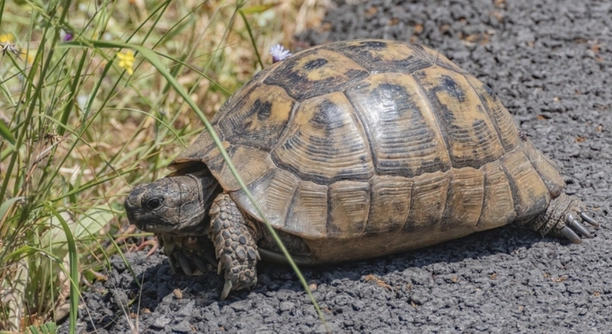
If you’re a Russian tortoise owner, it’s important to know when your pet might be getting too hot. Overheating can cause health issues, so understanding the signs is crucial for their well-being.
A Russian tortoise’s habitat should be kept at a consistent, moderate temperature. If they become too hot, signs like lethargy, excessive panting, or even attempts to dig to cooler areas may appear. Providing a cooler space is essential.
Understanding how temperature affects your tortoise will help prevent overheating. By adjusting their environment, you can ensure they stay comfortable and healthy.
Signs Your Russian Tortoise Is Too Hot
If your Russian tortoise is exposed to high temperatures for too long, it can cause stress and health issues. Overheating is dangerous and may lead to dehydration, exhaustion, or even death. It’s important to know the early signs so you can act quickly. Look for signs such as sluggishness, heavy breathing, or panting. You might also notice that your tortoise is digging more often, trying to escape the heat. Pay attention to their behavior, as it can change when they are uncomfortable.
These signs indicate your tortoise is too hot and needs to cool down. Moving them to a shaded area or lowering the temperature in their enclosure is essential for their comfort.
In their natural habitat, Russian tortoises live in warm environments but are still adapted to handle temperature fluctuations. Providing a consistent, moderate heat is key. They prefer temperatures ranging from 75°F to 85°F. The basking area should be warmer, around 90°F, but it’s vital to have a cooler zone for your tortoise to retreat to. This way, they can regulate their body temperature naturally. Make sure your enclosure has proper ventilation and doesn’t trap heat, as this can make your pet overheat faster.
How to Create a Cooler Environment
Creating a comfortable environment for your tortoise is simple. Provide access to shade and cool areas within their habitat.
To regulate the temperature in your tortoise’s enclosure, consider using a thermometer to monitor the heat levels. A cool hide, such as a box or log, will give them a place to escape the warmth. Mist the enclosure occasionally to help with humidity levels and to cool things down, but be careful not to make it too damp. Always have fresh water available, and avoid placing your tortoise in direct sunlight for too long. By adjusting the environment and keeping an eye on the temperature, you ensure they stay healthy.
How to Check if Your Russian Tortoise is Too Hot
A quick check of your tortoise’s behavior can tell you if they are too hot. Look for signs like excessive digging or lethargy. Pay attention to their body temperature as well, especially if they seem uncomfortable or unusually still.
If your tortoise is very still or breathing heavily, it’s a sign the environment may be too warm. Make sure your pet is not too hot by checking their body temperature with a thermometer. You can place the thermometer gently near their shell to get an accurate reading. When their body temperature rises too high, it can cause stress, so it’s important to act quickly to cool them down.
If you notice your tortoise is digging more than usual or trying to bury themselves, it could be an indication they are looking for a cooler place. This behavior is common when they feel overheated. Make sure your pet has enough hiding spots and cooler areas to retreat to. This allows them to regulate their temperature and avoid becoming too hot.
What to Do When Your Tortoise is Overheating
First, move your tortoise to a cooler place if you notice signs of overheating. This will give them a break from the hot environment and help lower their temperature.
You can try gently misting your tortoise with cool water to help them cool down, but avoid soaking them. Make sure there’s fresh, cool water available to keep them hydrated. If they seem very distressed, place them in a shaded, cool area with good ventilation. Overheating can quickly lead to dehydration, so offering water and a cooler environment is essential. Allow your tortoise to rest in the cooler area until their body temperature stabilizes.
How to Prevent Your Tortoise From Getting Too Hot
To avoid overheating, it’s important to control the temperature in your tortoise’s habitat. Use a reliable thermometer to monitor both the basking area and cooler spots. Ensure the enclosure has proper ventilation to help regulate heat.
Be mindful of the environment. Placing your tortoise in an area with stable temperature fluctuations is key. Avoid direct sunlight for long periods. A temperature gradient is best, allowing your tortoise to move between warm and cooler areas. This helps them self-regulate their body temperature and reduces the risk of overheating.
Signs of Dehydration from Heat Stress
Overheating can lead to dehydration, which is dangerous for your tortoise. Look for signs like sunken eyes, dry skin, or lethargy. Make sure your tortoise always has access to fresh water, especially during warm weather.
Hydration is vital for your tortoise’s health. If you notice any of the signs of dehydration, offer water immediately. You can also lightly mist your tortoise to help them stay cool and hydrated. Always ensure their water bowl is clean and filled with fresh water to encourage drinking.
FAQ
What temperature should my Russian tortoise’s enclosure be?
Your Russian tortoise’s enclosure should have a temperature range of 75°F to 85°F during the day. The basking spot should be warmer, around 90°F, but there should also be a cooler area, ideally around 75°F, for your tortoise to retreat when they need to. A temperature gradient allows your tortoise to regulate their body temperature naturally. Make sure to avoid extreme heat or cold, as both can be harmful.
Can my Russian tortoise get too hot in its enclosure?
Yes, a tortoise can definitely get too hot. If their enclosure is too warm, they may become stressed, lethargic, or even dehydrated. This can cause serious health issues. Make sure to provide a temperature gradient and monitor it with a thermometer. Adjusting the heat, especially during warmer weather, is important to prevent overheating.
How can I tell if my tortoise is too hot?
Signs of overheating in a Russian tortoise include excessive digging, panting, lethargy, or refusal to eat. You might notice that your tortoise is not moving around much and is seeking out cooler places to hide. If you notice these signs, immediately check the temperature and adjust it as needed. It’s important to act quickly to avoid health issues related to heat stress.
What should I do if my Russian tortoise gets too hot?
If your tortoise is too hot, move them to a cooler spot right away. Ensure the cooler spot has proper ventilation and is not in direct sunlight. You can also mist them lightly with cool water to help bring down their body temperature. Provide fresh water and allow them to rest in the cooler area until they feel better.
Is it safe to mist my tortoise when it’s too hot?
Yes, misting your tortoise with cool water can help them cool down when they’re overheated. However, don’t soak them completely. A light misting on their shell and limbs can aid in cooling without causing stress. Always make sure to give your tortoise access to fresh water to help with hydration as well.
How can I prevent my tortoise from getting too hot in the future?
To prevent overheating, ensure the enclosure has a consistent, moderate temperature. Use a thermometer to check the temperature regularly. Make sure there is a cool retreat area where your tortoise can escape the heat. Avoid placing the enclosure in direct sunlight for long periods and ensure it’s well-ventilated.
What is the ideal humidity for a Russian tortoise?
Russian tortoises do not need high humidity, but the environment should not be too dry either. Aim for a humidity level of 30%-50%. Too much moisture can lead to shell rot, while too little can cause dehydration. It’s important to maintain a balance by misting occasionally and providing a water source for hydration.
Can Russian tortoises live in direct sunlight?
While Russian tortoises enjoy some exposure to sunlight, too much direct sunlight can cause them to overheat. You can allow them to bask in the sun for short periods, but make sure they always have access to shade and a cooler spot in their enclosure. The key is moderation.
How often should I check the temperature in my tortoise’s enclosure?
It’s a good idea to check the temperature in your tortoise’s enclosure daily, especially during seasonal changes or warm weather. Temperature fluctuations can occur unexpectedly, and regular checks ensure that your tortoise is comfortable and safe. Having a thermometer in both the basking and cooler areas will help you keep track of the environment.
What should I do if my tortoise refuses to eat because of the heat?
If your tortoise refuses to eat, it may be a sign that they are too hot or stressed. Check the temperature of their environment and adjust it to a more comfortable level. If they still refuse to eat after the temperature is regulated, monitor them closely and ensure they are hydrated. If the issue persists, consult a veterinarian.
Can I use heat lamps to regulate the temperature for my tortoise?
Yes, heat lamps are often used to create a warm basking area for tortoises. Make sure the heat lamp is positioned at the correct height to maintain the desired temperature range of 90°F in the basking area. You can use a ceramic heat emitter or a basking bulb to regulate the warmth, but avoid using heat rocks as they can get too hot and burn your tortoise.
How do I keep my tortoise cool during summer?
During summer, it’s important to monitor the temperature more closely as the weather can fluctuate. Keep your tortoise’s enclosure out of direct sunlight for most of the day, and ensure there are plenty of shaded areas. You can also add cooling elements, like a small fan or misting system, but make sure it doesn’t get too damp.
Can my tortoise get heat stroke?
Yes, if a tortoise is exposed to excessive heat for an extended period, it can develop heat stroke, which can be fatal if untreated. Signs of heat stroke include excessive panting, lethargy, and difficulty moving. If you suspect your tortoise is suffering from heat stroke, immediately move them to a cooler area and consult a veterinarian.
What is the best way to hydrate my tortoise during hot weather?
The best way to hydrate your tortoise during hot weather is by ensuring they have constant access to fresh water. You can also soak them in shallow water for 15-20 minutes to help with hydration. Make sure to monitor their behavior and adjust the temperature to prevent further stress.
Should I use a thermostat for my tortoise’s enclosure?
Yes, using a thermostat to regulate the temperature in your tortoise’s enclosure is a smart way to maintain a stable environment. A thermostat ensures the heat sources don’t get too hot, especially if you are using heat lamps or heating pads. This helps prevent overheating and keeps your tortoise safe.
What time of day is best for my tortoise to bask in the sun?
The best time for your tortoise to bask in the sun is early in the morning or late afternoon when the sun is not as intense. Avoid midday sun exposure, as it can be too hot for your tortoise. Always make sure they have access to shade during their outdoor time.
How long can my tortoise stay in the sun?
Your tortoise can stay in the sun for short periods, typically 15-30 minutes, depending on the temperature. If the weather is particularly hot, limit sun exposure to avoid overheating. Always provide shade and access to water while they are outside. Never leave them unattended in the sun for too long.
Final Thoughts
Keeping your Russian tortoise healthy and comfortable involves careful attention to their environment, especially when it comes to temperature control. Overheating is a common problem for tortoises, and understanding the signs of heat stress can help you prevent it. By providing a balanced temperature range in their enclosure, you give them the opportunity to regulate their body temperature. This allows them to stay active, healthy, and stress-free.
Monitoring your tortoise’s behavior is a key way to spot potential temperature issues. If you notice that they are digging excessively, breathing heavily, or acting lethargic, it could be a sign that they are too hot. These behaviors should not be ignored. The sooner you adjust their habitat, the better. Keeping a thermometer in their enclosure and checking it regularly ensures you are staying on top of temperature changes, especially during warmer months. Small adjustments, like providing more shade or cooler spots, can make a big difference.
Finally, providing your Russian tortoise with a stable and comfortable environment goes beyond temperature regulation. Hydration is just as important. Make sure they have access to fresh water at all times, especially during hotter weather. A well-maintained, balanced environment will not only help prevent overheating but also keep your tortoise happy and thriving. If you ever feel uncertain about their health or behavior, consulting a veterinarian is always a good idea.

Hello,
If you enjoy the content that we create, please consider saying a "Thank You!" by leaving a tip.
Every little bit helps us continue crafting quality advice that supports the health, happiness, and well-being of pets around the world, for pets of all shapes, sizes, and species.
We really appreciate the kindness and support that you show us!