
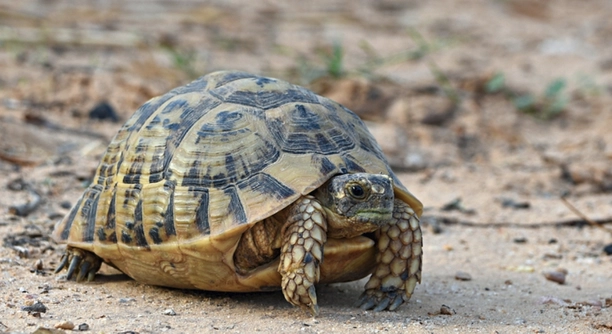
Russian tortoises are active creatures and may display behaviors like digging at night. This behavior can be perplexing, especially if you notice it occurring regularly in your pet’s enclosure. Understanding why this happens can help you address it.
The most common reason your Russian tortoise digs at night is related to its natural instincts. Tortoises may dig to create a comfortable, secure space, especially when they feel stressed, during shedding, or as part of their burrowing behavior.
Knowing the causes behind this behavior can help improve your tortoise’s environment and prevent stress. Let’s explore the reasons and solutions that can lead to a happier, more comfortable tortoise.
Why Do Russian Tortoises Dig?
Russian tortoises are natural diggers, and this behavior stems from their instincts. Digging is essential for their survival in the wild. They create burrows to sleep, hide from predators, and regulate their body temperature. When they feel safe and secure in their environment, tortoises may dig to build a comfortable resting area. This is especially common during the night when the temperature drops.
Sometimes, this digging is also linked to stress. Changes in their habitat, like temperature fluctuations or noise, may trigger this behavior. Another factor could be the presence of something unfamiliar in their environment, like a new object or a change in their routine. Tortoises may dig as a way to cope with these stressors.
Finally, digging is a way for your tortoise to satisfy its natural instincts. It’s a behavior they are born with, and it can sometimes occur without any obvious external reason. Understanding this is key to ensuring your tortoise’s happiness.
How to Manage Digging at Night
To help your tortoise, creating a stable environment is essential. Ensure its enclosure is free from drastic temperature changes. Adding more substrate to dig through can also satisfy this instinct and minimize excessive nighttime digging.
If stress or changes in the environment seem to cause digging, observe the setup and make adjustments to make your tortoise feel more comfortable. Consider offering a hideaway, so they feel secure and can dig in a more controlled space.
Stress and Anxiety
Stress can make your tortoise dig more, especially at night. When a tortoise feels unsafe or unsure about its surroundings, it may dig to find a secure, quiet space. Even small changes in their habitat can cause this behavior. If you’ve recently moved your tortoise or added new objects, the digging may be a reaction to that change.
Stress can also arise from factors like noise, sudden temperature changes, or even the presence of other animals. Russian tortoises are sensitive to their environment, and even subtle shifts can create anxiety. It’s important to keep their enclosure consistent and calm to prevent stress-induced digging.
To reduce stress, try to maintain a predictable environment. Keeping the temperature stable and minimizing loud noises will help your tortoise feel at ease. Additionally, avoid frequent handling or changes to its habitat. These small steps can make a big difference in reducing unnecessary digging.
Temperature and Environmental Factors
Russian tortoises are cold-blooded, meaning they depend on their environment to regulate their body temperature. If their enclosure is too hot or too cold, they may dig in an attempt to find a more suitable temperature. It’s essential to provide a proper temperature gradient within the enclosure, with a warm basking area and a cooler zone for your tortoise to retreat to when needed.
A consistent temperature is crucial for their well-being. Temperature fluctuations during the day and night can be uncomfortable for your tortoise. Providing a heat source during colder months and ensuring the enclosure has proper ventilation will help prevent nighttime digging caused by discomfort.
If the enclosure is too hot or too cold, it can also lead to other health problems, such as dehydration or overheating. Therefore, keeping the temperature stable is key to managing your tortoise’s behavior and comfort.
Natural Behavior
Digging is just part of your tortoise’s natural behavior. In the wild, they dig to create burrows for sleeping, hiding from predators, and regulating temperature. This instinctual behavior continues in captivity, especially if they feel the need for security or comfort at night.
Since digging is a natural behavior, it’s important not to stop it completely but instead ensure that it doesn’t disrupt their well-being. By providing enough space and proper bedding, your tortoise will feel more comfortable engaging in this behavior without causing harm.
Enclosure Size and Setup
The size of your tortoise’s enclosure plays a big role in digging. A small or cramped space can lead to stress, causing your tortoise to dig in search of a more comfortable area. Larger enclosures allow your tortoise to explore and satisfy its natural instincts without feeling trapped.
A well-designed enclosure should provide enough room for your tortoise to roam, dig, and find shelter. Adding extra substrate, such as soil or coconut fiber, allows your tortoise to engage in natural digging without feeling confined. A spacious setup can reduce the chances of excessive nighttime digging.
Health Concerns
Sometimes, digging may be linked to health issues. If your tortoise is uncomfortable due to physical pain or discomfort, it may dig to alleviate pressure or stress. Check for signs of injury or illness, such as lethargy, difficulty moving, or changes in eating habits.
If your tortoise’s digging behavior is accompanied by other unusual signs, it’s important to consult a vet. Pain, infections, or digestive problems may cause the tortoise to dig as a way to cope. Addressing these health concerns early can prevent further discomfort and behavioral issues.
FAQ
Why is my Russian tortoise digging so much at night?
Russian tortoises are naturally active and may dig at night as part of their instinctual behavior. They dig to create a safe space, regulate their body temperature, or find comfort. It could also be a sign of stress if they feel unsafe or uncomfortable in their environment. Ensuring their enclosure is large enough and free from stressors can help reduce excessive digging.
Can I stop my tortoise from digging at night?
While digging is a natural behavior, it’s not necessary to stop it completely. The goal should be to manage it. By providing a comfortable and stable environment with enough space, the tortoise will feel more at ease. Adding appropriate bedding and ensuring the enclosure is calm can help limit unnecessary digging.
How can I tell if my tortoise is stressed?
Stress in tortoises can show up in various ways. In addition to excessive digging, signs of stress may include lethargy, loss of appetite, hiding more often, or aggression. If your tortoise is suddenly behaving differently, look for environmental changes or other potential stressors. Keep the enclosure temperature and humidity levels stable, and avoid making frequent changes to their habitat.
Is nighttime digging a sign of health problems?
Nighttime digging doesn’t typically indicate health problems. However, if the behavior is accompanied by other signs such as lethargy, loss of appetite, or trouble moving, it’s worth looking into. Health issues like respiratory infections or shell problems may cause discomfort, prompting your tortoise to dig. A vet visit can help rule out any medical concerns.
Should I change my tortoise’s bedding to stop digging?
Changing the bedding can help, but the primary focus should be on making the tortoise feel comfortable and secure. Use bedding like coconut coir, soil, or a mixture of both that allows your tortoise to dig without issues. If the bedding is too sparse or uncomfortable, they may dig more in search of a better spot.
Can a smaller enclosure cause my tortoise to dig more?
Yes, a small enclosure can lead to stress, which may result in more digging. If your tortoise feels cramped, it may dig in search of more space or a more comfortable environment. Ensuring the enclosure is large enough for your tortoise to move around and engage in natural behaviors will reduce stress and digging.
How do I know if my tortoise is too hot or too cold?
Tortoises are sensitive to temperature changes, and both extremes can cause stress or discomfort. A good way to tell if your tortoise is too hot or cold is by observing its behavior. If they are basking excessively or staying in one spot, they might be too cold. If they are hiding or seeking out cooler areas, they might be too hot. Use a thermometer to monitor the temperature in both the basking area and the cooler zone of the enclosure.
Can I provide a hiding place to prevent digging?
Yes, providing a hiding place can reduce the need for digging. If your tortoise feels more secure in its environment, it might be less inclined to dig excessively. Adding a hideaway, such as a small cave or box, can give your tortoise a retreat where it feels safe. However, don’t rely solely on a hiding spot; ensure the overall environment is calm and comfortable.
How much substrate do I need for digging?
A good rule of thumb is to provide enough substrate for your tortoise to dig comfortably. The substrate should be deep enough for your tortoise to burrow, around 4–6 inches. This allows your tortoise to engage in natural digging behavior without running out of space or hitting the bottom of the enclosure too quickly.
Will my tortoise dig if it is bored?
Boredom can contribute to digging, especially if your tortoise has limited stimulation. Providing various enrichment activities, like safe climbing areas, tunnels, and occasional changes in the environment, can keep your tortoise engaged and reduce the likelihood of excessive digging. However, it’s important to remember that digging is also a natural behavior.
Is nighttime digging a sign that my tortoise is not comfortable?
Nighttime digging can be a sign that your tortoise is looking for a more comfortable spot or that it feels insecure. It could be due to an environmental factor such as temperature, humidity, or stress. Make sure the enclosure is large enough and offers both warmth and cooler spaces to help your tortoise settle.
Can I reduce digging by changing my tortoise’s diet?
Diet can influence your tortoise’s behavior, though it’s unlikely to directly stop digging. A balanced, nutritious diet is crucial for overall health. If your tortoise is digging due to stress or discomfort, focus on the habitat changes first. However, ensuring they’re getting the right nutrients can help reduce general discomfort, indirectly affecting behavior.
Final Thoughts
Digging is a natural behavior for Russian tortoises, especially at night. It’s instinctive for them to dig to create shelter, regulate their body temperature, or simply find comfort. While it may seem odd or disruptive at times, it’s important to remember that digging is a sign of a healthy tortoise engaging in its natural instincts. As long as your tortoise is not showing other signs of stress, illness, or discomfort, this behavior is typically nothing to worry about.
If you notice excessive digging that seems out of the ordinary, it could be linked to stress or an uncomfortable environment. Make sure the enclosure is large enough for your tortoise to move around freely and explore. The substrate should be deep enough to allow digging but also stable enough to prevent the tortoise from feeling trapped. Additionally, temperature and humidity levels should be monitored and kept within the ideal range for your tortoise’s well-being. A calm, quiet environment will reduce the chances of your tortoise digging out of stress.
At times, digging may indicate other underlying issues, such as health concerns or boredom. If your tortoise is digging excessively and showing signs like lethargy, a loss of appetite, or unusual behavior, it’s a good idea to consult a veterinarian. Health problems can lead to discomfort, prompting digging as a coping mechanism. In addition, providing enrichment and variety in their environment can help reduce boredom and encourage healthy, active behaviors. With a little attention and care, you can ensure your tortoise feels safe, comfortable, and secure in its enclosure.

Hello,
If you enjoy the content that we create, please consider saying a "Thank You!" by leaving a tip.
Every little bit helps us continue crafting quality advice that supports the health, happiness, and well-being of pets around the world, for pets of all shapes, sizes, and species.
We really appreciate the kindness and support that you show us!