
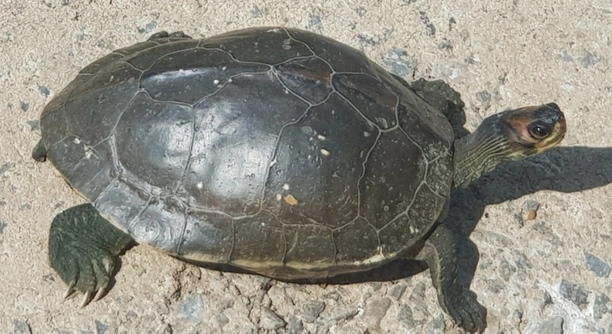
If you’ve noticed your Indian roofed tortoise making clicking sounds, it might be more than just a quirky behavior. These noises can be a signal of something that needs attention. Understanding the causes behind it is important for its well-being.
The clicking sounds your tortoise makes can be due to a variety of reasons, such as respiratory issues, stress, or discomfort. Infections or environmental factors like humidity and temperature could also contribute to these sounds, so it’s important to monitor your pet closely.
Addressing the root cause of these clicking sounds will help ensure your tortoise remains healthy and comfortable.
Possible Causes of Clicking Sounds in Indian Roofed Tortoises
Clicking sounds in your tortoise may be a sign of a respiratory infection. Tortoises are vulnerable to respiratory issues, and if they are exposed to cold or damp conditions, their respiratory system can become compromised. These infections may lead to clicking or wheezing noises, especially during breathing. This could be accompanied by other symptoms such as nasal discharge or lethargy. The cause can be environmental, such as improper humidity levels or temperature that doesn’t suit their needs.
Stress can also result in unusual sounds, including clicking. If the tortoise feels threatened, it may make these noises as a response. Similarly, a change in its environment or handling could cause stress. Any sudden changes, such as moving the tortoise to a new habitat or introducing unfamiliar objects, can lead to discomfort. When stressed, your tortoise may begin to vocalize, or in this case, make clicking sounds.
It’s important to address stress and respiratory issues quickly. A stable, comfortable environment with proper temperature and humidity can help keep your tortoise calm and healthy. Additionally, always ensure the tortoise’s diet is balanced, and its habitat remains clean to avoid potential health problems. If symptoms persist, consult with a veterinarian to rule out any serious conditions.
How to Prevent Clicking Sounds
Environmental factors play a major role in preventing clicking sounds. Proper humidity, warmth, and ventilation are key to a healthy tortoise habitat.
Ensure your tortoise’s habitat is well-maintained to keep it comfortable and reduce the likelihood of respiratory issues. Keep the enclosure at the right temperature and humidity levels for the species. Make sure the area is free from drafts and excessive moisture, which could trigger health issues. Regular cleaning of the habitat is important to avoid bacteria buildup.
An easy way to manage stress is by giving your tortoise a consistent environment. If you need to handle it, do so gently and avoid over-stimulating it. Monitoring your tortoise closely for signs of illness or discomfort, like clicking sounds, can help you address potential problems early. By maintaining the right living conditions and reducing stress, you can prevent unnecessary health issues for your tortoise.
Signs Your Tortoise May Be Sick
If your tortoise continues making clicking sounds, there are other signs to watch for. Look out for loss of appetite, nasal discharge, or excessive sleeping. These are common indicators of respiratory issues or stress.
A sick tortoise may show signs like labored breathing or an abnormal posture. If it’s having difficulty moving or seems weak, these could be warning signs that it’s not feeling well. Pay attention to any behavior changes such as decreased activity levels. These could be a response to internal discomfort or pain.
It’s important to observe your tortoise regularly and take note of any shifts in behavior. If any of these signs appear, it’s crucial to act quickly. Delaying treatment could result in more serious issues. A visit to the vet can help ensure your tortoise receives the proper care and attention it needs.
Providing Proper Veterinary Care
Taking your tortoise to a veterinarian who specializes in reptiles is essential if you notice persistent clicking sounds or other symptoms. The vet will be able to examine your tortoise thoroughly.
In some cases, your tortoise may require antibiotics to treat respiratory infections. A vet can prescribe the right medication to ensure your pet recovers. In addition to medication, the vet may recommend changes to your tortoise’s habitat, such as adjusting temperature or humidity levels.
A healthy tortoise requires regular check-ups to ensure it’s thriving. By scheduling routine visits to the vet, you can prevent potential health issues from escalating. Early intervention is key to maintaining your tortoise’s well-being and ensuring it lives a long, healthy life.
Monitoring the Habitat
Make sure the temperature and humidity levels are ideal for your tortoise. A basking spot should be around 85-90°F, while the cooler side can be 75°F. Humidity should be kept between 50-60%.
Regularly check these conditions using a thermometer and hygrometer. This helps ensure that the environment is suitable for your tortoise, reducing the risk of respiratory issues.
Proper habitat management is key to preventing illness. Avoid placing the tortoise in drafty areas, and ensure its living space is clean and well-ventilated.
The Role of Diet in Health
A balanced diet is important for your tortoise’s immune system. Feed it a variety of leafy greens, fruits, and some protein. Ensure calcium is included for strong bones.
Too much fruit can lead to digestive problems. Make sure you give your tortoise the right balance to keep it healthy. A variety of food is necessary for a well-rounded diet, helping your pet thrive.
Offer fresh water daily. This helps with hydration and digestion, both crucial to your tortoise’s overall health. A healthy diet and proper hydration can reduce the chance of respiratory issues.
FAQ
Why is my Indian roofed tortoise making clicking sounds?
The clicking sounds you hear may be a sign of respiratory issues or stress. Respiratory infections are common in tortoises and can cause abnormal sounds, including clicking or wheezing. Stress from environmental changes, improper handling, or an uncomfortable habitat can also lead to these sounds. It’s essential to monitor your tortoise’s behavior and look for other signs, such as nasal discharge, lethargy, or difficulty breathing. If the clicking persists, consider consulting a vet for an accurate diagnosis.
How can I tell if my tortoise is sick?
Look for signs such as loss of appetite, lethargy, difficulty breathing, and unusual postures. A sick tortoise might also exhibit nasal discharge or watery eyes. Behavioral changes, like reduced activity, are common indicators. Keep an eye on your tortoise’s overall behavior and physical condition. If these signs appear, a visit to the vet is recommended for proper diagnosis and treatment.
What temperature and humidity should my tortoise’s habitat be?
Tortoises require a basking spot of 85-90°F to stay warm. The cooler side of the habitat should be around 75°F. Humidity levels should be maintained between 50-60%. Too high or too low of either can cause stress or respiratory problems. Use a thermometer and hygrometer to regularly monitor the environment to ensure it’s suitable for your tortoise.
Can stress cause my tortoise to make clicking sounds?
Yes, stress is a significant factor in unusual sounds, including clicking. If the tortoise feels threatened or uncomfortable due to changes in its environment, diet, or handling, it may vocalize or make sounds. These noises are often a reaction to stress. Ensure your tortoise’s habitat is stable and handle it gently to avoid causing unnecessary stress.
What should I do if my tortoise is making clicking sounds and acting lethargic?
If your tortoise is making clicking sounds and seems lethargic, it’s likely dealing with a health issue, possibly a respiratory infection. Make sure the habitat conditions are correct, and check if the temperature and humidity levels are suitable. If the symptoms persist, it’s essential to take your tortoise to a veterinarian specializing in reptiles. Timely treatment can prevent further complications.
What are some common diseases that affect Indian roofed tortoises?
Indian roofed tortoises can suffer from respiratory infections, metabolic bone disease, and shell rot. Respiratory infections, often caused by improper humidity and temperature, can result in clicking sounds and labored breathing. Metabolic bone disease is caused by a calcium deficiency, while shell rot happens when the tortoise’s shell is exposed to bacteria due to poor hygiene. Regular vet check-ups and proper care can prevent these diseases.
How often should I clean my tortoise’s enclosure?
You should clean your tortoise’s enclosure at least once a week. Remove uneaten food, droppings, and waste daily to prevent bacteria buildup. A deep clean of the habitat, including washing the substrate and disinfecting surfaces, should be done every few weeks. A clean environment is essential for preventing respiratory infections and other health issues.
Can I use a heat lamp to regulate the temperature?
Yes, a heat lamp is essential for maintaining the proper temperature in your tortoise’s habitat. It provides a basking area for the tortoise to regulate its body temperature. Ensure the lamp provides enough heat, but avoid direct contact between the tortoise and the lamp to prevent burns. Be sure to have a cooler side in the enclosure for temperature balance.
What should I feed my tortoise to keep it healthy?
A healthy diet for your tortoise should include leafy greens like dandelion, kale, and collard greens. Offer occasional fruits like strawberries or apples as treats. Some protein, such as worms or insects, can be fed sparingly. Be sure to supplement its diet with calcium, as this is vital for strong bones and shell health. Avoid feeding your tortoise too much fruit or processed foods.
How can I prevent respiratory infections in my tortoise?
To prevent respiratory infections, make sure your tortoise’s habitat has proper temperature, humidity, and ventilation. Keep the environment clean, as bacteria and fungi can cause infections. Avoid drafts and sudden temperature changes. Regularly clean your tortoise’s living space and provide fresh water and food daily. Additionally, make sure your tortoise isn’t stressed by handling it gently and not disturbing its habitat frequently.
Is it safe to let my tortoise roam outside?
It is safe to let your tortoise roam outside as long as the area is secure, and the weather conditions are suitable. Ensure the space is free from predators and harmful plants. Always supervise your tortoise when it’s outdoors. If the temperature or humidity is unsuitable, it’s best to keep your tortoise indoors in a controlled environment.
How do I know if my tortoise needs veterinary care?
If your tortoise is making clicking sounds, has trouble breathing, is not eating, or seems lethargic, it’s time to visit the vet. Any changes in behavior or physical appearance, such as abnormal postures, swollen eyes, or a discolored shell, can indicate a problem. Catching health issues early ensures better outcomes for your pet.
How long can an Indian roofed tortoise live?
Indian roofed tortoises can live up to 50 years or more in the right conditions. With proper care, including a balanced diet, a clean habitat, and regular veterinary visits, your tortoise can enjoy a long, healthy life. Be sure to provide the right environment to support its long lifespan.
Final Thoughts
Indian roofed tortoises are fascinating creatures, but like all pets, they require proper care to thrive. If you notice your tortoise making clicking sounds, it could be a sign of respiratory issues or stress, which should not be ignored. By understanding the common causes of these sounds and addressing them early, you can help ensure your tortoise stays healthy and comfortable. Proper habitat conditions, including the right temperature and humidity levels, play a major role in preventing health problems.
In addition to the environment, diet is also critical. Providing a balanced, varied diet will support your tortoise’s immune system and overall health. Avoid overfeeding fruit and ensure that calcium and other essential nutrients are included in its meals. Regular hydration and access to fresh water are also necessary for maintaining its health. Monitoring your tortoise’s behavior and habits will help you spot any signs of stress or illness before they become serious problems.
If your tortoise is making clicking sounds and showing other signs of illness, it’s always a good idea to seek veterinary care. Respiratory infections can progress quickly if left untreated, so getting professional help ensures the best chance for recovery. Regular check-ups with a reptile vet are a good preventative measure, ensuring that your tortoise lives a long and healthy life. By staying attentive to its needs and providing a stable, clean environment, your tortoise will thrive for many years to come.

Hello,
If you enjoy the content that we create, please consider saying a "Thank You!" by leaving a tip.
Every little bit helps us continue crafting quality advice that supports the health, happiness, and well-being of pets around the world, for pets of all shapes, sizes, and species.
We really appreciate the kindness and support that you show us!