
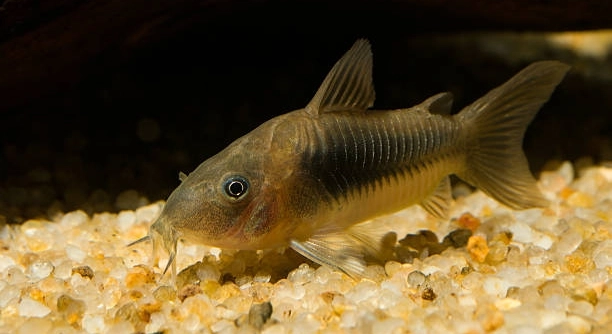
Corydoras catfish are known for their shy and nocturnal behavior, often spending most of their time hiding during the day. However, it’s possible to encourage them to swim more during daylight hours with a few simple adjustments to their environment.
To encourage Corydoras catfish to swim during the day, ensure they have a well-lit environment, stable water conditions, and proper tank mates. A spacious tank with hiding spots and a peaceful environment can help them feel secure enough to venture out.
By making small changes in their tank, you can help your Corydoras feel more comfortable swimming around during the day. These steps will encourage natural behavior and improve their overall well-being.
Provide Adequate Lighting
Lighting plays a significant role in encouraging your Corydoras catfish to swim during the day. These fish are naturally more active when there’s some light, but they don’t thrive under harsh lighting. The key is providing a balanced light source that mimics their natural habitat. Too much light can cause stress, and too little will keep them hiding. Aim for lighting that’s moderate but consistent.
A well-lit tank can mimic the light cycles of the day, which may help your Corydoras feel more comfortable swimming during daylight. Adjustable LED lights with a timer can provide a cycle of day and night, offering stability.
Experiment with the lighting intensity to see how your Corydoras respond. If you notice them becoming more active after some time under consistent lighting, it’s a good sign. Additionally, adding floating plants or decorations that cast soft shadows can provide enough cover to make them feel safe while exploring.
Keep the Water Conditions Stable
Temperature and water quality directly affect Corydoras’ behavior. Maintaining a steady water temperature and ensuring clean, well-oxygenated water is vital. Corydoras prefer a water temperature between 72–78°F (22–26°C), which should be maintained regularly.
Fluctuations in temperature or poor water quality can stress these fish and discourage them from swimming freely. Regular water changes, monitoring pH, and ensuring proper filtration will help maintain a stable environment. Clean water will also make them feel secure enough to swim around more during the day, as they won’t be hiding from potential toxins or pollutants.
Additionally, check for any sharp objects or decorations that could potentially harm your Corydoras. Smooth rocks or soft substrates help create a safe environment, encouraging your fish to swim more confidently. It’s important to keep their habitat as close to ideal as possible, so they can thrive and exhibit more natural daytime behaviors.
Choose Peaceful Tank Mates
The type of tank mates you keep can also influence your Corydoras’ daytime behavior. Corydoras are peaceful, bottom-dwelling fish that prefer the company of other non-aggressive species. If they’re in a tank with fast or aggressive fish, it can make them anxious and less likely to swim during the day.
When selecting tank mates, avoid species that are overly territorial or that may disrupt the peaceful nature of the tank. Species like tetras, gouramis, or other peaceful bottom dwellers can create a more relaxed environment for your Corydoras, allowing them to feel safe enough to explore.
Additionally, make sure your tank is large enough for everyone. Overcrowding can lead to stress, forcing your Corydoras to retreat to their hiding spots. A spacious environment with calm tank mates gives Corydoras the room they need to swim confidently and feel secure during the day.
Provide Hiding Spots and Spacious Tank Design
Corydoras catfish love having places to retreat to when they feel threatened. However, it’s essential to balance hiding spaces with open swimming areas. When they have places to hide, they feel more secure, which can encourage them to venture out and swim more during the day.
Adding plants, rocks, and caves provides your Corydoras with plenty of options for retreat when they need it. At the same time, leave open areas where they can swim freely. This combination can help them feel safe enough to be more active during the day. Too many hiding spots without enough swimming space can keep them in hiding longer than necessary.
An open tank design with plenty of room for them to move around helps your Corydoras build confidence in their environment. Make sure the tank is large enough to provide both shelter and open space, encouraging them to feel secure while swimming around in daylight hours.
Maintain a Regular Feeding Schedule
A consistent feeding routine can help your Corydoras feel more comfortable and active during the day. When they know food will arrive at regular intervals, it can reduce stress and encourage them to come out of hiding. Overfeeding, however, can lead to water quality issues and lethargy.
Feed your Corydoras small portions at the same time every day. Offering a variety of food such as sinking pellets, live or frozen foods, and occasional vegetables can keep them engaged and provide balanced nutrition. Keep track of their eating habits to avoid overfeeding, as that can negatively affect their energy levels and willingness to swim.
By sticking to a regular feeding schedule, your Corydoras will become more accustomed to a routine, which may help them feel more secure in the tank. A balanced diet is also essential to their health, giving them the strength to swim and interact during daylight hours.
Reduce Stress from Tank Changes
Frequent changes in the tank environment can cause stress, which may result in your Corydoras hiding more often during the day. Keep changes minimal and gradual, as sudden shifts in the tank’s layout or water conditions can make your fish feel uneasy. Stability is key.
When adjusting the tank, do so slowly to give your Corydoras time to adapt. Changing decorations or substrates all at once can be overwhelming. Additionally, consider making any changes during the night when the fish are already in their hiding spots. Keeping their environment as predictable as possible will help them feel secure and confident enough to swim more during the day.
Even small shifts, such as changing water flow or rearranging plants, can impact your fish. By being mindful of their needs and making changes slowly, your Corydoras will feel less stressed and more willing to explore their surroundings.
Monitor Tank Temperature
Maintaining a stable water temperature is crucial for Corydoras catfish. If the temperature fluctuates too much, they may feel stressed and prefer to stay hidden. Aim for a consistent temperature between 72–78°F (22–26°C) to ensure your Corydoras stay active and comfortable.
A tank heater with a thermostat can help maintain a steady temperature. Check the water regularly to ensure it doesn’t dip too low or rise too high. Stability is essential, as rapid changes in temperature can make your fish uneasy. If they’re comfortable with their surroundings, they’ll be more likely to swim during the day.
Use Gentle Water Flow
Corydoras prefer calm water that allows them to explore without being swept away. Strong currents or excessive water flow can stress your fish, keeping them hidden more often. Opt for a filter with adjustable flow settings to accommodate their needs.
Corydoras are bottom dwellers that prefer slow-moving waters. When the current is too strong, they may avoid swimming or become exhausted. Adjusting the filter’s flow rate ensures they have a peaceful environment, encouraging them to explore more freely. You can also add plants to reduce water movement in certain areas of the tank.
Add Natural Elements
Adding natural elements like smooth stones, plants, and driftwood can create a more natural environment that helps your Corydoras feel more secure. These additions give them hiding spots and give your tank a more appealing aesthetic.
Plants also serve as additional cover and help maintain water quality by absorbing excess nutrients. Creating a natural habitat where your Corydoras feel safe encourages them to swim out during the day. You don’t need to overdecorate—just enough to create an environment that mimics their natural habitat.
FAQ
Why do Corydoras catfish hide during the day?
Corydoras catfish are naturally nocturnal fish, meaning they are more active at night. They often hide during the day to rest and feel secure. In the wild, they stay close to the bottom of rivers and lakes, where they can easily retreat from potential threats. In an aquarium, they may feel safer in hiding, especially if they’re not fully acclimated or if there are disturbances like loud noises or aggressive tank mates. Providing hiding spots can help them feel more at ease, allowing them to venture out more during daylight hours.
How can I tell if my Corydoras is stressed?
Stress in Corydoras can be seen in several ways. If they swim erratically, breathe rapidly, or constantly hide, they may be stressed. Another sign is when they lose their natural coloring or become lethargic. If they stop eating or exhibit strange behaviors like rubbing against objects or hiding in corners, this could indicate stress. Stress can be caused by poor water conditions, aggressive tank mates, or abrupt changes in their environment. Regular monitoring of water quality and creating a peaceful habitat can help reduce stress levels in your Corydoras.
How often should I feed Corydoras catfish?
Corydoras should be fed small amounts once or twice a day. Overfeeding can lead to poor water quality and affect their health. A good rule is to only feed as much as they can eat in a few minutes. Their diet should consist of sinking pellets, which they can forage for, along with occasional live or frozen foods like bloodworms or brine shrimp. Adding small amounts of vegetables, such as blanched zucchini or peas, can also benefit their health. Adjust the feeding schedule based on their activity levels, but avoid excess food that could lead to water contamination.
Can Corydoras live with other fish?
Yes, Corydoras are peaceful fish and can live with other non-aggressive species. They do well in community tanks, especially when paired with other calm fish like tetras, guppies, and peaceful species. Corydoras prefer tank mates that don’t invade their space or bother them while they forage along the bottom of the tank. It’s important to avoid aggressive or overly large fish that may scare or stress your Corydoras. Always research any potential tank mates before introducing them to ensure compatibility and minimize conflict.
What is the ideal tank size for Corydoras catfish?
Corydoras are small, but they still require a spacious tank to thrive. A minimum of a 20-gallon tank is recommended for a small group of Corydoras, though larger tanks will be even better. A larger tank offers more space to swim, better water circulation, and greater stability in water parameters. Corydoras are social creatures, so it’s important to keep them in groups of at least 3-5 individuals. This group dynamic makes them feel more secure, which encourages them to swim more and engage in natural behaviors during the day.
What type of substrate is best for Corydoras catfish?
Corydoras prefer a soft, fine-gravel or sand substrate. They have sensitive barbels that they use to forage along the bottom of the tank, so rough or sharp substrates can irritate their barbels. Sand is often the best option because it allows them to sift through it naturally without causing damage. Ensure that the substrate is smooth and free from large, jagged pieces. Adding live plants or decorations that don’t have sharp edges can further reduce the risk of injury and provide a more comfortable environment for your Corydoras.
Why is my Corydoras catfish not swimming during the day?
If your Corydoras is not swimming during the day, it could be due to several factors. First, check the water temperature and quality—fluctuations in either can cause stress. Corydoras may also be hiding due to a lack of hiding spaces or stress from aggressive tank mates. Ensure that the tank has enough cover, such as plants or caves, to help them feel safe. If their tank mates are too aggressive or territorial, it may discourage them from swimming. A sudden change in the tank environment, like a new filter or rearranged decorations, can also cause temporary behavior changes.
Can Corydoras catfish eat live food?
Yes, Corydoras enjoy live food, and it can be a great addition to their diet. Live foods like brine shrimp, bloodworms, and daphnia are excellent sources of protein and nutrients. Offering live food occasionally can stimulate their natural hunting instincts and encourage more activity. However, live food should not be their primary diet. Always ensure that any live food is safe and free from parasites or chemicals that could harm your fish. It’s also important to only provide small amounts to prevent overfeeding and maintain water quality.
How do I make my Corydoras feel safe in the tank?
To make your Corydoras feel safe, create a peaceful and stable environment. Providing plenty of hiding spots, such as caves, plants, and smooth rocks, helps them feel secure. Corydoras are bottom dwellers, so having a soft substrate like sand or fine gravel is also important for their comfort. Avoid strong water currents and maintain stable water temperature and parameters to reduce stress. A consistent feeding schedule and a peaceful tank environment with non-aggressive fish will further ensure they feel safe enough to swim around more during the day.
What temperature should the water be for Corydoras catfish?
Corydoras catfish thrive in water temperatures between 72-78°F (22-26°C). Maintaining a steady temperature within this range is essential for their health and activity levels. If the water temperature fluctuates too much, it can stress your fish and cause them to hide or become lethargic. A reliable aquarium heater with a thermostat can help maintain the appropriate temperature. Regularly check the water temperature using an aquarium thermometer to ensure it remains stable. Consistent water conditions will help your Corydoras feel secure and more willing to swim during the day.
Final Thoughts
Encouraging your Corydoras catfish to swim during the day can take some time and patience, but it is possible with the right care. By creating a stable and secure environment, you can help your Corydoras feel comfortable enough to explore their tank. Lighting, water quality, and tank design all play a significant role in their behavior. When these factors are in balance, your fish will be more likely to swim during daylight hours, providing a better view of them and enhancing their overall well-being. It’s important to observe their behavior and adjust their surroundings based on their needs. Small changes like providing hiding spots, adjusting the water temperature, and choosing the right tank mates can make a big difference in their activity levels.
It’s also worth noting that every Corydoras catfish has its own personality. Some may naturally be more active during the day, while others prefer to stay hidden for longer periods. This is perfectly normal. What’s important is that you create a tank environment that allows them to feel safe and secure, whether they choose to swim around or rest in their hiding spots. The goal is not to force them to change their habits, but to encourage a more natural, stress-free routine where they feel comfortable engaging in daytime activities. Be patient with the process, as each Corydoras may adapt at their own pace.
Overall, providing a peaceful, stable, and well-maintained tank will ensure your Corydoras catfish have the best chance of becoming more active during the day. Pay attention to water quality, lighting, temperature, and tank mates, and make small adjustments when needed. By doing so, you’ll help create a comfortable and healthy environment that supports your fish’s natural behaviors. Corydoras are hardy, social fish, and with the right care, they can thrive and show their true personality, whether they swim at night or during the day.

Hello,
If you enjoy the content that we create, please consider saying a "Thank You!" by leaving a tip.
Every little bit helps us continue crafting quality advice that supports the health, happiness, and well-being of pets around the world, for pets of all shapes, sizes, and species.
We really appreciate the kindness and support that you show us!