
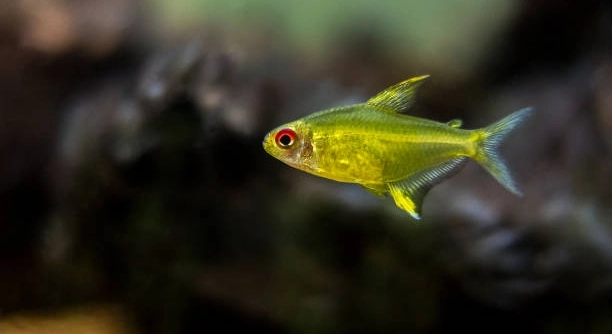
Lemon tetras are small, lively fish that brighten up any aquarium. Observing them can be calming, yet their sudden hovering in one spot may catch your attention and prompt concern about their behavior and well-being.
Lemon tetras hover in place primarily due to stress, water quality issues, or changes in their environment. Factors such as inadequate oxygen levels, improper temperature, or sudden movement in the tank can affect their stability and swimming patterns.
Understanding why your tetras behave this way can improve their health and comfort, ensuring a balanced and vibrant environment in your aquarium.
Common Reasons Lemon Tetras Hover in Place
Lemon tetras often hover due to stress caused by changes in their environment. Sudden movement, loud noises, or new additions to the tank can make them pause and stay in one spot. Poor water quality is another key factor. High ammonia, nitrite, or nitrate levels affect their ability to swim freely and maintain balance. Temperature fluctuations also play a role, as these fish are sensitive to water that is too warm or too cold. Even subtle shifts, such as adjusting the filter or rearranging decorations, can lead to hovering behavior. Health issues may contribute as well, including swim bladder problems or minor infections. Observing patterns in their behavior and maintaining consistent conditions helps identify the triggers. Feeding habits can influence movement, too. Uneaten food can decompose, impacting water quality and prompting the fish to stay in a safe spot. Consistency and careful monitoring are crucial for their well-being.
Maintaining stable tank conditions often resolves hovering quickly. Regular water checks prevent recurring stress.
Noticing when tetras hover can reveal subtle issues. Acting promptly ensures they remain active and healthy, avoiding further complications.
How to Improve Their Swimming Behavior
Adjusting tank conditions can help tetras regain natural movement.
Ensuring optimal water quality is essential for lemon tetras to swim confidently. Regular testing and partial water changes reduce harmful chemicals and stabilize parameters. Temperature should remain steady, ideally between 74°F and 78°F, as fluctuations cause stress and hovering. Introducing gentle filtration and minimizing sudden disturbances improves their comfort. Providing hiding spots with plants or decorations allows them to feel secure while encouraging movement around the tank. Proper nutrition also supports energy levels, as well-fed tetras swim more actively. Observing their interactions helps identify bullying or dominance issues among tank mates, which can cause some fish to pause frequently. Consistency in lighting, feeding, and environment reduces anxiety. Slowly acclimating them to any changes prevents sudden stress that triggers hovering. Over time, these adjustments improve overall tank harmony, promoting healthy swimming behavior and reducing the likelihood of repeated hovering episodes. Regular attention and careful care are key to keeping lemon tetras active and thriving.
Observing Tank Conditions
Regular observation helps detect early signs of stress in lemon tetras. Watching their swimming patterns, interactions, and hovering frequency gives insight into water quality and tank stability. Small changes, like cloudiness or debris, can indicate issues that affect their behavior, prompting timely action before problems worsen.
Keeping the tank clean and stable is essential for healthy tetras. Regular partial water changes remove waste and maintain balanced chemicals, while monitoring temperature prevents stress. Checking filter function ensures proper circulation and oxygenation. Decorations and plants provide secure spaces, reducing anxiety. Overfeeding can pollute water, so feeding controlled portions supports clarity and health. Stress from sudden disturbances, including tapping the glass or adding new fish, can make tetras hover. Observing subtle behavioral changes allows timely intervention, helping maintain a calm and consistent environment. Stability encourages natural swimming and reduces repetitive hovering.
Water parameters directly influence hovering behavior. High ammonia or nitrate levels irritate gills and disrupt buoyancy. Maintaining proper pH, temperature, and cleanliness supports active, confident movement. Subtle shifts in these conditions can make fish pause, so consistent monitoring is crucial. Plants, gentle filtration, and minimal disturbances create a stable environment, allowing tetras to swim freely without stress or hesitation.
Adjusting Diet and Feeding Habits
A balanced diet impacts activity levels in lemon tetras, reducing hovering tendencies.
Feeding small, frequent portions helps maintain energy and prevents uneaten food from polluting the tank. High-quality flakes or micro-pellets provide necessary nutrients, while occasional live or frozen foods support natural hunting instincts. Overfeeding leads to water quality issues, which can stress fish and cause them to hover. Maintaining a routine feeding schedule allows tetras to anticipate meals, promoting movement and reducing anxiety. Observing their response to different foods helps identify preferences and ensures all fish receive adequate nutrition. Treats should be limited, as sudden changes in diet can temporarily affect behavior and cause hovering. Combining proper nutrition with a stable environment enhances swimming activity and overall health, minimizing repeated pauses.
Identifying Stress Triggers
Changes in tank layout or lighting can cause lemon tetras to hover. Sudden movement around the aquarium or loud noises may startle them. Consistency in environment helps reduce anxiety and encourages normal swimming patterns, keeping them active and comfortable.
Tank mates also influence stress levels. Aggressive or overly dominant fish can intimidate lemon tetras, prompting them to pause frequently. Observing interactions allows you to address conflicts and maintain harmony in the aquarium.
Swim Bladder and Health Issues
Swim bladder problems can make tetras hover or struggle to maintain balance. Overfeeding, constipation, or infections may affect the swim bladder, causing difficulty swimming. Ensuring proper diet and monitoring behavior helps detect issues early. Quarantining sick fish prevents the spread of disease, while maintaining water quality supports recovery and normal activity. Regular observation is important to notice subtle changes in movement or posture. Treatment may include fasting for a day or two, adjusting feeding habits, or consulting a veterinarian experienced with aquarium fish. Healthy water conditions and attentive care often restore buoyancy and reduce hovering behavior over time.
Creating a Comfortable Environment
Adding plants and hiding spots reduces stress in lemon tetras. Providing secure areas encourages exploration and natural swimming, preventing prolonged hovering.
FAQ
Why are my lemon tetras hovering in one spot?
Lemon tetras often hover due to stress, changes in tank conditions, or health issues. Poor water quality, temperature fluctuations, or sudden disturbances can make them pause. Monitoring water parameters and tank activity helps identify causes, allowing adjustments to restore normal swimming behavior.
Can water quality affect their hovering?
Yes, water quality directly impacts their swimming. High ammonia, nitrite, or nitrate levels irritate gills and disrupt buoyancy. Regular testing, partial water changes, and proper filtration are essential. Clear, stable water encourages active movement and reduces hovering caused by environmental stress.
Could diet influence this behavior?
Diet plays a role. Overfeeding can pollute the tank, while insufficient nutrition affects energy and activity. Feeding small, balanced portions multiple times a day supports buoyancy and energy. Occasional live or frozen foods encourage natural movement and hunting instincts, reducing hovering.
Do tank mates impact their behavior?
Aggressive or territorial fish can intimidate lemon tetras, causing them to hover for safety. Observing interactions is important. Adjusting tank mates or providing hiding spots allows tetras to swim confidently and reduces stress-induced hovering.
Is hovering a sign of illness?
Hovering can indicate health issues, such as swim bladder problems or infections. Watch for additional signs like difficulty swimming, clamped fins, or loss of appetite. Addressing diet, water quality, and quarantining sick fish supports recovery. Consulting a veterinarian may be necessary for persistent issues.
How can I prevent hovering in the future?
Maintaining stable water parameters, a consistent feeding schedule, and a calm environment reduces stress. Adding plants, decorations, and hiding spots gives tetras secure areas. Avoid sudden changes in lighting or tank layout, and monitor interactions with tank mates. Consistent care promotes normal swimming behavior.
Does lighting affect their movement?
Yes, sudden changes in lighting or excessive brightness can startle tetras, causing hovering. Gradual adjustments, moderate lighting, and a day-night cycle support comfort. Providing shaded areas or plants allows them to feel safe and encourages active swimming.
How long does it take for them to resume normal swimming?
Recovery depends on the cause. Minor stress may resolve within hours to days after adjustments. Health issues may require longer observation and treatment. Ensuring proper diet, clean water, and a secure environment supports faster recovery and reduces repeated hovering.
Can tank size influence hovering?
Smaller or overcrowded tanks can increase stress and limit swimming space, leading to hovering. Providing adequate space per fish, proper filtration, and well-distributed hiding spots encourages movement. A balanced tank environment supports active, healthy tetras.
Are there any signs that require immediate action?
If hovering is accompanied by labored breathing, loss of appetite, or unusual swimming patterns, it may indicate serious illness or poor water quality. Prompt water testing, isolation of affected fish, and appropriate treatment are essential to prevent further complications and support recovery.
Does temperature fluctuation cause hovering?
Yes, lemon tetras are sensitive to temperature changes. Water that is too warm or cold can stress them, affecting buoyancy. Maintaining a steady temperature within the ideal range, around 74–78°F, minimizes stress and encourages normal swimming behavior.
Will adding more plants help?
Adding plants and decorations provides hiding spaces, reduces stress, and encourages exploration. Dense planting allows tetras to feel secure while swimming, preventing prolonged hovering. Live plants also help maintain water quality by absorbing nitrates and providing natural oxygenation.
How often should I check their behavior?
Daily observation is recommended. Noticing subtle changes, such as increased hovering or reduced activity, helps catch problems early. Consistent monitoring allows timely intervention, whether adjusting water conditions, diet, or tank layout, ensuring healthier, active tetras.
Is hovering normal sometimes?
Occasional hovering is normal, especially after feeding, during rest periods, or when adjusting to minor environmental changes. Persistent hovering or accompanied by other signs of stress or illness should be addressed promptly to prevent long-term issues.
Can stress from transportation affect them?
Yes, moving tetras or introducing them to a new tank can cause temporary hovering. Allowing time to acclimate, maintaining stable conditions, and avoiding sudden disturbances helps them adjust and resume normal swimming behavior naturally.
Does overcrowding increase hovering?
Overcrowding increases competition for space, oxygen, and resources. Tetras may hover to avoid conflicts or conserve energy. Ensuring proper stocking density, adequate filtration, and hiding spaces reduces stress and supports active, confident swimming.
Are there preventive measures for long-term comfort?
Maintaining consistent water parameters, providing a balanced diet, offering secure hiding spots, and minimizing disturbances are key preventive measures. Regular monitoring, gentle handling, and awareness of tank dynamics help reduce stress, supporting healthy activity and minimizing hovering behavior over time.
Can hovering indicate social issues?
Yes, tetras are schooling fish and rely on social interactions. Isolation, bullying, or imbalance in school size may cause hovering. Ensuring proper group size and compatible tank mates supports social stability and reduces stress-related hovering.
Does the time of day matter?
Lemon tetras may hover during low activity periods or rest phases. Maintaining a regular light cycle with gradual transitions between day and night promotes natural swimming rhythms, reducing unnecessary hovering while supporting overall health.
Are there temporary fixes for hovering?
Temporary fixes include providing extra hiding spots, adjusting lighting, or performing small water changes. These measures reduce immediate stress and encourage movement. However, addressing underlying causes, like water quality or health issues, is necessary for lasting improvement.
How important is acclimation for new fish?
Proper acclimation prevents stress-induced hovering. Gradually adjusting new tetras to water temperature, pH, and other parameters reduces shock. Drip acclimation or slow introduction allows them to explore the tank confidently, minimizing hovering during the transition period.
Final Thoughts
Lemon tetras are delicate and lively fish that respond quickly to their surroundings. Their hovering behavior often signals that something in the tank needs attention, whether it is stress, water quality, diet, or health concerns. Observing them closely is the first step to understanding why they pause and how to help them regain normal swimming patterns. Consistency in tank conditions, including temperature, lighting, and water parameters, is essential for their well-being. Small changes can have a noticeable effect, so taking care to maintain stability encourages confidence and activity in your tetras. By paying attention to their behavior, you can often detect issues before they become serious, ensuring a healthier and calmer aquarium environment.
Maintaining clean water is one of the most important factors in preventing hovering. Regular partial water changes, proper filtration, and monitoring chemical levels help maintain a safe environment for your tetras. Uneaten food and waste can accumulate quickly, causing stress and affecting their buoyancy. Feeding small, balanced portions and removing excess food prevents water contamination and keeps the fish active. Plants and decorations provide shelter and create a more natural setting, which also reduces anxiety. These environmental adjustments, combined with careful observation, help lemon tetras feel secure, reducing prolonged hovering. Stress from tank mates or sudden disturbances can also be minimized with thoughtful placement and group dynamics, ensuring all fish coexist peacefully.
Health is another key aspect to consider. Swim bladder issues, infections, or other illnesses can make tetras hover more frequently or struggle to swim. Paying attention to changes in movement, appetite, or posture allows for early intervention. Quarantining new or sick fish, adjusting their diet, and maintaining optimal water conditions support recovery and prevent further complications. Even minor adjustments in care can make a significant difference in restoring normal activity. Overall, creating a stable environment, feeding properly, and observing behavioral changes will ensure lemon tetras remain healthy, active, and comfortable in their aquarium. Regular care and attention reduce hovering episodes and promote a vibrant, balanced habitat where your tetras can thrive naturally.

Hello,
If you enjoy the content that we create, please consider saying a "Thank You!" by leaving a tip.
Every little bit helps us continue crafting quality advice that supports the health, happiness, and well-being of pets around the world, for pets of all shapes, sizes, and species.
We really appreciate the kindness and support that you show us!