
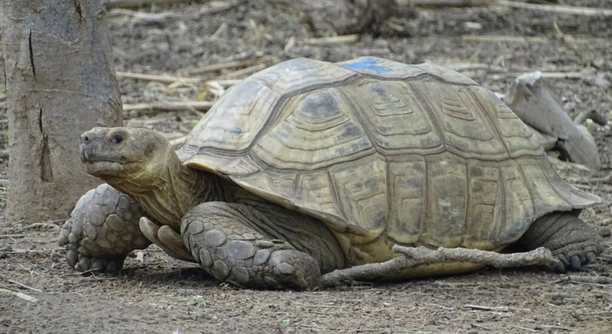
Proper digestion is key to maintaining the health and well-being of your sulcata tortoise. Ensuring that your pet’s digestive system functions well can help prevent many common health problems and ensure they thrive for years.
The health of your sulcata tortoise’s digestion can be improved by offering a balanced diet of fiber-rich foods, proper hydration, and regular exercise. Additionally, minimizing stress and maintaining a clean habitat are essential for optimal digestive health.
There are simple steps you can take to support your tortoise’s digestion and improve its overall quality of life. Keep reading to find out how.
1. Offer High-Quality, Fiber-Rich Foods
Providing your sulcata tortoise with the right foods is crucial for healthy digestion. Fiber-rich plants like hay, grass, and dandelion greens are essential. These foods help keep their digestive system moving smoothly and support proper bowel movements. Avoid high-calcium foods, as they can cause kidney issues over time. Stick to a variety of leafy greens and other safe vegetables to offer a balanced diet.
Feeding your tortoise these fiber-rich foods will help keep its digestive tract functioning properly. Additionally, make sure you’re offering the right portion sizes, as overeating can lead to discomfort.
A good balance of fiber and hydration helps prevent constipation and other digestive problems. Offering your tortoise fresh, pesticide-free plants is essential for keeping its digestion healthy. Over time, you will see improvements in your tortoise’s overall health, from a more active lifestyle to fewer digestive issues.
2. Ensure Proper Hydration
Water plays a key role in the digestion process. Ensure that your tortoise always has access to fresh water.
Dehydration can lead to sluggish digestion, and it’s important to hydrate your tortoise consistently. Regularly offering water in a shallow dish will encourage drinking. If your tortoise isn’t drinking enough, you can also offer water-soaked food or provide a gentle misting to help with hydration. A hydrated tortoise is a healthier tortoise.
3. Provide Adequate Space for Movement
Allowing your sulcata tortoise plenty of space to roam encourages exercise, which supports digestion. A spacious enclosure helps mimic their natural environment and promotes physical activity. A lack of room can lead to a sluggish metabolism and poor digestion.
Daily exercise helps maintain the tortoise’s digestive rhythm and prevents weight gain. Consider creating an outdoor space, if possible, where your tortoise can walk freely. If keeping them indoors, ensure they have enough room to roam around. Regular movement is an essential part of a healthy digestion process.
Providing space for movement will keep your tortoise more active and healthier overall. A well-exercised tortoise is less likely to experience digestive issues such as constipation.
4. Avoid Overfeeding
Overfeeding can stress your sulcata tortoise’s digestive system and lead to weight problems. You should give them the right portions of food based on their size and age.
It’s easy to give in and feed your tortoise extra food, but remember that moderation is key. Too much food, especially high-calcium plants, can cause digestive disturbances. Stick to recommended feeding schedules and avoid excess treats. Smaller, more frequent meals are better for their digestion than large amounts at once.
Overfeeding may seem harmless, but it disrupts digestion and can lead to long-term health issues. Aim to keep their diet balanced and portion-controlled to maintain a healthy digestive system.
5. Keep the Habitat Clean
A clean habitat is essential for healthy digestion. Make sure your tortoise’s living space is free from waste and bacteria, which can cause infections and digestive problems. Regularly clean their enclosure, especially areas where they eat and drink.
Sanitizing the habitat ensures that your sulcata tortoise is not exposed to harmful bacteria or mold. Dirty environments can cause stress, affecting their overall health and digestion. Cleaning their enclosure weekly or biweekly will maintain a healthy and safe space for your tortoise to thrive.
Keep food and water dishes clean to prevent contamination, which can upset your tortoise’s stomach. Regular cleaning contributes to the overall well-being of your tortoise.
6. Provide Digestive Supplements
Some tortoises may benefit from digestive supplements, especially if they are prone to digestive issues. Supplements such as probiotics or fiber may help enhance digestion.
Probiotics can encourage healthy gut bacteria, aiding digestion and nutrient absorption. If your tortoise seems to struggle with digestion, consult with a vet about adding a supplement to its diet. However, it’s important not to overuse supplements as they should complement a healthy diet, not replace it. Always follow professional guidance for safe use.
Supplements can provide additional support for digestion, but they should never be relied on as the main solution. A balanced diet and proper care should always be your first priority.
FAQ
How can I tell if my sulcata tortoise is having digestion problems?
Signs of digestion problems in sulcata tortoises include lethargy, a lack of appetite, constipation, and abnormal droppings. If your tortoise is not moving much or seems sluggish, it could indicate digestive issues. Similarly, if they are not eating regularly or their stools are irregular, it’s time to investigate further.
You should also pay attention to how much water your tortoise is drinking. If it’s not drinking enough, dehydration could be affecting digestion. A visit to the vet may be needed if symptoms persist, to rule out more serious health concerns.
What are the best foods for a sulcata tortoise to aid digestion?
High-fiber foods are essential for good digestion. Offer your tortoise a variety of leafy greens such as dandelion greens, collard greens, and mustard greens. You can also provide hay, grasses, and cactus pads. These foods help keep the digestive system moving and prevent constipation.
Avoid feeding your tortoise high-calcium foods such as kale and spinach too often, as excessive calcium can cause kidney problems. Offering a balanced diet with plenty of fiber, and limiting sugary fruits, will support digestion and overall health.
Can my sulcata tortoise eat fruits?
While fruits are not a primary food for sulcata tortoises, they can be given in moderation. Safe fruits like strawberries, melon, and papaya can provide some variety in their diet. However, due to their high sugar content, fruits should not make up more than 10-15% of their diet.
Overfeeding fruits can lead to digestive upset, so they should be treated as an occasional treat. When introducing fruit, always monitor your tortoise for any changes in digestion, and remember that fiber-rich greens should remain the main part of their diet.
How often should I feed my sulcata tortoise?
Feeding frequency varies depending on the tortoise’s age. Young sulcatas need to be fed daily, while adults can be fed every other day or even less frequently. It’s important to provide enough food for them to graze and fill their stomachs but avoid overfeeding.
Daily feedings should include fiber-rich foods like hay and greens. As tortoises get older, their metabolic rate slows, so reducing their food intake helps prevent obesity and supports a healthier digestive system. Always adjust portions based on your tortoise’s size and health.
Is it necessary to provide a basking area for my sulcata tortoise to help with digestion?
Yes, a basking area is crucial for a sulcata tortoise’s overall health, including digestion. They need warmth to help process food efficiently. A basking spot with a temperature of around 95°F (35°C) will help your tortoise digest its meals properly.
Inadequate heat can lead to slow digestion, causing discomfort or constipation. Providing a temperature gradient in the enclosure allows your tortoise to regulate its body temperature, improving digestion and overall well-being.
Should I worry about my sulcata tortoise not drinking enough water?
Hydration is crucial for digestion. If your sulcata tortoise isn’t drinking enough water, it can suffer from dehydration, leading to slow digestion and potential kidney problems. It’s important to provide fresh water daily, especially if your tortoise is housed in a dry environment.
If your tortoise isn’t drinking on its own, try soaking it in shallow water for 15-20 minutes a few times a week. You can also add water-soaked food to their diet, such as wet greens or edible flowers. Make sure to watch for signs of dehydration, such as dry skin or lethargy.
How do I prevent my sulcata tortoise from becoming overweight?
Overfeeding and lack of exercise can lead to obesity in sulcata tortoises. To prevent this, make sure you’re feeding them the right portion sizes. Use a variety of high-fiber plants and limit treats. Stick to a feeding schedule and avoid overfeeding.
It’s also important to provide space for your tortoise to move around. Regular exercise helps burn off excess calories, supporting digestion and maintaining a healthy weight. Monitor their weight regularly and consult a vet if you notice any sudden changes.
Can stress affect my sulcata tortoise’s digestion?
Yes, stress can have a significant impact on your sulcata tortoise’s digestion. Stressful environments, such as overcrowded spaces or changes in their routine, can slow down digestion and even cause loss of appetite.
To minimize stress, provide a stable environment. Keep the temperature, humidity, and food consistent. Avoid handling your tortoise excessively, especially during feeding times. If your tortoise seems stressed or exhibits unusual behaviors, check for changes in its environment that could be causing the issue.
What should I do if my sulcata tortoise becomes constipated?
If your tortoise becomes constipated, first try soaking it in warm water for 20-30 minutes. This can help encourage bowel movements by softening the waste. You can also try adding more fiber-rich foods to their diet or increasing hydration.
If the constipation persists, it’s best to consult a vet. Long-term constipation can lead to more serious issues, so seeking professional help is important to avoid further complications.
Is it safe to give my sulcata tortoise digestive supplements?
Digestive supplements can be beneficial for sulcata tortoises, especially if they experience regular digestive issues. Probiotics or fiber supplements can support gut health and improve digestion. However, supplements should not replace a balanced diet.
Always consult with a veterinarian before adding supplements to your tortoise’s diet. Overuse can lead to imbalances, so only use them as directed by a professional to ensure they are beneficial without causing harm.
Final Thoughts
Ensuring good digestion for your sulcata tortoise is vital for its overall health. By providing a balanced diet, proper hydration, and the right temperature conditions, you can support their digestive system and prevent potential issues. Regular monitoring of their food intake and behavior will help you spot early signs of digestive problems. Healthy digestion is not just about what your tortoise eats but how well it can process food and absorb the nutrients it needs.
It’s also essential to be mindful of your tortoise’s environment. A stable habitat with proper temperature gradients, humidity levels, and enough space for movement all play a role in keeping digestion smooth. Stress can negatively impact digestion, so creating a calm and predictable routine can reduce the chances of digestive upset. Ensuring your tortoise has access to areas where it can bask in warmth will also help keep its digestive system functioning properly.
While it may take some time to figure out what works best for your sulcata tortoise, being proactive with their care and paying attention to their diet, hydration, and environment will pay off in the long run. Regular vet checkups are important to catch any potential health problems early, including digestive concerns. By keeping these factors in mind, your tortoise can live a long, healthy life with a well-functioning digestive system.

Hello,
If you enjoy the content that we create, please consider saying a "Thank You!" by leaving a tip.
Every little bit helps us continue crafting quality advice that supports the health, happiness, and well-being of pets around the world, for pets of all shapes, sizes, and species.
We really appreciate the kindness and support that you show us!