
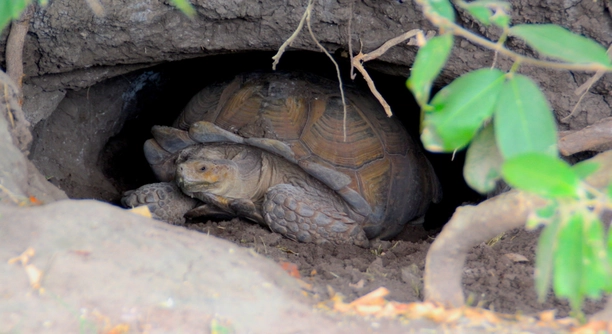
Sulcata tortoises are known for their curious nature, often displaying behaviors like trying to climb over rocks. Understanding why your tortoise is engaging in this action can help ensure it remains healthy and content in its environment.
The primary reason for climbing behavior in sulcata tortoises is their natural instinct to explore and test boundaries. These tortoises are highly active and often climb objects as part of their effort to search for food or new areas to roam.
Recognizing the cause behind this behavior allows for better management of your tortoise’s enclosure and ensures a safe, enriching environment.
Natural Instincts at Play
Sulcata tortoises are naturally curious animals. In the wild, they roam large areas in search of food, shelter, and new experiences. This exploration instinct is often seen in captivity, where they try to climb over rocks, walls, or even their enclosures. These behaviors are part of their drive to explore and test their environment. In nature, climbing could help them find food or escape from potential threats. While climbing can be harmless, it’s important to recognize that this behavior may indicate a need for more space or stimulation.
Sometimes, sulcata tortoises climb because they are looking for a way to escape. If they feel restricted or confined, they may try to scale obstacles to explore new areas. Providing ample room and enriching their environment with various textures and hiding spots can help reduce this behavior.
Keeping your sulcata tortoise stimulated is key to managing its climbing. Using different surfaces like rocks, branches, or logs allows your tortoise to satisfy its natural climbing instincts safely without trying to escape. A variety of objects in its enclosure helps mimic its natural habitat, promoting its mental well-being.
Enclosure Size and Layout
Sometimes, climbing behavior can be tied to the size and layout of the tortoise’s enclosure. Sulcata tortoises need plenty of space to roam, especially as they grow larger. A cramped environment can lead to frustration and increased climbing attempts.
A larger, more varied enclosure with areas for the tortoise to explore will reduce the likelihood of excessive climbing.
Boredom and Lack of Stimulation
When sulcata tortoises don’t have enough to do, they may start climbing or displaying other repetitive behaviors. A lack of mental stimulation can lead to this. Without things to explore, climb, or interact with, they may try to escape in search of something to engage with.
Providing a variety of textures, objects, and areas for your tortoise to explore helps prevent this. Adding things like rocks, logs, and plants can satisfy their natural curiosity. A simple change in their environment can significantly reduce climbing attempts. Tortoises are intelligent creatures and need more than just space—they need to be mentally active.
Enrichment should go beyond objects. Consider hiding their food or using puzzle feeders. This encourages foraging and exploration, mimicking natural behaviors. The more stimulation they get, the less likely they’ll feel the need to climb. Small changes can make a big difference in reducing climbing attempts and improving their well-being.
Temperature and Comfort Levels
Your tortoise’s climbing might be related to temperature. If it feels too cold or too warm, it may attempt to climb to find a better spot. Temperature plays a huge role in their comfort and overall behavior.
Maintaining an appropriate temperature gradient within the enclosure is important. Sulcata tortoises thrive in environments with a basking spot of 95–100°F and a cooler area of around 75°F. If they feel uncomfortable, they may climb in search of better conditions. Monitoring temperature regularly is essential to avoid these discomfort-driven behaviors. Proper heat lamps and UVB lighting should be in place to support both their physical health and behavioral needs.
Health Issues and Climbing
Climbing can sometimes be a sign of underlying health issues. If your tortoise is feeling unwell or uncomfortable, it may exhibit abnormal behavior like trying to climb. Pain or stress can trigger this response.
If climbing persists, check for signs of injury or illness. Seek professional care if needed to rule out any health problems. Keeping track of any changes in behavior can help catch potential issues early.
Stress from Overcrowding
Overcrowding can stress your sulcata tortoise and cause it to try climbing. If there are too many animals in the enclosure, your tortoise might feel unsafe or overwhelmed.
Providing ample space for each tortoise reduces stress and helps manage climbing behavior. If multiple tortoises share an enclosure, ensure there’s enough room for everyone to feel comfortable and secure.
FAQ
Why does my sulcata tortoise climb over rocks?
Climbing over rocks is a natural behavior for sulcata tortoises. It’s their way of exploring and testing boundaries in their environment. In the wild, they often climb in search of food, shelter, or new territories. In captivity, they may exhibit similar behaviors when feeling restricted or curious about their surroundings. This behavior is harmless but can also indicate that your tortoise is looking for more stimulation or space in its enclosure.
Is climbing harmful to my sulcata tortoise?
Climbing itself isn’t harmful, but it can become problematic if your tortoise is trying to escape or if it’s climbing on unsafe surfaces. Over-exerting itself with excessive climbing can also lead to injury. Ensure that the rocks and objects in the enclosure are safe and stable to prevent any potential accidents. Also, if climbing is linked to discomfort or stress, it’s important to address the underlying issue.
How can I prevent my sulcata tortoise from climbing?
To prevent your tortoise from climbing excessively, provide enough space and stimulation in its enclosure. Adding various objects like logs, rocks, and plants encourages natural behavior and exploration, reducing the need to climb. Ensuring the enclosure is large enough and comfortable will also help. Lastly, be mindful of temperature and humidity levels, as these can also affect your tortoise’s behavior.
Does my sulcata tortoise need a bigger enclosure?
If your tortoise is frequently climbing, it could be a sign that it needs more space. Sulcata tortoises grow large and need ample room to roam. A cramped environment can lead to frustration and climbing. Make sure the enclosure is large enough to allow for movement, basking, and exploration without the need to climb over barriers.
Can stress cause my sulcata tortoise to climb more?
Yes, stress can lead to more climbing. If your tortoise feels threatened or overcrowded, it may try to climb to escape or find a more comfortable space. Stressors such as a lack of hiding spots, improper temperature, or too many animals in the enclosure can trigger this behavior. Reducing stressors and providing a secure, comfortable environment can help reduce climbing.
Should I be concerned if my tortoise is climbing excessively?
Excessive climbing can be a sign of stress, boredom, or an inadequate environment. If your tortoise is climbing more than usual, take a look at the setup in its enclosure. Is it large enough? Does it have enough places to hide or explore? Are there stressors such as noise or overcrowding? If the behavior doesn’t improve with adjustments, consult a veterinarian to rule out any health issues.
What can I do if my tortoise is trying to escape the enclosure?
If your tortoise is climbing to escape, it’s important to ensure the enclosure is secure. Check for any gaps or weaknesses in the barriers. Escape attempts often happen when a tortoise feels confined or is looking for a better place to roam. In addition, providing more space and stimulation within the enclosure can help alleviate the urge to escape.
How can I tell if my tortoise is climbing because of discomfort?
If your tortoise is climbing because it’s uncomfortable, you might notice other signs, such as lethargy, lack of appetite, or unusual behavior. Check for injuries or signs of illness, and ensure the temperature and humidity levels are appropriate. If climbing seems to be accompanied by these symptoms, it may be time to visit a veterinarian.
Can overcrowding cause climbing in sulcata tortoises?
Yes, overcrowding can lead to stress and increased climbing. If there are too many tortoises in one enclosure, they may compete for space, food, and basking spots, which can cause stress. This stress may lead to climbing as they try to escape or find a quieter space. Ensuring each tortoise has enough room and providing adequate resources can help reduce overcrowding-related climbing.
Is it okay to add more climbing objects to the enclosure?
Yes, adding more climbing objects can be beneficial, but be mindful of the type and placement. Ensure that the rocks, logs, or branches are sturdy and safe for your tortoise. Naturalistic objects that mimic the outdoors are ideal, as they encourage healthy exploration and climbing without making the tortoise feel trapped or stressed.
Why is my tortoise climbing even with plenty of space?
If your tortoise is still climbing despite having enough space, it could be due to boredom or the need for more enrichment. Sulcata tortoises are naturally curious and need stimulation to stay engaged. Adding objects to climb, hide, or forage in will keep them busy. If the behavior persists, ensure that other factors, like temperature and health, are optimal.
How can I tell if my tortoise is climbing out of curiosity?
Curiosity-driven climbing is typically characterized by your tortoise’s willingness to explore its surroundings. If it climbs in search of new areas to investigate, it may show signs of curiosity by stopping to observe or sniff the area. A tortoise that is climbing out of boredom or stress will usually do so repetitively without engaging with the environment.
Can temperature affect my sulcata tortoise’s climbing behavior?
Yes, temperature can affect a sulcata tortoise’s climbing behavior. If the enclosure is too hot or cold, your tortoise may try to climb to find a more comfortable spot. Maintaining a proper temperature gradient is crucial to keeping your tortoise comfortable and reducing stress. Make sure the basking area is warm enough, and provide a cooler area where your tortoise can retreat when needed.
Final Thoughts
Sulcata tortoises are naturally curious animals that often engage in climbing behavior as part of their exploration. This is a normal part of their activity, especially if they are in an environment that mimics their natural habitat. In the wild, climbing helps them navigate the terrain, search for food, and find shelter. While climbing may seem unusual or concerning, it’s typically a sign that your tortoise is simply testing its surroundings. As long as your tortoise is in good health and the environment is safe, this behavior is nothing to worry about.
However, climbing can also be a sign that something in your tortoise’s environment isn’t quite right. If your tortoise is trying to climb in excess or seems frustrated, it might be a sign of stress. Common causes of stress include overcrowding, inadequate space, or poor temperature and humidity control. Make sure your tortoise has plenty of room to roam, as well as areas to climb that are safe and stable. If climbing seems to be linked to an issue like discomfort or stress, it’s important to address these factors. It might also be helpful to add more enrichment to the enclosure, such as logs, plants, and hiding spots, to give your tortoise a chance to explore without feeling the need to climb over rocks or walls.
Finally, while climbing can be a normal behavior, it’s always best to keep a close eye on your tortoise. If the climbing behavior continues or if you notice other concerning signs, such as a lack of appetite, lethargy, or signs of injury, it’s a good idea to consult a veterinarian. Regular check-ups and proper care can ensure that your tortoise stays healthy and happy. With the right environment, your sulcata tortoise can live a long and fulfilling life without the need to climb excessively.

Hello,
If you enjoy the content that we create, please consider saying a "Thank You!" by leaving a tip.
Every little bit helps us continue crafting quality advice that supports the health, happiness, and well-being of pets around the world, for pets of all shapes, sizes, and species.
We really appreciate the kindness and support that you show us!