
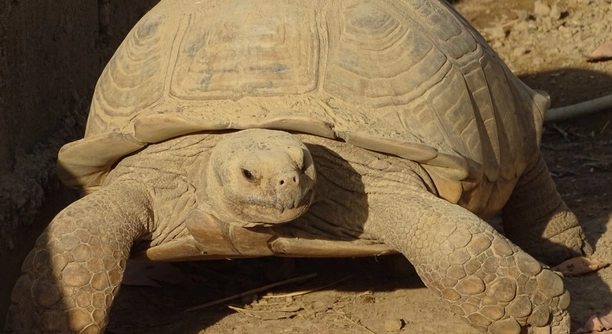
Sulcata tortoises are herbivores, and their diet consists of various greens. However, not all greens are suitable for them. It’s important to understand what types of greens can contribute to their overall health and well-being.
Sulcata tortoises can eat lettuce, but it should be offered sparingly. Lettuce is low in nutrients and may not provide the variety and vitamins needed for a balanced diet. It’s best to focus on nutrient-rich greens like dandelion greens or collard greens.
Choosing the right greens for your tortoise will help support its long-term health. We’ll cover the best options for providing a well-rounded, nutritious diet.
What Lettuce Can Do for Sulcata Tortoises
Lettuce, especially iceberg lettuce, lacks many essential nutrients, making it less ideal for Sulcata tortoises. While it won’t harm them in small amounts, it’s not a great choice for their regular diet. Lettuce offers little nutritional value and may not help in their growth or health over time. It’s mostly made up of water, which can be hydrating but doesn’t provide the vitamins and minerals they need to thrive.
Instead of lettuce, try adding more dark, leafy greens. Dandelion greens, collard greens, and mustard greens provide much-needed nutrients like calcium, fiber, and vitamins. These will give your tortoise a more balanced diet. Offering a variety of high-quality greens helps keep your pet healthy and happy.
Keeping your Sulcata tortoise on a diet of low-nutrient greens like lettuce can lead to deficiencies in their diet, making it harder for them to stay healthy. It’s important to adjust their meals for the best possible care.
Best Greens for Sulcata Tortoises
Leafy greens like dandelion greens, collard greens, and kale are great choices. They offer a balance of calcium, fiber, and vitamins. Sulcata tortoises can also eat cactus pads, hibiscus leaves, and various grasses. All of these are high in nutrients, unlike lettuce, and provide the necessary components to help your tortoise stay healthy. If you’re unsure, consult with a vet to ensure the diet you’re offering is well-suited to your tortoise’s needs.
In the wild, Sulcata tortoises eat a wide variety of plants, mainly grasses and weeds. You can mimic this by providing different types of greens every day, ensuring they receive enough variety. Tortoises benefit from diversity in their diet, and it prevents them from becoming picky eaters. You can also add a bit of flowers, such as hibiscus or dandelions, for added nutrition.
If you’re concerned about offering the wrong greens, stick to the safer options. Dandelion greens, collard greens, and grasses are easy to find at pet stores and local markets. Offering these regularly will ensure your tortoise’s health is maintained over time.
Nutritional Value of Greens for Sulcata Tortoises
The greens you provide to your Sulcata tortoise should be high in fiber, calcium, and vitamins A and C. These nutrients support their digestion, bone health, and immune system. Proper nutrition is essential for preventing shell deformities and other health issues that can arise from a poor diet.
Dandelion greens are among the best choices. They’re high in calcium, which is vital for the tortoise’s bone health. Collard greens and mustard greens are also rich in calcium and fiber, helping with digestion. Offering a mix of these greens will ensure a more balanced intake of nutrients. It’s important to avoid high-oxalate greens like spinach, which can interfere with calcium absorption.
Vitamins like A and C are crucial for a healthy immune system and skin. Providing greens with plenty of these vitamins helps keep your Sulcata tortoise active and healthy. Always ensure that the greens you offer are fresh and pesticide-free for maximum benefits.
Avoiding Harmful Greens for Sulcata Tortoises
Some greens, while seemingly healthy, can be harmful to Sulcata tortoises. Iceberg lettuce is one of them. It lacks the necessary nutrients and can cause digestive issues if fed in excess. Avoiding it will ensure your tortoise gets the right nutrition.
Other harmful greens include cabbage and lettuce varieties that are high in water content and low in fiber. These should be offered sparingly, if at all. If you’re ever unsure about a particular green, check with a vet. They’ll provide guidance on which greens are safest for your tortoise.
While it’s tempting to give your tortoise a variety of vegetables, certain greens can be harmful. Stick to those that provide the most nutrients. Focus on dark, leafy greens that contain higher levels of vitamins, calcium, and fiber, and always remember variety is key.
Supplementing Your Sulcata Tortoise’s Diet
In addition to greens, your Sulcata tortoise may benefit from occasional supplements. Calcium is essential for strong bones, and adding it to their diet can prevent metabolic bone disease. You can find calcium supplements designed for tortoises, usually in the form of powder or cuttlebone.
If you’re using supplements, be careful not to overdo it. Too much calcium can lead to kidney problems or shell deformities. It’s best to offer supplements sparingly and always follow the instructions on the packaging. A varied diet with high-quality greens should naturally meet most of your tortoise’s needs.
When providing supplements, always prioritize fresh greens and avoid relying solely on them. A proper diet with plenty of variety is the best way to ensure your Sulcata tortoise remains healthy.
Hydration and Water Needs
Hydration is just as important as a balanced diet. Sulcata tortoises tend to get most of their hydration from the greens they eat, but it’s essential to provide fresh water daily. A shallow dish that allows easy access is best.
Keep an eye on the water level, making sure it’s clean and changed regularly. If your tortoise is dehydrated, it may become lethargic or lose its appetite. Proper hydration supports digestion, skin health, and overall well-being.
Common Feeding Mistakes
Feeding your Sulcata tortoise the wrong foods can lead to health issues. Overfeeding high-water-content greens like lettuce can lead to diarrhea, while too many fruits can cause digestive upset. Avoiding these mistakes ensures your tortoise gets the right nutrients.
Being mindful of portion sizes is key. Offering smaller amounts of food more often can help maintain a healthy digestive system. It’s best to monitor your tortoise’s health regularly and adjust its diet based on its age, size, and activity level.
FAQ
Can Sulcata tortoises eat iceberg lettuce?
Iceberg lettuce is not ideal for Sulcata tortoises. It’s low in nutrients and offers little to no benefit for their health. While it won’t harm them if consumed in small amounts, it should not be a staple in their diet. Stick to more nutrient-dense greens like dandelion or collard greens.
What are the best greens for Sulcata tortoises?
The best greens for Sulcata tortoises include dandelion greens, collard greens, mustard greens, and turnip greens. These are rich in calcium, fiber, and essential vitamins. Providing a variety of these greens ensures they get the necessary nutrients for strong bones, digestion, and overall health.
Can Sulcata tortoises eat kale?
Yes, Sulcata tortoises can eat kale in moderation. Kale is packed with nutrients like calcium and vitamin C, but it’s also high in oxalates, which can interfere with calcium absorption if fed in excess. Rotate kale with other greens for a balanced diet.
How often should I feed my Sulcata tortoise?
Feed your Sulcata tortoise daily, but make sure to provide enough variety. They should have fresh greens available at all times. Adjust the amount of food based on your tortoise’s size and activity level. Ensure that they have access to fresh water throughout the day.
Can Sulcata tortoises eat fruit?
Fruits should be offered sparingly to Sulcata tortoises. While some fruits like strawberries and melon can be given occasionally as a treat, they should not be a regular part of their diet. Too much fruit can lead to digestive upset and imbalance in their diet.
Is it safe to feed Sulcata tortoises flowers?
Yes, Sulcata tortoises can eat certain flowers like hibiscus, dandelions, and nasturtiums. Flowers are a great addition to their diet, as they provide variety and extra nutrients. Always make sure the flowers are pesticide-free and safe for tortoises before offering them.
Can Sulcata tortoises eat spinach?
Spinach contains high levels of oxalates, which can bind to calcium and prevent its absorption. While small amounts of spinach won’t harm your Sulcata tortoise, it shouldn’t be fed regularly. It’s better to offer safer, calcium-rich greens like dandelion and collard greens.
How can I ensure my Sulcata tortoise is getting enough calcium?
To ensure your Sulcata tortoise gets enough calcium, offer a variety of high-calcium greens like dandelion greens and collard greens. You can also add a calcium supplement, such as a cuttlebone or powdered calcium, to their diet once or twice a week. Avoid feeding them high-oxalate greens, which can interfere with calcium absorption.
What foods should I avoid feeding my Sulcata tortoise?
Avoid feeding your Sulcata tortoise foods high in water content, like iceberg lettuce, as well as fruits, dairy, and processed foods. Also, steer clear of feeding them foods that are high in oxalates, such as spinach and beet greens, which can cause calcium issues. Always research foods before offering them.
How much should I feed my Sulcata tortoise daily?
The amount you should feed your Sulcata tortoise depends on its age and size. Generally, they should be fed a variety of leafy greens daily, providing about 1 to 2 times the size of their shell in food. Younger tortoises may need more food due to their growth.
Can Sulcata tortoises eat clover?
Yes, Sulcata tortoises can eat clover. It’s high in calcium and fiber, making it a great option for their diet. However, avoid clover from areas that may have been treated with pesticides or chemicals, as these can be harmful to your tortoise.
What are the signs of an unhealthy diet in Sulcata tortoises?
Signs of an unhealthy diet in Sulcata tortoises include weight loss, lethargy, abnormal shell growth, soft shells, and digestive problems. If your tortoise is showing any of these signs, it may be a result of nutritional deficiencies. Review their diet and consult a vet for guidance.
Can Sulcata tortoises eat cactus pads?
Yes, Sulcata tortoises can eat cactus pads. Cactus pads are a good source of water and fiber. Just be sure to remove the spines before feeding them to your tortoise. Cactus pads can be a great addition to their diet, offering variety and hydration.
Is it okay to feed Sulcata tortoises grass?
Grass is one of the best food sources for Sulcata tortoises. In the wild, they eat large amounts of grass, and it’s a great source of fiber. Grass should be offered regularly and can make up a large portion of their diet. Just be sure it’s pesticide-free.
How do I prevent my Sulcata tortoise from getting too much fat?
To prevent your Sulcata tortoise from getting too much fat, avoid feeding high-fat foods like certain fruits and flowers in large amounts. Stick to a diet that’s primarily based on high-fiber, low-fat greens and grasses. Monitor their weight and adjust food portions accordingly.
Can Sulcata tortoises eat broccoli?
Broccoli is safe for Sulcata tortoises in small amounts, but it’s not ideal for regular feeding. It contains goitrogens, which can interfere with thyroid function in large quantities. Feed broccoli as an occasional treat, not a staple of their diet.
Can Sulcata tortoises eat zucchini?
Zucchini is safe for Sulcata tortoises and can be offered occasionally. It’s high in water content and low in nutrients, so it should not replace the greens they need. Zucchini can add variety but should be fed in moderation alongside other, more nutrient-dense foods.
How can I make sure my Sulcata tortoise is eating enough fiber?
To make sure your Sulcata tortoise is getting enough fiber, focus on offering high-fiber greens such as grasses, dandelion greens, and hay. These are essential for good digestion and help keep their digestive system running smoothly. Fiber also plays a key role in preventing obesity and other health problems.
Final Thoughts
Caring for a Sulcata tortoise involves providing a balanced, varied diet that supports their overall health. While it may be tempting to offer your tortoise a variety of vegetables and fruits, it’s important to remember that their digestive system thrives on high-fiber, calcium-rich greens and grasses. Choosing the right foods, such as dandelion greens, collard greens, and certain types of flowers, ensures they get the nutrients they need to grow strong and stay healthy. Avoiding iceberg lettuce, spinach, and high-oxalate foods is key to preventing nutritional imbalances that can lead to long-term health issues.
Another important aspect of caring for a Sulcata tortoise is offering the right amount of food. Overfeeding, especially with foods that are high in water content or sugar, can lead to digestive issues and obesity. On the other hand, underfeeding can result in malnutrition, causing growth problems and weakening their immune system. Adjusting their diet as they grow and monitoring their weight will help you find the right balance. Always provide fresh water and ensure that they have access to outdoor space, as sunlight and exercise also contribute to their health.
In conclusion, keeping your Sulcata tortoise healthy requires careful attention to their diet and overall well-being. Regularly providing a variety of safe, nutrient-rich foods will help them live a long, healthy life. By understanding what they can and cannot eat, and following best practices for their care, you will be setting your tortoise up for success.

Hello,
If you enjoy the content that we create, please consider saying a "Thank You!" by leaving a tip.
Every little bit helps us continue crafting quality advice that supports the health, happiness, and well-being of pets around the world, for pets of all shapes, sizes, and species.
We really appreciate the kindness and support that you show us!