
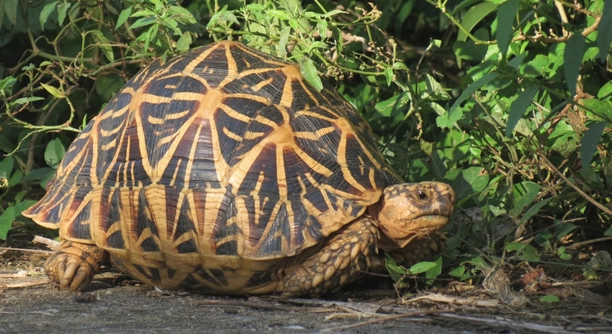
Indian Star Tortoises are fascinating creatures, known for their beautiful shells and calm demeanor. However, sometimes their digging behavior can become excessive or problematic. Understanding how to manage this behavior is key to their well-being.
Improving your Indian Star Tortoise’s digging behavior involves understanding its needs and adjusting its environment. Providing a suitable substrate, maintaining proper humidity, and offering enrichment can significantly reduce unwanted digging. Behavioral training may also help.
Proper adjustments to their habitat can lead to better behavior and happier tortoises. The following tips will guide you in creating the ideal environment for your pet’s well-being.
Create the Right Substrate
Indian Star Tortoises need a soft but firm surface to dig in. A good substrate will allow them to dig without causing stress or harm. Choose materials like coconut coir, organic soil, or shredded leaves. These provide comfort and mimic their natural environment, making them feel secure. Avoid sand, as it can lead to impaction if ingested. The substrate should be deep enough for digging but not too deep to cause danger. It’s important to change it regularly to keep the habitat clean. A proper substrate helps your tortoise express its natural behavior, while also preventing unnecessary digging out of discomfort.
The right substrate should balance comfort and safety. Look for moisture-retaining materials to maintain humidity. This helps prevent dry skin or respiratory problems.
Adding a few rocks or logs to the substrate will offer your tortoise different textures to interact with. This can reduce boredom and make your tortoise less likely to dig excessively. Try layering different materials to create a variety of surfaces. This will simulate a more natural environment, giving your tortoise an enriching space to explore. Keep the substrate moist, but not wet. A good balance will make your tortoise feel more at home.
Control Humidity and Temperature
Humidity and temperature directly affect your tortoise’s behavior. The enclosure needs a warm side and a cooler side to give your pet choices. Proper humidity helps with shedding and digestion, which reduces stress.
To maintain the right balance, use a thermometer and hygrometer. Adjust the temperature to about 85-90°F during the day, and keep it cooler at night.
Humidity should be around 50-70% for Indian Star Tortoises. You can achieve this by misting the enclosure, using a humidity box, or placing a shallow water dish in the habitat. Too dry an environment will make your tortoise uncomfortable and could lead to excess digging. A comfortable temperature range reduces stress and helps your tortoise feel secure. Keep an eye on your tortoise’s behavior, adjusting the environment if needed to keep it comfortable. This balance will make a noticeable difference in reducing unwanted digging habits.
Provide Adequate Space
A cramped enclosure can stress your tortoise, leading to excessive digging. Ensure the enclosure is large enough for your tortoise to move around comfortably. The more space they have, the less likely they are to dig out of frustration or boredom.
Indian Star Tortoises are active, and they need room to explore. A minimum enclosure size of 4 feet by 2 feet is recommended for one tortoise. If you house multiple tortoises, the space should be bigger to avoid overcrowding. Larger spaces provide more room for natural behaviors, which can help prevent unwanted digging. If your tortoise has room to roam, it will feel more secure and less likely to engage in repetitive digging behavior.
Consider adding a variety of hiding spots and climbing surfaces within the enclosure to increase the available space. This allows your tortoise to explore different areas, keeping it stimulated. The more your tortoise explores, the less it will focus on digging. A spacious habitat reduces stress and encourages your tortoise to act in more natural ways, keeping the digging to a healthy minimum.
Offer Enrichment
Enrichment can reduce your tortoise’s desire to dig by keeping its mind occupied. It’s important to provide things your tortoise can interact with, such as safe plants, logs, and hides. These items create a more stimulating environment.
Offer a variety of natural objects, such as rocks, branches, and plants. Rotate items in the habitat to provide new challenges and keep things interesting. Enrichment helps reduce digging by offering new experiences and textures to explore. When a tortoise has more to do, it’s less likely to dig excessively or out of boredom.
Offering edible plants like dandelion greens, clover, or hibiscus flowers can also add variety to your tortoise’s diet and make mealtime more fun. Hide food around the enclosure to encourage natural foraging behaviors. You can even create small obstacle courses or burrow-like tunnels with the substrate for your tortoise to explore. These efforts can reduce excess digging and keep your pet mentally and physically healthy.
Use a Shallow Water Dish
Providing a shallow water dish helps maintain proper hydration and encourages your tortoise to drink more often. When your tortoise is well-hydrated, it may dig less in search of moisture.
Make sure the dish is shallow and easy for your tortoise to access. Avoid deep water dishes, as they can cause drowning risks. Keeping the water clean and fresh will also prevent your tortoise from becoming stressed or dehydrated, which can lead to excessive digging.
Monitor Behavior
Observing your tortoise’s behavior can give you insights into why it digs. Sometimes, excessive digging is a sign of stress or discomfort in its environment.
Look for patterns or triggers that may cause your tortoise to dig more. Are there loud noises? Is it feeling overcrowded? Keeping track of these factors can help you adjust the habitat to reduce stress and unwanted digging.
FAQ
Why does my Indian Star Tortoise dig?
Digging is a natural behavior for Indian Star Tortoises. They often dig to create burrows for shelter, regulate body temperature, or find moisture. Sometimes, it may be due to boredom, stress, or discomfort in their environment. It’s important to observe if there are any specific triggers causing the digging, like overcrowding or a lack of enrichment.
How can I stop my tortoise from digging too much?
To reduce excessive digging, make sure the environment is right for your tortoise. Provide a spacious enclosure, a proper substrate, and correct humidity and temperature levels. Enrich the habitat with objects to explore and hide. Also, observe their behavior and try to adjust the environment accordingly. Ensuring your tortoise is healthy and comfortable will help reduce unnecessary digging.
Is it okay if my tortoise digs a lot?
Moderate digging is perfectly normal. However, if your tortoise is digging excessively or out of character, it could be a sign of stress or discomfort. Digging can also be a sign that the enclosure is too small or that the tortoise is not receiving enough stimulation. Keep an eye on their health and behavior to determine if there’s a deeper issue.
How deep should the substrate be for my tortoise to dig in?
The substrate should be deep enough for your tortoise to dig comfortably but not so deep that it could create a risk. Aim for a depth of about 2-4 inches, which allows them to express natural digging behavior without causing harm. Be sure to choose appropriate substrate materials, such as coconut coir, soil, or leaves.
What type of substrate is best for my tortoise?
Coconut coir, organic soil, and shredded leaves are great options for Indian Star Tortoises. These materials retain moisture and mimic the natural environment, encouraging healthy behavior. Avoid sand, as it can cause impaction when ingested. Also, check that the substrate doesn’t contain harmful chemicals or pesticides.
How often should I change the substrate in my tortoise’s enclosure?
Changing the substrate regularly is important for your tortoise’s health. Typically, the substrate should be replaced every 2-3 months. However, spot-clean the enclosure frequently to remove waste and mold. Regular cleaning helps prevent the buildup of harmful bacteria and ensures the environment stays fresh and safe.
Can a lack of humidity cause excessive digging?
Yes, a lack of humidity can cause your tortoise to dig more in search of moisture. Indian Star Tortoises require a humid environment to stay comfortable, especially during shedding. If the humidity is too low, your tortoise may dig to find a more comfortable place to burrow. Keep the humidity between 50-70%.
How can I maintain the right humidity for my tortoise?
Use a hygrometer to measure the humidity in the enclosure. You can increase humidity by misting the habitat or placing a humidity box in the enclosure. Adding a shallow water dish can also help with moisture. Ensure proper ventilation to prevent mold growth and excessive moisture buildup.
Should I use a heat lamp for my tortoise?
Yes, a heat lamp is essential to provide your tortoise with a temperature gradient in the enclosure. The warm side of the enclosure should be between 85-90°F during the day. This heat helps your tortoise regulate its body temperature and stay active. The cooler side can range from 70-75°F to allow your tortoise to choose its preferred temperature.
How do I know if my tortoise is stressed?
Signs of stress in tortoises include excessive digging, lack of appetite, hiding more than usual, or becoming more aggressive. Stress can be caused by environmental factors like temperature, humidity, or overcrowding. If you notice changes in behavior, it’s important to assess the enclosure and make adjustments to ensure your tortoise’s well-being.
Can my tortoise dig through the walls of the enclosure?
It’s unlikely that a tortoise will dig through hard materials like plastic or wood, but it’s important to make sure the substrate is not too deep and that the walls are secure. If your tortoise is digging excessively, you may need to adjust the enclosure size or look for additional ways to enrich its environment.
Is it okay for my tortoise to dig up its food?
Yes, it’s natural for tortoises to dig around their habitat, including near their food. Some tortoises may dig to bury food or search for food in their environment. If your tortoise digs up its food, it may be part of their natural foraging instinct. Just make sure that they have a proper feeding schedule and easy access to fresh food.
Does my tortoise need a hiding spot to prevent excessive digging?
Providing a hiding spot can help your tortoise feel secure, which may reduce stress-related digging. Tortoises dig to feel safe, so offering a place where they can retreat may lower their need to dig. A small, dark area in the enclosure will allow them to rest comfortably and have their own space.
Final Thoughts
Managing your Indian Star Tortoise’s digging behavior involves understanding their natural instincts and providing a comfortable environment. Digging is a normal part of their behavior, but it can become excessive if the right conditions aren’t met. It’s important to observe your tortoise closely to see if the behavior is due to discomfort, stress, or boredom. When you notice these signs, adjusting the environment can help reduce the unnecessary digging. Providing ample space, the right substrate, and proper humidity levels is key to creating an environment that supports healthy behaviors and reduces the urge to dig excessively.
Creating a proper habitat plays a major role in your tortoise’s well-being. By offering enough space, a safe substrate for digging, and the correct temperature and humidity, you can help your tortoise feel secure and comfortable. Adding enrichment items like logs, rocks, and plants will also make the space more stimulating and enjoyable. This can divert their attention from digging out of boredom, helping to reduce unwanted behavior. Remember, tortoises are creatures of habit, and a few simple changes in their environment can lead to positive results over time.
In conclusion, taking small steps to improve your tortoise’s living conditions can go a long way in preventing excessive digging. Patience and consistency are essential in adjusting the environment to suit your tortoise’s needs. While digging is natural, ensuring that it doesn’t turn into a problem requires careful attention to their habitat and health. When your tortoise feels happy and comfortable, it will likely dig less and enjoy a more balanced life.

Hello,
If you enjoy the content that we create, please consider saying a "Thank You!" by leaving a tip.
Every little bit helps us continue crafting quality advice that supports the health, happiness, and well-being of pets around the world, for pets of all shapes, sizes, and species.
We really appreciate the kindness and support that you show us!