
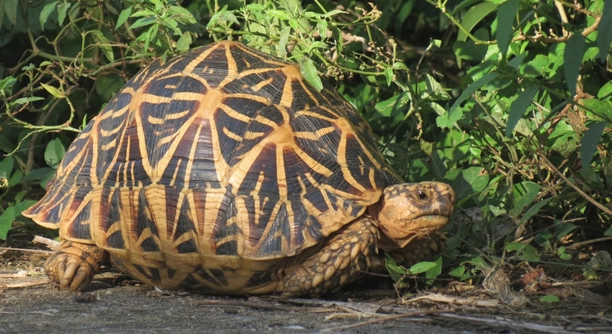
Owning a Star Tortoise can be an exciting experience, but it also comes with responsibilities. As a new owner, there are things you might not know that can affect your tortoise’s well-being.
There are several common mistakes new Star Tortoise owners make that can lead to health problems. Proper care, including diet, habitat, and handling, is essential for keeping them happy and healthy. Avoiding these mistakes will help your tortoise thrive.
With a bit of awareness and preparation, you can avoid these common errors. Understanding the needs of your tortoise is the first step toward ensuring a long, healthy life for your little friend.
Mistake #1: Incorrect Habitat Setup
When you first bring your Star Tortoise home, setting up their habitat is one of the most important steps. These tortoises need a proper balance of humidity, temperature, and lighting to stay healthy. Without these key elements, your tortoise may experience stress, health issues, or even a shortened lifespan. A common mistake is placing them in a small tank that doesn’t have enough space for them to roam or offering inadequate heat sources. Make sure to use a UVB light to simulate sunlight and maintain a warm environment during the day. At night, the temperature should drop slightly, mimicking natural conditions.
Your tortoise’s enclosure should be large enough for it to move freely. Include a basking spot and a cooler area to create a temperature gradient. Regularly monitor humidity levels and adjust accordingly to mimic their natural environment.
It’s easy to overlook the small details in a tortoise’s habitat setup, but they play a significant role in their health. Ensuring your tortoise feels safe and comfortable in its home is key to its long-term well-being. Avoid common mistakes like overcrowding the enclosure or placing it in an area with fluctuating temperatures. Also, take care to provide a substrate that allows for digging, as this is a natural behavior for tortoises.
Mistake #2: Overfeeding
Many new owners think they need to feed their tortoises every day, but that’s not the case. Overfeeding can lead to obesity, which can shorten their lifespan and cause other health problems. It’s crucial to provide the right amount of food according to your tortoise’s size and age. A common mistake is offering too much high-protein food, which can harm their kidneys and liver.
Star Tortoises should primarily eat grasses, leafy greens, and vegetables. Treats like fruits should be offered sparingly, and a varied diet is essential for a balanced nutrition intake.
Overfeeding can also lead to digestive issues. Unlike many pets, tortoises don’t need daily meals. Depending on the species, they can go a few days between meals without suffering. Focus on providing a diet rich in fiber and calcium. Offering fresh food daily is a good practice, but always remember that moderation is key. It’s important to avoid giving too many fatty or sugary foods, as these can lead to poor health outcomes in the long run.
Mistake #3: Inadequate Lighting
UVB lighting is essential for your tortoise’s health. Without it, they can develop shell deformities, metabolic bone disease, or weakened immune systems. Many new owners fail to provide UVB lights, or they use regular bulbs that don’t emit the proper UV rays. Ensure the light is placed correctly to mimic natural sunlight and covers the entire enclosure.
Make sure your tortoise has access to UVB light for 10-12 hours each day. Regularly replace the bulb, as its UV output diminishes over time. Use a special UVB bulb designed for reptiles.
Another mistake is not positioning the light close enough to the tortoise. If it’s too far, your tortoise won’t be able to absorb the necessary UVB rays for proper calcium absorption. Too much exposure to heat can also cause stress, so make sure you balance heat and light properly. A basking spot should be near the light but not directly under it, ensuring your tortoise can regulate its temperature. UVB is crucial for their overall well-being, so take care to maintain the correct lighting setup.
Mistake #4: Improper Handling
Handling your Star Tortoise too much, especially in the early stages of ownership, can cause stress. Tortoises are not social creatures like dogs or cats. They prefer to stay in their habitat and explore at their own pace. If you handle them too often or too roughly, it can negatively impact their behavior and health.
Limit handling to brief sessions and avoid picking them up unless necessary. Give them time to adjust to their environment first.
It’s important to remember that tortoises are naturally shy animals. If you constantly take them out of their enclosure, it disrupts their sense of security. Handling should be gentle and infrequent. When you do need to move them, be sure to support their body fully, avoiding sudden movements. A good rule of thumb is to let your tortoise roam freely within its enclosure while limiting direct interaction, allowing it to build trust at its own pace. Handling too much can make them more anxious, and stress weakens their immune system, leaving them vulnerable to illness.
Mistake #5: Ignoring Hydration Needs
Star Tortoises need access to clean water at all times. Some owners overlook hydration, thinking their tortoises get enough water from their food. However, tortoises require additional hydration, especially in hot weather. Dehydration can lead to serious health issues like kidney problems and digestive issues.
Provide a shallow water dish large enough for your tortoise to soak in. Change the water daily to keep it clean.
Tortoises will often drink from their water dish or soak in it, which helps them stay hydrated. It’s important to ensure that the water is always fresh and clean, as stagnant water can harbor bacteria. Also, make sure the dish is shallow enough to prevent drowning, as tortoises may not be able to climb out of deep water.
Mistake #6: Not Providing the Right Substrate
Choosing the wrong substrate can harm your tortoise’s health. Many owners use materials that hold too much moisture, which can cause fungal infections or respiratory problems. A proper substrate should allow for proper drainage and be dry enough to prevent mold growth.
Use a mix of soil and sand or a specially designed reptile bedding. Keep it dry and change it regularly.
It’s essential to avoid substrates like pine shavings, which can be harmful to reptiles. Instead, opt for materials such as coconut coir, organic soil, or a mixture of sand and soil. These materials allow your tortoise to dig and burrow, which is part of their natural behavior. Be sure to keep the substrate clean by changing it regularly to prevent any harmful bacteria from building up. Proper substrate also helps maintain the right humidity levels in the enclosure.
FAQ
How long do Star Tortoises live?
Star Tortoises can live for up to 50 years, sometimes even longer with proper care. Their lifespan depends on their environment, diet, and overall health. It’s important to create a stable, healthy living situation from the start to help them reach their full potential lifespan.
What should I feed my Star Tortoise?
Star Tortoises are herbivores and require a diet high in fiber. Offer a variety of leafy greens such as dandelion greens, collard greens, and kale. You can also feed them grasses, edible flowers, and certain vegetables like squash and bell peppers. Avoid feeding them high-protein foods like meat or too many fruits, as these can lead to health problems. Ensure that their food is fresh and pesticide-free.
How often should I feed my Star Tortoise?
You should feed your tortoise about three times a week, depending on its age and size. Younger tortoises require more frequent feeding, while adults can go a few days between meals. Always ensure they have fresh water available, and avoid overfeeding to prevent obesity.
Do I need to provide calcium supplements?
Yes, calcium is essential for the health of your tortoise, especially for strong shells and bones. You can provide calcium supplements in the form of a powdered supplement that can be sprinkled over their food. It’s also important to offer natural sources of calcium, such as cuttlebone or a calcium-rich substrate.
How big does a Star Tortoise get?
An adult Star Tortoise typically reaches about 8 to 12 inches in length and weighs between 8 to 12 pounds. Males are usually smaller than females. It’s essential to have a large enough enclosure to accommodate their growth, as they need space to roam and explore.
What temperature should I maintain in the enclosure?
The daytime temperature in the enclosure should range from 85°F to 95°F, with a basking area that reaches up to 100°F. At night, the temperature can drop to around 70°F to 75°F. These temperature ranges are necessary to maintain their digestion and overall health. Use a thermometer to monitor these temperatures regularly.
Can I keep my Star Tortoise outdoors?
Yes, Star Tortoises can live outdoors if you live in a warm climate. They need an outdoor enclosure with a secure fence, shade, and areas to bask in the sun. Make sure the outdoor environment is predator-proof, and provide hiding places, water, and appropriate temperatures. If you live in a colder climate, it’s better to keep your tortoise indoors.
What type of lighting does my Star Tortoise need?
Star Tortoises need UVB lighting to synthesize vitamin D3, which is crucial for calcium absorption and overall health. Use a high-quality UVB bulb designed for reptiles and replace it every 6 to 12 months, as its effectiveness decreases over time. The light should be on for 10 to 12 hours a day.
How often should I clean my tortoise’s enclosure?
Cleaning your tortoise’s enclosure should be done regularly to maintain hygiene. Spot-clean the substrate daily, removing any waste. Every week, clean the entire enclosure, including the water dish, food dish, and any decorations or rocks. Change the substrate as needed, depending on its condition, to prevent bacterial buildup.
Can I keep multiple Star Tortoises together?
While Star Tortoises can live together, it’s important to monitor them closely. Males, in particular, can become territorial, and you may see aggression. It’s best to house one male with several females to reduce the chance of fighting. If you house multiple tortoises, ensure the enclosure is large enough to avoid crowding.
Do Star Tortoises hibernate?
Star Tortoises do not hibernate in the traditional sense like some other tortoise species, but they may experience a period of inactivity during the cooler months. During this time, they may eat less and become less active. Ensure they are kept in a warm environment year-round to avoid health issues related to temperature drops.
How can I tell if my Star Tortoise is healthy?
A healthy Star Tortoise will have a smooth, firm shell without cracks or soft spots. Its eyes should be clear, and it should be alert when awake. A healthy tortoise will be active and will eat regularly. If your tortoise is lethargic, has difficulty eating, or shows signs of respiratory distress, seek veterinary help.
What should I do if my Star Tortoise is sick?
If you notice any signs of illness, such as a lack of appetite, unusual behavior, discharge from the eyes or nose, or shell issues, it’s important to consult a veterinarian who specializes in reptiles. They can provide an accurate diagnosis and guide you in proper treatment. Always take early symptoms seriously to prevent complications.
Final Thoughts
Caring for a Star Tortoise requires attention to detail and a commitment to providing a proper environment. These reptiles have specific needs when it comes to habitat, diet, and overall care. Mistakes like improper lighting, incorrect temperature, or overfeeding can lead to health problems that could affect your tortoise’s well-being. It’s important to be proactive and learn about their needs before bringing one home, and to regularly review their care routine to ensure it’s up to standard. With the right approach, a Star Tortoise can live a long and healthy life.
Understanding the signs of a healthy tortoise, such as clear eyes, smooth shells, and active behavior, can help you monitor your pet’s well-being. If you notice any issues or irregularities, don’t hesitate to seek professional advice. Regularly check their habitat, change their water, and ensure their food is balanced and appropriate for their species. Proper hydration, calcium intake, and UVB lighting are key to maintaining a healthy tortoise. By staying informed about their needs and adjusting your care routine as necessary, you can prevent most common health issues and support a strong, thriving tortoise.
By avoiding common mistakes and staying aware of your tortoise’s specific needs, you’re setting the stage for a long-lasting, positive relationship. While they may not be as interactive as other pets, Star Tortoises offer quiet companionship and can be fascinating to watch as they go about their daily activities. As with any pet, consistency is key. With a little research and a lot of care, your Star Tortoise can enjoy a comfortable, healthy life in your home. Remember, patience is essential, as it may take time to fully understand their behavior and needs, but the reward is well worth the effort.

Hello,
If you enjoy the content that we create, please consider saying a "Thank You!" by leaving a tip.
Every little bit helps us continue crafting quality advice that supports the health, happiness, and well-being of pets around the world, for pets of all shapes, sizes, and species.
We really appreciate the kindness and support that you show us!