
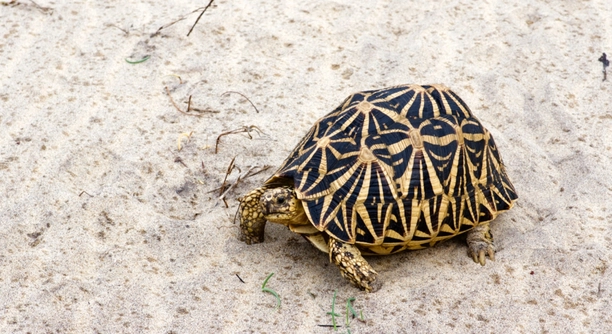
Is your Indian star tortoise tank not as clean and comfortable as you want it to be? Keeping these delicate reptiles healthy requires the right environment, proper maintenance, and a good understanding of their specific needs.
The best way to maintain a healthy Indian star tortoise tank is by providing the right temperature, humidity, substrate, and diet. Regular cleaning, proper lighting, and ensuring a stress-free habitat are also essential for their overall well-being.
A well-maintained tank helps prevent health issues and keeps your tortoise active. From setting up the perfect habitat to avoiding common mistakes, these key secrets will help you create the best possible home for your pet.
Choosing the Right Substrate
The right substrate helps keep your Indian star tortoise healthy. A good choice is a mix of organic topsoil and coco coir, which maintains humidity and allows for natural digging. Avoid sand or gravel, as they can cause impaction if accidentally swallowed. Keeping the substrate clean is just as important as choosing the right one. Remove waste daily and replace soiled bedding regularly to prevent bacteria buildup. The substrate should also be deep enough for burrowing, which provides security and comfort. A clean and appropriate substrate creates a safe and comfortable space for your tortoise.
A dry or dusty substrate can cause respiratory issues. A substrate that holds too much moisture can lead to shell rot. It’s important to find a balance that keeps the enclosure humid but not wet. Checking the substrate regularly will help maintain the right conditions.
Some owners prefer to use hay, but it molds easily if not changed frequently. Reptile-safe mulch is another option, though it should be free of chemicals or dyes. A combination of soil and coco coir works well for humidity control, while adding leaf litter or sphagnum moss provides enrichment. Choosing the right substrate ensures your tortoise remains comfortable and free from health problems.
Maintaining Proper Humidity
Humidity levels should stay between 60% and 80%. A dry habitat can lead to dehydration and shell deformities, while excessive moisture can cause fungal infections. Keeping a consistent humidity level is necessary for your tortoise’s well-being.
A large, shallow water dish placed inside the enclosure will help maintain humidity while also giving your tortoise a place to soak. Misting the tank with water once or twice daily can also help, but it’s important not to overdo it. If the enclosure is too wet, bacteria and mold can develop. Using a hygrometer allows you to monitor humidity levels accurately.
Another way to regulate humidity is by using a moist hide. A small area filled with damp sphagnum moss provides a humid retreat when needed. The enclosure’s location in your home can also affect moisture levels, so keep it away from direct sunlight or heating vents. A proper humidity balance is essential for shell growth and respiratory health, ensuring your tortoise stays strong and active.
Providing the Right Temperature
A stable temperature is necessary for your tortoise’s health. The basking area should be around 90°F, while the cooler side should stay near 75°F. Nighttime temperatures can drop slightly but should not go below 70°F. Using a thermometer helps ensure the temperature stays within the right range.
A high-quality heat lamp is the best way to provide warmth. Place it over one side of the tank to create a temperature gradient. This allows your tortoise to move between warm and cool areas as needed. Avoid heat rocks, as they can cause burns. A ceramic heat emitter is a good option for maintaining warmth at night. Consistency is important, so check temperatures daily. If your tortoise is too cold, it may become sluggish and stop eating. Overheating can lead to dehydration, so providing shade is just as important as warmth.
Proper temperature control supports digestion and overall health. Without the right warmth, your tortoise may struggle to process food, leading to health issues. The substrate can also affect temperature regulation. A deep, natural substrate helps retain heat, while a dry, thin layer may make it harder for your tortoise to stay warm. Monitoring and adjusting the heat setup ensures your tortoise remains comfortable and active.
Ensuring Adequate Lighting
Indian star tortoises need UVB lighting to stay healthy. Without it, they can develop metabolic bone disease, which leads to weak bones and deformities. A high-quality UVB bulb should be placed inside the enclosure and replaced every six months to ensure effectiveness.
The light should be on for 10 to 12 hours each day, simulating natural sunlight. Position the UVB bulb close enough for your tortoise to benefit, but not too close to cause overheating. A combination of UVB and heat lamps creates a natural environment. If your tortoise gets outdoor sun exposure, artificial lighting is still needed on cloudy days. Proper lighting supports calcium absorption, keeping bones and the shell strong.
The type of UVB bulb matters. A fluorescent tube UVB bulb is better than a compact coil bulb, as it provides more coverage. Placing a mesh screen over the enclosure can block UVB rays, so ensure the light reaches your tortoise directly. Combining good lighting with a balanced diet helps prevent health problems and keeps your tortoise active.
Keeping the Enclosure Clean
A dirty enclosure can lead to bacteria buildup and infections. Spot-clean daily by removing waste and leftover food. Replace soiled substrate regularly and deep-clean the entire tank once a month. A clean habitat helps prevent respiratory issues and keeps your tortoise comfortable.
Water bowls should be cleaned and refilled daily to prevent algae growth. Hiding spots, decorations, and enclosure walls can collect bacteria, so wiping them down with a reptile-safe disinfectant is important. Good hygiene reduces the risk of illness and keeps your tortoise’s environment fresh and safe.
Feeding a Balanced Diet
A varied diet keeps your tortoise healthy. Leafy greens like dandelion, collard greens, and mustard greens should make up most of the diet. Occasional treats like hibiscus flowers and cactus pads add variety. Avoid high-protein foods, as they can cause kidney damage. Fresh, clean food should always be available.
Providing Hiding Spots
Hiding spots help reduce stress and make your tortoise feel secure. Use natural materials like logs, rocks, or reptile hides. Place them in different areas of the enclosure to create a sense of safety. A comfortable, stress-free environment encourages natural behavior and keeps your tortoise healthy.
FAQ
How often should I clean my tortoise’s enclosure?
Spot-clean the enclosure daily by removing waste and uneaten food. Water dishes should be washed and refilled every day. A full deep clean, including changing the substrate and disinfecting surfaces, should be done once a month. Regular maintenance prevents bacteria buildup and keeps your tortoise healthy.
What is the best temperature for an Indian star tortoise?
The basking area should be around 90°F, while the cooler side should stay at 75°F. Nighttime temperatures should not drop below 70°F. Using a thermometer ensures temperature consistency. A heat lamp during the day and a ceramic heat emitter at night help maintain the correct temperature levels.
How much humidity does an Indian star tortoise need?
Humidity should stay between 60% and 80%. Low humidity can cause dehydration and shell deformities, while excess moisture can lead to fungal infections. Using a hygrometer helps track humidity levels. Misting the enclosure lightly and providing a moist hide can help maintain proper conditions.
What kind of lighting does an Indian star tortoise need?
A UVB light is necessary for calcium absorption and shell health. Without it, tortoises can develop metabolic bone disease. The light should be on for 10–12 hours daily. A fluorescent UVB tube works best, and bulbs should be replaced every six months for effectiveness.
What should I feed my Indian star tortoise?
A diet of mostly leafy greens, such as dandelion, collard greens, and mustard greens, is best. Occasional treats like hibiscus flowers and cactus pads add variety. Fruits should be given rarely, and high-protein foods should be avoided as they can harm the kidneys.
Can I keep multiple Indian star tortoises together?
Indian star tortoises do not do well in groups. They are territorial and can become stressed if housed together. If keeping more than one, ensure a large enclosure with plenty of hiding spots. It is best to house them separately to prevent competition and aggression.
Do Indian star tortoises need a water dish?
Yes, a shallow water dish should always be available. It provides a place for drinking and soaking, which helps with hydration and shedding. The dish should be cleaned daily to prevent bacteria buildup. Ensure the water is shallow to avoid drowning risks.
How can I tell if my tortoise is healthy?
A healthy tortoise has clear eyes, a smooth shell, and an active appetite. Lethargy, runny nose, or soft shell can indicate illness. Regular checkups with a reptile vet can help detect health issues early. Observing daily behavior makes it easier to spot problems quickly.
What should I do if my tortoise stops eating?
Check the temperature and humidity levels, as improper conditions can reduce appetite. Stress, illness, or a sudden diet change can also cause a loss of appetite. If the problem continues for more than a few days, consult a reptile veterinarian for a proper diagnosis.
How big should my tortoise’s enclosure be?
A single Indian star tortoise needs at least a 4×2-foot enclosure. Larger is always better. A spacious habitat allows room for exploration, hiding, and basking. Outdoor enclosures are ideal in warm climates, as they provide natural sunlight and more space to roam.
Do Indian star tortoises need exercise?
Yes, regular movement is important for muscle and bone health. A large enclosure with obstacles like logs and rocks encourages natural movement. If keeping your tortoise indoors, supervised outdoor time in a secure area can provide additional exercise and enrichment.
Can Indian star tortoises recognize their owners?
They may not recognize owners the way mammals do, but they can become familiar with routines and voices. With time, they associate their owner with food and care. While they are not social animals, they can show curiosity and become comfortable around familiar people.
How long do Indian star tortoises live?
With proper care, they can live for 30–50 years or more. Some even reach 80 years. A well-maintained habitat, proper diet, and regular vet checkups contribute to a long, healthy life. Owners should be prepared for a long-term commitment when keeping these tortoises.
What are common health problems in Indian star tortoises?
Respiratory infections, shell rot, and metabolic bone disease are the most common issues. These are usually caused by improper humidity, poor diet, or lack of UVB lighting. Regular monitoring of conditions and early veterinary care help prevent and treat health problems.
Is it okay to handle my Indian star tortoise?
Handling should be kept to a minimum. Indian star tortoises can become stressed with too much handling. If necessary, support their body fully and keep handling brief. Wash hands before and after to prevent the spread of bacteria or diseases.
Final Thoughts
Maintaining a healthy Indian star tortoise tank requires attention to temperature, humidity, lighting, diet, and cleanliness. These tortoises are sensitive to changes in their environment, so keeping their enclosure well-maintained is essential for their health. A proper setup helps prevent common issues like respiratory infections, shell deformities, and digestive problems. Regular monitoring of their habitat ensures they stay comfortable and active. Even small adjustments, like improving substrate quality or adjusting humidity levels, can make a big difference in their well-being. Taking the time to create a balanced and safe environment will help your tortoise thrive for many years.
Caring for an Indian star tortoise is a long-term commitment. They can live for decades, which means their needs must be met consistently over time. Providing a varied diet, fresh water, and a stress-free habitat plays a major role in their overall health. Regular vet checkups can also help detect health issues early. Observing their behavior daily can give clues about any potential problems, making it easier to address concerns before they become serious. Since they are not social animals, they do best in a calm and stable environment without frequent handling. A peaceful enclosure with plenty of hiding spots allows them to feel safe and secure.
Creating the right habitat is not just about keeping the tank clean or providing the right food—it’s about ensuring your tortoise has everything it needs to live a healthy life. A well-balanced environment helps them grow properly, stay active, and avoid stress-related issues. While keeping an Indian star tortoise takes effort, the rewards are worth it. Watching them explore, bask under their heat lamp, and enjoy their meals can be a satisfying experience. By following the right care techniques and staying consistent, you can give your tortoise the best possible life in captivity.

Hello,
If you enjoy the content that we create, please consider saying a "Thank You!" by leaving a tip.
Every little bit helps us continue crafting quality advice that supports the health, happiness, and well-being of pets around the world, for pets of all shapes, sizes, and species.
We really appreciate the kindness and support that you show us!