
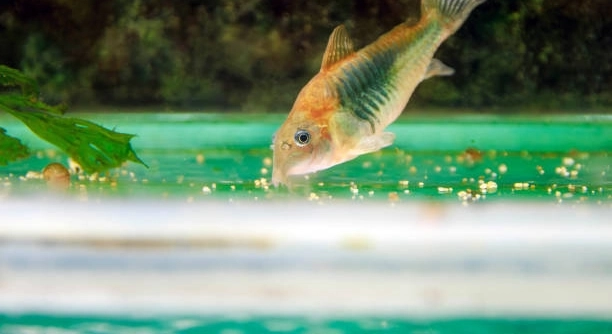
Corydoras catfish are popular aquarium fish known for their peaceful nature and bottom-dwelling habits. However, maintaining stable water temperatures can be challenging. Proper temperature control is crucial for their health and well-being.
Maintaining stable water temperature for Corydoras catfish is vital to ensure their comfort and longevity. Small fluctuations in water temperature can stress the fish and even lead to health problems. Ensuring a consistent temperature range will promote optimal conditions for them.
Understanding how temperature affects your catfish can make a significant difference in their care. We will explore various methods to help you maintain a stable environment for your Corydoras catfish.
1. Invest in a Reliable Heater
Maintaining a stable water temperature for Corydoras catfish begins with the right equipment. Investing in a good-quality aquarium heater is essential for keeping the water consistently warm. When selecting a heater, make sure it’s appropriate for the size of your tank. A heater that’s too small won’t maintain the necessary warmth, while one that’s too large can overheat the water. Look for a heater with a built-in thermostat to ensure temperature control. Proper installation and placement of the heater also play a key role. It’s best to position it near the water’s flow, ensuring even distribution of heat throughout the tank.
A well-calibrated heater prevents sudden temperature changes, ensuring a steady environment for your Corydoras catfish. These fish are sensitive to fluctuations, so the more stable the water temperature, the healthier they’ll be.
Investing in a quality heater helps you avoid unnecessary stress for your catfish. A reliable heater ensures that they experience less temperature fluctuation, which can lead to sickness or poor health in the long run.
2. Use a Thermometer to Monitor Temperature
It’s not enough to just have a heater; monitoring the water temperature regularly is equally important. A thermometer provides you with accurate readings, which help you track the water’s stability. Inconsistent temperature can be harmful to your Corydoras, and a thermometer ensures that any temperature changes are detected early.
There are various types of thermometers available, including digital and glass options. Both have their benefits, but digital thermometers tend to be easier to read and often provide more precise measurements. It’s a good idea to check the temperature daily, especially if you’ve noticed fluctuations before. This will help you catch any issues before they escalate.
By consistently monitoring the temperature, you’re actively preventing issues that can arise from unseen water changes. The small investment in a thermometer can make a huge difference in your catfish’s well-being. It’s simple, but effective in maintaining their health.
3. Insulate Your Tank for Temperature Consistency
When temperature fluctuations occur in your home, they can easily affect your aquarium. Insulating your tank helps prevent these changes. Using tank insulation materials like foam or blankets can help maintain the water temperature, especially in areas where the room temperature may fluctuate.
Additionally, positioning the tank away from windows, heaters, or air conditioning units will minimize the chance of external temperature changes affecting the water. Insulation prevents heat loss during colder months and reduces the work your heater needs to do, leading to better energy efficiency.
By ensuring that external factors don’t affect your tank, you can create a more stable environment for your Corydoras catfish. Whether it’s too hot or too cold, insulation will keep their tank comfortable without constant temperature adjustments.
4. Maintain Consistent Room Temperature
Room temperature has a direct effect on the water temperature in your aquarium. Keeping the room at a stable temperature helps reduce fluctuations in the water. This can be especially important in homes with heating or cooling systems that tend to cause sharp changes in air temperature.
Ideally, the room where you keep your aquarium should maintain a consistent temperature range. If the room temperature is too cold or too hot, it may cause your aquarium heater to work harder than necessary to maintain the correct water temperature.
A good practice is to keep the room temperature within the recommended range for your fish, avoiding drafts or direct sunlight on the tank. This creates an environment where the heater doesn’t have to compensate for drastic temperature changes, which in turn benefits the health of your Corydoras catfish. Keeping a stable room temperature helps maintain the overall health of your aquarium ecosystem.
5. Perform Regular Water Changes
Regular water changes are essential for maintaining a healthy tank environment and can help stabilize water temperature. As fresh water is added, it helps prevent the buildup of toxins and balances temperature fluctuations. Regularly replacing 20-30% of the tank water ensures that the temperature doesn’t dramatically shift when adding new water.
To maintain stability, it’s important to match the temperature of the new water to the current water temperature in the tank. Before changing the water, make sure it’s conditioned and heated to the same level. Sudden temperature changes during water changes can stress the fish and affect their immune system.
Performing consistent water changes ensures that the tank’s environment remains healthy and prevents sharp temperature shifts that could cause harm. Matching the water temperature will make these changes feel seamless for your Corydoras catfish, reducing stress and supporting their long-term health.
6. Consider a Tank Cover
A tank cover helps keep your Corydoras catfish’s environment more stable. It reduces heat loss, especially in colder months, and helps keep the water temperature consistent. A cover also prevents debris from entering the tank, ensuring a cleaner environment.
Having a secure lid on your tank creates a barrier that keeps warm air inside, preventing temperature drops. If you live in a colder climate, it can significantly reduce the amount of heat your aquarium loses overnight or when the heater is not in use. This can lessen the strain on your heater, too.
Another advantage of using a tank cover is that it minimizes evaporation, which helps maintain water levels. Evaporation can lead to rapid temperature fluctuations, but a cover keeps the heat steady. By providing a stable environment, your Corydoras catfish will thrive, and the tank will be easier to maintain in the long run.
7. Avoid Overcrowding the Tank
Overcrowding your aquarium can affect water temperature stability. Too many fish in a tank can lead to higher temperatures because fish produce heat as they swim around. Corydoras catfish prefer a peaceful environment, and overcrowding can stress them out.
Proper stocking levels allow for better circulation and heat distribution. When a tank is overcrowded, heat can become trapped, especially if the water isn’t circulating well. This can cause temperature spikes, affecting the health of your catfish. It’s important to follow recommended stocking guidelines based on your tank’s size.
Keeping the tank at a proper stocking level helps maintain a balanced ecosystem. Adequate space between fish prevents overcrowding, leading to better water quality, better circulation, and more stable temperatures. Corydoras will feel more secure, reducing stress and keeping your aquarium’s temperature steady.
8. Use a Water Pump for Better Circulation
A water pump can improve circulation in your tank, helping to evenly distribute heat. By ensuring the water flows properly, you prevent areas of the tank from becoming too hot or too cold, keeping the temperature stable.
With good water circulation, your heater works more efficiently, preventing hot spots from forming. Water pumps help create even temperature gradients across the tank, which is especially important for your Corydoras catfish, as they prefer stable and even conditions. Better circulation also prevents dead spots where waste can accumulate, improving overall tank conditions.
9. Keep the Tank Away from Direct Sunlight
Direct sunlight can cause water temperature fluctuations, especially during the warmer months. Keeping your Corydoras catfish tank out of direct sunlight helps prevent overheating. Sunlight can cause sudden temperature rises, stressing the fish.
Placing the tank in a location that avoids exposure to direct sunlight will protect your catfish from these temperature spikes. It’s best to position the tank in a shaded area, away from windows or areas with fluctuating light. This simple step helps keep the environment consistent, allowing your catfish to live in a stable, stress-free habitat.
10. Maintain Proper Tank Size
The size of the tank plays a significant role in maintaining stable water temperature. Larger tanks are more forgiving when it comes to temperature changes, while smaller tanks can experience rapid fluctuations. A proper tank size gives your catfish a stable environment.
A larger tank means less rapid fluctuation in water temperature. Corydoras catfish do best in a tank that’s large enough to provide stable conditions and ample space. Choosing the right size ensures that the heater and other equipment can work effectively, creating a balanced and steady environment for your fish.
FAQ
What is the ideal water temperature for Corydoras catfish?
The ideal water temperature for Corydoras catfish ranges from 72°F to 78°F (22°C to 26°C). It’s important to keep the water in this range to ensure their health and well-being. If the water becomes too cold or too hot, Corydoras may experience stress, which can lead to various health issues. A consistent temperature within this range promotes active behavior, proper digestion, and overall happiness.
How can I stabilize the temperature in my aquarium?
To stabilize the temperature, invest in a reliable heater with a thermostat to maintain a constant temperature. Use a thermometer to monitor the water regularly and make adjustments if necessary. Placing the tank in a stable environment, away from windows or heating/cooling vents, helps keep the temperature consistent. Additionally, insulating the tank can prevent temperature fluctuations caused by external factors.
Can Corydoras catfish tolerate temperature changes?
Corydoras catfish are sensitive to temperature changes, and sudden fluctuations can cause stress or illness. Gradual changes are less harmful, but rapid shifts can lead to problems like reduced immunity and even death. It’s crucial to maintain a stable environment with minimal fluctuations. If changes are necessary, do them slowly to give your fish time to adapt.
Do I need to use a water pump for temperature stability?
Using a water pump can help improve water circulation, ensuring that the heat from the aquarium heater is distributed evenly. While it’s not strictly necessary, a pump can prevent localized temperature changes in your tank, which helps maintain a consistent environment. Proper circulation also reduces the risk of dead spots where waste can accumulate, leading to healthier water.
How can I prevent my heater from overworking?
To prevent your heater from overworking, ensure your tank is the correct size for your heater’s capacity. A heater that’s too small will struggle to maintain the desired temperature, while one that’s too large can cause overheating. Keeping the tank in a stable room temperature environment will also reduce the heater’s workload, allowing it to function more efficiently.
Is it okay to place my tank near a window?
It’s not recommended to place your tank near a window. Direct sunlight can cause sudden temperature spikes and fluctuations, especially on hot days. These rapid changes can stress your Corydoras catfish and even lead to health issues. It’s best to keep the tank in a location where it won’t be exposed to direct sunlight for extended periods.
How often should I check the water temperature?
It’s a good idea to check the water temperature at least once a day. Regular monitoring ensures that any changes in the tank’s temperature are noticed quickly. If you use a heater with a built-in thermostat, checking the temperature will help you confirm that it’s functioning correctly. Regular checks can prevent temperature-related stress and health problems in your fish.
What type of heater is best for Corydoras catfish?
An adjustable, submersible aquarium heater is the best option for Corydoras catfish. Look for a heater with a built-in thermostat for precise control over the water temperature. A quality heater that’s the correct size for your tank will ensure consistent heating and prevent dangerous fluctuations. It’s essential to choose a reliable, well-made heater that’s designed for the size and type of your aquarium.
Can I use a regular thermometer to check my aquarium’s temperature?
Yes, you can use a regular thermometer, but aquarium-specific thermometers are designed for better accuracy in aquatic environments. Digital thermometers are often easier to read and can give you more precise temperature measurements. However, any thermometer that provides consistent, accurate readings will work to monitor your tank’s temperature.
What is the best tank size for Corydoras catfish?
For a group of Corydoras catfish, a minimum tank size of 20 gallons is recommended. This size provides ample space for them to swim comfortably and helps maintain a more stable water temperature. Smaller tanks are more prone to temperature fluctuations, making it harder to maintain the ideal conditions. Larger tanks allow for better water circulation and easier temperature control.
How do I know if my Corydoras catfish is stressed from temperature changes?
Signs of stress in Corydoras catfish due to temperature changes include excessive hiding, rapid breathing, loss of appetite, and overall lethargy. If the temperature fluctuates too much, your catfish may also show signs of clamped fins or appear to be swimming erratically. If you notice any of these behaviors, check the water temperature and make sure it’s within the ideal range.
Should I insulate my tank for better temperature control?
Yes, insulating your tank can help maintain a more stable temperature. Insulation materials like foam or tank covers reduce heat loss, especially in colder environments. This can prevent the temperature from dropping too low during the night or in colder weather, reducing the strain on your heater. Proper insulation ensures that the water temperature stays within the optimal range for your Corydoras catfish.
Is it okay to keep Corydoras catfish in a tank with other species?
Corydoras catfish are peaceful bottom dwellers and can typically be kept with other peaceful species that don’t bother them. They prefer tanks with slow-moving water and plenty of hiding spots. Just make sure that the other fish in the tank are not aggressive or too large, as this can cause stress for your Corydoras. Always check compatibility before adding new fish.
How can I prevent my aquarium from overheating in summer?
During the summer months, keep the tank in a cool, shaded area away from direct sunlight. You can also use a fan or aquarium chiller to keep the water temperature stable. Avoid opening the lid frequently, as this can cause heat to escape, and make sure your heater isn’t overworking. Regular water changes can also help regulate the temperature.
What are some signs of overheating in my Corydoras catfish tank?
Signs of overheating include fish staying near the surface, gasping for air, or becoming overly active. The water temperature may rise above the ideal range, and you may notice your catfish becoming stressed or lethargic. If you suspect your tank is overheating, take immediate action by adjusting the heater or moving the tank to a cooler area.
Can water changes help regulate the temperature?
Yes, water changes can help regulate the temperature, especially if the water being added is close to the tank’s current temperature. Regular water changes prevent temperature fluctuations by replacing water that may have warmed or cooled too much. However, always ensure the new water is conditioned and heated to match the tank’s temperature to avoid stressing the fish.
Maintaining a stable water temperature for your Corydoras catfish is essential for their health and well-being. These small fish are sensitive to temperature changes, and fluctuations can cause stress or even lead to illness. By investing in the right equipment, such as a reliable heater and thermometer, you can create a more stable environment for them. Monitoring the water temperature regularly will help you catch any changes before they become a problem. Taking these simple steps ensures that your catfish are comfortable and thriving in your aquarium.
In addition to using the proper equipment, factors like tank size, circulation, and room temperature play a key role in maintaining a steady water temperature. A larger tank offers better temperature stability, while good water circulation ensures heat is evenly distributed. Insulating your tank and positioning it in a stable room temperature area will help prevent sudden changes in the water. These small adjustments make a big difference in creating the right environment for your Corydoras catfish. By keeping their habitat consistent, you help reduce the risk of stress and promote their overall health.
Ultimately, caring for Corydoras catfish involves a balance of attention to detail and understanding their needs. Ensuring a stable water temperature is just one aspect of their care, but it’s a crucial one. If you maintain consistent conditions, your catfish will be more active, healthier, and live longer. By being mindful of temperature fluctuations and making the right choices for their environment, you’ll be able to enjoy your Corydoras catfish for many years.

Hello,
If you enjoy the content that we create, please consider saying a "Thank You!" by leaving a tip.
Every little bit helps us continue crafting quality advice that supports the health, happiness, and well-being of pets around the world, for pets of all shapes, sizes, and species.
We really appreciate the kindness and support that you show us!