
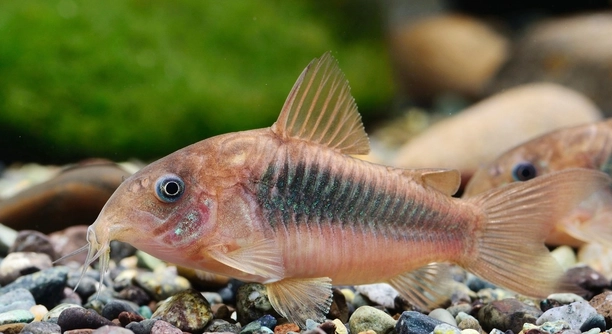
Is your Corydoras catfish moving strangely across the tank, making quick turns and shifting directions in a zigzag pattern? This behavior can seem odd, especially when everything else in the tank looks normal.
A zigzag swimming pattern in Corydoras catfish is often caused by stress, poor water quality, or health issues such as parasites or swim bladder problems. It may also relate to breeding behavior, temperature changes, or sudden environmental shifts.
These patterns can mean different things, so learning the causes can help you respond more confidently and keep your fish healthy.
What a Zigzag Pattern Might Mean for Corydoras
When your Corydoras swims in a zigzag, it’s often reacting to something in its environment. This could be a sudden water change, a sharp shift in temperature, or even high ammonia or nitrite levels. Sometimes, it’s a temporary response to stress, like loud noises or too much light near the tank. If the tank is too small or overcrowded, Corydoras may become anxious and act unpredictably. Breeding activity can also explain the behavior, especially if you notice chasing or rapid movements from males. Though Corydoras are hardy fish, they are still sensitive to water conditions and sudden changes. Their zigzag movements might also reflect internal issues like swim bladder problems or external irritants like parasites. Keeping a consistent, clean environment is key.
This swimming pattern is not always serious, but it’s worth paying attention to any added signs of distress or illness.
Observing behavior over time helps you understand if the zigzag swimming is a one-time issue or something recurring.
Seven Possible Causes to Watch For
Zigzag swimming has several potential causes, from mild stress to more serious health issues that require immediate attention.
- Water Quality Issues: Corydoras are highly sensitive to ammonia and nitrite. Poor water quality can lead to erratic swimming. Testing the water regularly and performing consistent partial water changes is essential. Always check parameters if your fish behaves oddly.
- Stress from Tankmates: Aggressive or overly active tankmates may cause Corydoras to dart and weave through the water in panic. Make sure their tank companions are peaceful.
- Sudden Environmental Changes: A fast change in temperature or pH can disturb your Corydoras’ natural rhythm. Gradual acclimation to new water conditions helps reduce stress.
- Breeding Behavior: Males often chase females in zigzag patterns during mating season. This is normal and usually short-lived.
- Swim Bladder Issues: A damaged or inflamed swim bladder affects balance and direction. Look for trouble staying upright or floating oddly.
- Parasites or External Irritants: Skin flukes or external parasites can cause irritation, leading to darting motions. Watch for rubbing against surfaces.
- Overcrowded or Small Tanks: Limited space increases stress and erratic movement. Corydoras prefer roomy tanks with places to hide and rest.
How to Respond When You Notice the Behavior
The first thing to do is test your water parameters. Check ammonia, nitrite, nitrate, pH, and temperature. Even slight changes can affect Corydoras behavior. Adjust slowly if needed and perform a partial water change if levels are off.
If the water checks out, observe your Corydoras closely for other symptoms. Look for clamped fins, rubbing on surfaces, gasping near the surface, or bloated bellies. These signs can indicate underlying issues like parasites, poor oxygen levels, or internal problems. Try reducing stress by dimming the lights and limiting sudden movement near the tank. If breeding behavior is likely, monitor but don’t interfere.
Make sure your tank isn’t overcrowded and that your Corydoras have enough space and hiding spots. They enjoy being in groups of five or more and need calm surroundings. Stressful environments often trigger zigzag swimming. A proper setup with soft substrate, clean water, and gentle flow makes a big difference.
When You Should Start Worrying
If your Corydoras keeps swimming in zigzags for more than a day and other symptoms appear, it’s time to act. Watch for any changes in appetite, rapid gill movement, or odd posture.
Prolonged zigzagging, especially with signs like bloating or color changes, could point to more serious conditions. Swim bladder disease, for example, affects balance and can become painful if untreated. External parasites or internal infections can also cause this erratic movement. If you suspect something beyond basic stress or breeding, it may be worth isolating the fish in a hospital tank. This allows for closer monitoring and treatment if needed. Use aquarium salt cautiously or follow a medication plan suited for your tank size and species. Acting early gives your Corydoras a better chance at recovery and helps maintain the overall health of the tank.
Things You Can Do Right Away
Start by doing a 25–30% water change, especially if you haven’t done one in the past week. This helps reset water parameters and ease stress. Use a water conditioner to remove chlorine and keep the temperature stable during the refill.
Turn off bright lights and limit noise or sudden movement around the tank. Corydoras are sensitive to their surroundings, and a calm space helps them settle down. Keeping their environment peaceful can reduce strange swimming patterns fairly quickly.
Long-Term Prevention Tips
Keep your tank well-maintained with consistent weekly water changes and regular testing. Ammonia, nitrite, and nitrate levels should stay in check to prevent stress-related behavior. Use a soft, sandy substrate to protect their delicate barbels and provide shaded areas with plants or decorations. Corydoras do better in groups, so keep at least five or six together to support their social needs. Avoid overfeeding, and clean up leftover food to reduce waste buildup. Stick with peaceful tankmates that don’t nip or chase. Monitoring temperature and avoiding sudden shifts in pH also helps. Stability and cleanliness make all the difference over time.
Final Thought on Zigzag Swimming
Zigzag swimming can seem alarming, but it often has a clear cause and simple fix when caught early.
FAQ
What causes Corydoras to swim in a zigzag pattern?
Corydoras swimming in a zigzag pattern can be a sign of stress, poor water quality, or illness. They might be reacting to environmental changes, such as fluctuating temperature or pH levels. If they’re in breeding mode, males can display this erratic movement when chasing females. It could also indicate health problems like swim bladder disease, parasites, or an injury. Environmental factors, such as overcrowded tanks or aggressive tankmates, may also contribute to this behavior. Consistently testing water parameters and providing a peaceful, stable environment can help reduce these issues.
How can I tell if my Corydoras is stressed?
Stress in Corydoras is often displayed through erratic swimming, hiding more than usual, or showing signs of poor appetite. They may also rub against objects or the substrate, a behavior linked to irritation or parasites. In stressful conditions, their color may dull, and they could become more aggressive or withdrawn. Watching for signs like rapid gill movement or labored breathing is also crucial, as these can point to an oxygen deficiency or poor water quality. Regular water changes, avoiding sudden environmental shifts, and maintaining a peaceful tank setup can reduce stress levels.
Should I be concerned if my Corydoras only swims in a zigzag pattern for a short period?
If your Corydoras exhibits this behavior for just a short time, it may not be a major concern. Short-term zigzag swimming often occurs during periods of excitement or stress, such as after a water change or during breeding activity. As long as your fish returns to normal swimming after a few hours or a day, there’s usually no need to worry. However, if the behavior persists or is accompanied by other symptoms, like clamped fins or loss of appetite, it’s important to investigate further.
Can poor water quality cause Corydoras to swim in a zigzag pattern?
Yes, poor water quality is a common cause of zigzag swimming in Corydoras. These fish are particularly sensitive to changes in ammonia, nitrites, and nitrates, which can lead to stress and erratic movements. If the water is not properly filtered or cleaned, it can cause a range of health issues for your fish, including altered swimming behavior. Regular water testing and consistent water changes can prevent these problems.
Is it normal for Corydoras to swim in a zigzag pattern when they are mating?
Yes, it’s normal for male Corydoras to swim in a zigzag pattern during mating behavior. Males often chase females in this erratic manner as part of their courtship. This pattern can be seen as part of their attempt to impress the female and secure a mate. It’s a temporary behavior that typically only lasts for the duration of the mating season or until successful reproduction occurs.
How can I prevent my Corydoras from swimming in a zigzag pattern?
The best way to prevent zigzag swimming is to maintain a stable and clean environment. Regular water changes are essential for keeping water quality in check, and testing for ammonia, nitrites, and nitrates should be done frequently. Make sure your tank is appropriately sized for your Corydoras and that they have enough space to swim freely. Avoid overcrowding and aggressive tankmates, as these can cause stress. A peaceful tank environment with proper water flow and hiding spots will help prevent zigzag behavior.
Could my Corydoras be sick if it’s swimming in a zigzag pattern?
Yes, sickness could be a cause of zigzag swimming. Swim bladder disease, which affects the fish’s ability to control its buoyancy, can result in erratic movements like zigzagging. Parasites or external irritants like skin flukes could also cause discomfort, leading to this swimming pattern. Look for other signs of illness, such as bloating, loss of appetite, or abnormal coloration. If the behavior persists, it’s a good idea to isolate your fish and consult an aquatic veterinarian for diagnosis and treatment.
What should I do if my Corydoras is swimming in a zigzag pattern and appears to be sick?
If your Corydoras is swimming in a zigzag pattern and showing signs of illness, immediately check your water quality to rule out environmental causes. If the water conditions are good, and your fish is still showing symptoms, consider isolating it in a hospital tank to avoid further stress. This also allows for closer monitoring and more effective treatment. Treatment options could include using aquarium salt for minor irritations or appropriate medication for parasites and swim bladder issues. Consult an expert for advice if you’re unsure of the diagnosis.
Can I use aquarium salt to treat Corydoras with zigzag swimming?
Aquarium salt can help with minor issues like stress and external parasites, but it should be used with caution. Corydoras are sensitive to salt, so only use it in small, controlled doses. Before adding salt, ensure that it’s suitable for your tank’s water conditions and that the dosage is correct. If your fish is showing signs of illness, a proper treatment plan based on the specific condition is necessary. It’s always a good idea to consult a professional before medicating.
Will adding more Corydoras to the tank help reduce zigzag swimming?
Adding more Corydoras to the tank can help reduce stress if the fish are social and thrive in groups. Corydoras are shoaling fish, which means they feel safer and more comfortable when surrounded by their own kind. However, this only works if the tank is large enough to support the additional fish. Overcrowding can actually increase stress and trigger erratic swimming behavior. Always ensure your tank has enough space and hiding spots for all your fish to feel secure.
Final Thoughts
Zigzag swimming in Corydoras is a behavior that can be concerning for fish owners. While it can be due to temporary stress or excitement, it’s important to monitor the situation closely. Often, the fish will return to normal swimming behavior after a short period, especially if it’s caused by minor stressors like a water change or a sudden temperature shift. However, persistent zigzag swimming can signal a deeper issue that needs to be addressed.
It’s essential to maintain stable water conditions to prevent stress-related behaviors. Corydoras are particularly sensitive to changes in their environment, so regular water testing and proper filtration are crucial. Ensuring that your tank is properly maintained will go a long way in preventing these behaviors. If you notice your Corydoras swimming erratically, start by checking the water quality and making sure the fish has a peaceful environment to live in.
If the behavior doesn’t stop or if your fish shows other signs of illness, it’s best to act quickly. Whether it’s treating for parasites, managing swim bladder issues, or addressing water quality problems, the sooner you can pinpoint the cause, the better. Corydoras are generally resilient fish, but their well-being depends on a stable and clean environment. By taking proactive measures, you can help your Corydoras stay healthy and prevent zigzag swimming in the future.

Hello,
If you enjoy the content that we create, please consider saying a "Thank You!" by leaving a tip.
Every little bit helps us continue crafting quality advice that supports the health, happiness, and well-being of pets around the world, for pets of all shapes, sizes, and species.
We really appreciate the kindness and support that you show us!