
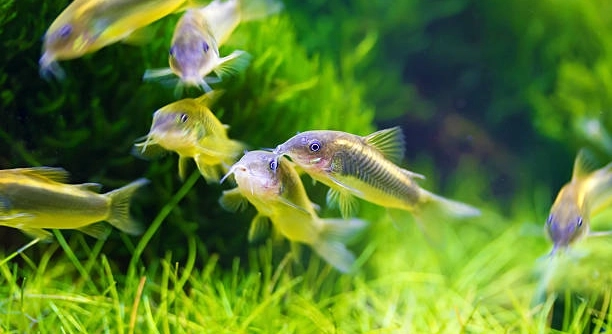
Corydoras catfish are a popular species in home aquariums. They require a balanced diet to thrive. However, it can be tricky to determine if they are getting enough food, as they are small and often feed on the aquarium floor.
The easiest way to determine if your Corydoras catfish is getting enough food is by observing their behavior and physical condition. Signs like weight loss, lethargy, and competition for food can indicate insufficient nutrition. Regular feeding schedules are also crucial.
By understanding the key indicators, you can better monitor their health and adjust their diet accordingly. This ensures your Corydoras catfish remains active and healthy in its environment.
Signs Your Corydoras Catfish Is Not Getting Enough Food
Corydoras catfish are scavengers, feeding mostly on leftover food from other tank mates. However, if they aren’t getting enough, they may struggle to thrive. Weight loss, slower movements, and a lack of energy are noticeable signs that they aren’t eating enough. Over time, this can lead to malnourishment, affecting their overall health. Additionally, if your Corydoras is constantly swimming near the surface or looking for food around the tank, it’s a sign they’re not getting enough nutrition. Ensuring they have a consistent supply of food is essential for their well-being.
Sometimes, a feeding schedule can be helpful to avoid overfeeding. It can also help monitor how much food they consume, which is important when trying to determine whether they are getting the right amount. By feeding small portions multiple times a day, you can make sure they aren’t left hungry.
The type of food is another factor. Corydoras thrive on sinking pellets, which allow them to forage along the bottom of the tank. Variety in their diet can help as well. Adding frozen or live food like bloodworms can give them additional nutrients. Over time, you will learn which foods work best for your Corydoras.
Physical Appearance of Your Corydoras Catfish
One of the first places to check when determining if your Corydoras is underfed is their physical appearance. Their body should be smooth, and they should not appear overly thin.
If they are not getting enough food, you may notice visible ribs or a sunken belly. Their overall shape should look plump and healthy, indicating they are consuming sufficient nutrients. If this isn’t the case, it could be time to adjust the amount and frequency of feeding. Healthy Corydoras will also be more active and social, foraging for food and swimming around with their tank mates.
Corydoras Catfish Are Too Active During Feeding Time
When your Corydoras catfish is constantly searching for food or swimming erratically, it may be a sign of hunger. If they appear hyperactive or engage in excessive scavenging behavior, this is often a sign they are not getting enough food.
In an aquarium, Corydoras naturally forage along the tank bottom for food. When they’re underfed, they tend to be more eager and persistent. Excessive searching can also lead to increased stress, especially if they are not finding enough food. To address this, ensure they are receiving meals at regular intervals, and monitor the portion size. Proper feeding practices, including sinking pellets, can help reduce this behavior and ensure your catfish gets enough food.
It’s important to observe if this hyperactive behavior occurs at consistent intervals. Corydoras are generally peaceful and quiet fish, so if they are frequently swimming in search of food, it is an indication their diet needs adjusting.
Overcrowding in the Tank
If there are too many fish in your tank, your Corydoras may have to compete for food. This often leads to less food available for them, leaving them hungry.
Overcrowding can cause stress for Corydoras catfish and other tank inhabitants. As a result, your fish may not get the amount of food they need for proper nutrition. This can also create difficulties when you are trying to ensure all your fish are fed equally. Consider reducing the number of tank mates or creating specific feeding zones.
By reducing overcrowding, your Corydoras will have a better chance of accessing food. A well-balanced tank with the right number of fish ensures each one gets its fair share. This also promotes a healthier, less stressful environment for all the fish.
Corydoras Are Becoming Lethargic
When Corydoras catfish are not eating enough, they may show signs of lethargy. They will often stay in one spot or appear less active than usual.
This lack of energy is a clear indication that they are not receiving the proper amount of food. Corydoras catfish are naturally active, so a drop in energy can be a sign of malnutrition. You may also notice that they aren’t swimming as much or interacting with tank mates. Regular feeding can help them maintain their usual activity level.
Poor Water Quality Can Affect Their Appetite
If the water quality in your aquarium is poor, your Corydoras may refuse to eat. Bad water conditions can lower their appetite and make them less likely to forage.
Corydoras thrive in clean, well-maintained water, and poor conditions can lead to stress, which affects their eating habits. Check your tank’s temperature, pH, and ammonia levels regularly. A water change may be necessary to restore a healthy environment. Once the water quality improves, your Corydoras should start eating again and regain their usual behavior.
Food Isn’t Reaching the Bottom of the Tank
Corydoras are bottom-dwellers, and if food isn’t sinking properly, they may not have access to it. Ensure you are feeding sinking pellets that reach the bottom where they can find it.
Food that floats on the surface is harder for them to reach, especially if there are other fish in the tank that take advantage of the surface food. Adjusting your feeding method can make a significant difference in ensuring your Corydoras gets enough to eat.
FAQ
How often should I feed my Corydoras catfish?
Corydoras catfish should be fed once or twice a day. It’s important to offer small portions that they can finish within a few minutes to prevent uneaten food from polluting the water. Overfeeding can cause water quality issues and lead to unhealthy tank conditions. Adjust the amount based on the number of fish in your aquarium and their appetite.
What is the best food for Corydoras catfish?
Corydoras catfish benefit from a varied diet that includes sinking pellets, which are designed for bottom-dwelling fish. Additionally, live or frozen foods such as bloodworms, brine shrimp, and daphnia can provide extra nutrients. Supplementing with high-quality flakes can also be beneficial. Be sure to offer food that sinks to the bottom of the tank where they naturally forage.
Can Corydoras eat flake food?
Yes, Corydoras can eat flake food, but it’s best to provide them with sinking options. While they may nibble on flakes, sinking pellets or tablets are more suited to their feeding habits as bottom dwellers. Flakes tend to float at the surface, making it harder for them to access.
How do I know if my Corydoras is getting enough food?
You can tell if your Corydoras is getting enough food by observing their behavior and physical condition. If they appear lethargic, overly active in search of food, or have visible ribs or a sunken belly, it may be a sign they’re not eating enough. Also, monitor their feeding behavior. If they are not competing for food or actively foraging, they may not be getting enough nutrition.
Can Corydoras overeat?
Corydoras can overeat if you feed them too much. Overfeeding can cause digestive issues, obesity, and water quality problems. It’s important to provide only the amount of food they can eat in a few minutes. You should remove any uneaten food to avoid it decaying and affecting the tank’s water.
How can I prevent competition for food in the tank?
To avoid competition for food, ensure you feed your Corydoras in a way that allows them to access the food easily. You can spread food across different areas of the tank to give each fish a chance to feed. Using sinking pellets is a good method, as it allows them to forage naturally without fighting other fish for surface food.
Can Corydoras eat vegetables?
Yes, Corydoras can eat vegetables, but they should be offered in moderation. Vegetables such as blanched spinach, zucchini, and peas can provide extra nutrients. Make sure to remove any leftover vegetables after a few hours to avoid water contamination. Offering a mix of vegetable and protein-based foods will ensure a balanced diet.
How do I avoid overfeeding my Corydoras catfish?
To avoid overfeeding, establish a feeding routine and measure out portions. Offer food that your Corydoras can consume in a few minutes, then remove any leftovers. This helps prevent uneaten food from decomposing and affecting the water quality. A good rule of thumb is to feed them once or twice a day, with small, manageable portions each time.
What should I do if my Corydoras catfish isn’t eating?
If your Corydoras isn’t eating, first check the water quality. Poor water conditions can lead to stress and loss of appetite. Ensure your tank has proper filtration, temperature, and pH levels. If the water is fine, try adjusting the food you offer, as they may be picky eaters. Consider offering live or frozen foods, as these may stimulate their appetite.
Can Corydoras eat too much protein?
Corydoras need a balanced diet, and too much protein can lead to health issues such as kidney problems or poor digestion. Offer a variety of foods, including plant-based options, to ensure they get all the nutrients they need. It’s important to avoid feeding them excessive amounts of protein-based foods like bloodworms and brine shrimp.
Should I feed my Corydoras at night?
Feeding Corydoras at night can be beneficial since they are nocturnal feeders. Many Corydoras catfish prefer to forage during low-light conditions, so feeding them after lights out may encourage more natural behavior. However, make sure to remove any leftover food by morning to prevent water contamination.
How can I tell if my Corydoras is underfed?
Signs that your Corydoras is underfed include visible weight loss, a sunken belly, and lethargy. If they are swimming sluggishly or not actively foraging, it may be an indication that they are not getting enough food. Monitoring their eating habits and physical appearance will help you determine if they are underfed.
Can I feed Corydoras too many sinking pellets?
While sinking pellets are great for Corydoras, overfeeding them can cause issues. Too many sinking pellets can lead to uneaten food, which can decay and affect water quality. Stick to a feeding schedule with small amounts that your Corydoras can consume within a few minutes to prevent overfeeding.
Do Corydoras need live food?
Live food is not strictly necessary, but it can be a good addition to their diet. Live or frozen foods such as brine shrimp, bloodworms, or daphnia provide valuable nutrients that enhance the health of Corydoras. However, a well-balanced diet of high-quality sinking pellets and occasional vegetables will suffice.
How can I encourage my Corydoras to eat more?
If your Corydoras is not eating enough, try offering a variety of foods to tempt them. Fresh or frozen foods like bloodworms and brine shrimp are often more enticing. You can also try changing the feeding time or location within the tank. Some Corydoras may prefer eating after the lights are turned off or in quieter areas of the tank.
Final Thoughts
Corydoras catfish are relatively easy to care for, but it’s essential to monitor their feeding habits closely to ensure they’re getting enough food. Their feeding behavior is a reflection of their overall health, so observing them regularly is key. If they’re not eating or showing signs of malnutrition, it’s crucial to take action quickly. Ensuring they have access to the right food, in the right amount, and under the right conditions is vital for their well-being.
Maintaining good water quality in the tank is just as important as providing proper food. Poor water conditions can affect your Corydoras’ appetite and overall health, leading to other issues. Regular water changes and monitoring the tank’s temperature, pH levels, and ammonia content will help keep your fish happy and healthy. By combining proper feeding with a clean, stable environment, you can support your Corydoras’ growth and vitality.
Remember that Corydoras are bottom dwellers, so ensuring food reaches them in their preferred areas is essential. Adjusting your feeding routine to meet their natural habits, such as using sinking pellets and offering small, frequent portions, will help prevent overfeeding and underfeeding. With the right care and attention, Corydoras can thrive in your aquarium, contributing to a vibrant and balanced tank environment.

Hello,
If you enjoy the content that we create, please consider saying a "Thank You!" by leaving a tip.
Every little bit helps us continue crafting quality advice that supports the health, happiness, and well-being of pets around the world, for pets of all shapes, sizes, and species.
We really appreciate the kindness and support that you show us!