
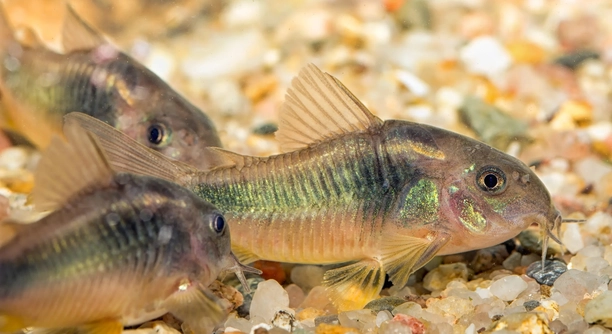
Maintaining good water quality is essential for the health and well-being of Corydoras catfish. These small, peaceful fish thrive in clean, stable environments. Poor water quality can lead to stress, illness, and even death in your fish.
To improve water quality, it’s crucial to regularly monitor parameters such as temperature, pH, ammonia, nitrites, and nitrates. Utilizing a good filtration system, performing water changes, and adding plants or substrates can also help maintain a balanced environment for Corydoras.
Ensuring the water quality in your Corydoras’ tank will create a healthier and more stable environment for your fish.
Regular Water Changes
Regular water changes are one of the most effective ways to maintain good water quality for your Corydoras catfish. Performing water changes removes waste and excess nutrients that can build up over time. Ammonia, nitrites, and nitrates accumulate in the tank and pose a threat to the health of your fish. By replacing a portion of the water weekly, you reduce the concentration of harmful substances, improving the overall environment.
Changing 20-30% of the water every week should be sufficient. If you notice any signs of poor water quality, such as cloudy water or visible stress in your fish, it may be necessary to increase the frequency of water changes. Make sure the replacement water is dechlorinated and at the same temperature as the tank to avoid shocking the fish.
In addition to improving water quality, water changes also help maintain stable pH levels and temperature, both crucial for Corydoras catfish. Regular water changes are an easy yet essential part of aquarium maintenance that supports a healthier and cleaner environment.
Filtration System
A good filtration system plays a key role in maintaining clean water for Corydoras catfish. The filter helps to remove debris and waste, preventing the build-up of harmful toxins.
Make sure your filter is appropriately sized for your tank. A filter that’s too small will not be effective in keeping the water clean, while an oversized filter can create too much current for your Corydoras, which prefer calm waters.
Proper Substrate Choice
Choosing the right substrate is important for maintaining water quality in a Corydoras tank. A fine, smooth substrate like sand is ideal for these bottom-dwelling fish. Gravel can be too rough and may harm their delicate barbels.
A soft substrate, such as fine sand, helps prevent injury to Corydoras while allowing them to forage comfortably. Sand also does not trap debris as easily as gravel does, making it easier to maintain clean water. It’s essential to rinse the substrate thoroughly before placing it in the tank to remove any dust or particles that could cloud the water.
Additionally, a sand substrate provides a natural environment for your Corydoras, which prefer to dig and sift through it in search of food. It also promotes the growth of beneficial bacteria that break down organic waste, helping to reduce toxins in the water. Proper substrate choice is a simple yet effective way to improve water quality.
Aquarium Plants
Adding plants to your Corydoras catfish tank improves water quality in several ways. Plants absorb excess nutrients, helping to reduce harmful compounds like nitrates. They also release oxygen into the water, creating a healthier environment for your fish.
Aquatic plants also provide hiding spots and resting areas for Corydoras. Plants like Java fern, Anubias, or Amazon sword are easy to care for and thrive in tanks with gentle currents. Their roots help anchor the substrate, further reducing debris accumulation.
In addition to improving water quality, plants also help balance the tank’s ecosystem. When properly maintained, plants work alongside filtration systems to provide an overall healthier, more stable environment for your Corydoras.
Temperature Regulation
Maintaining a stable temperature is essential for Corydoras catfish. These fish prefer water between 72-78°F (22-26°C), which mimics their natural environment. Temperature fluctuations can stress them out, compromising their immune system.
A reliable aquarium heater helps regulate the temperature. Be sure to monitor it regularly with a thermometer to ensure it remains within the ideal range. Corydoras can tolerate slight temperature changes, but large fluctuations can lead to illness or even death.
Consistent water temperature also supports beneficial bacteria in the filter, ensuring that the filtration process remains efficient. Maintaining proper temperature is simple yet vital for a thriving tank.
Ammonia and Nitrite Control
Ammonia and nitrites are toxic to Corydoras catfish, so controlling their levels is crucial. Ammonia is produced from fish waste and uneaten food, while nitrites are the byproducts of ammonia breakdown. Both can quickly build up in an aquarium if not managed properly.
To control ammonia and nitrites, ensure that your filtration system is efficient and that regular water changes are performed. Avoid overfeeding, as excess food can lead to an ammonia spike. Monitoring ammonia and nitrite levels with a test kit will give you a clear picture of your tank’s water quality. Keeping these toxins in check is key to a healthy environment for your fish.
Overcrowding
Overcrowding is another factor that can compromise water quality. Too many fish in a tank leads to an excess of waste, which can overwhelm the filtration system. This can result in higher levels of toxins in the water.
It’s important to maintain an appropriate stocking level in your aquarium to ensure that your filtration system can handle the waste load.
FAQ
How often should I change the water in my Corydoras tank?
Water changes should be done weekly, with 20-30% of the tank’s water replaced each time. This helps maintain optimal water quality by reducing harmful toxins like ammonia and nitrites. In tanks with higher fish loads, you may need to increase the frequency of water changes. If the water appears cloudy or there are signs of stress in your fish, it’s a good idea to do more frequent changes.
What is the ideal temperature for Corydoras catfish?
Corydoras catfish prefer water temperatures between 72-78°F (22-26°C). Keeping the temperature within this range helps maintain their health and well-being. Sudden temperature fluctuations can cause stress, so it’s important to use a reliable aquarium heater and monitor the water temperature regularly.
Can I keep Corydoras catfish with other fish?
Yes, Corydoras catfish are peaceful and can be kept with other non-aggressive fish. They do well in community tanks with species like tetras, guppies, and other small, peaceful fish. Avoid keeping them with aggressive species that may stress them or disturb their bottom-dwelling habits.
What is the best substrate for Corydoras catfish?
The best substrate for Corydoras is soft, fine sand. Sand allows them to sift through it comfortably without damaging their delicate barbels. It also prevents debris from getting trapped, helping to maintain water quality. Avoid sharp gravel, as it can injure the fish.
How can I prevent ammonia build-up in my tank?
To prevent ammonia build-up, make sure your filtration system is working properly and do regular water changes. Ammonia comes from fish waste and uneaten food, so avoid overfeeding and clean up any uneaten food promptly. Also, avoid overcrowding your tank, as too many fish can overwhelm the filter.
What kind of filter is best for a Corydoras tank?
A sponge filter or a gentle power filter works best for Corydoras catfish. These fish prefer calm water, so avoid filters that create strong currents. A sponge filter is a good option, as it provides biological filtration and aeration without disturbing the tank’s environment too much.
Do Corydoras catfish need a lot of oxygen?
Corydoras catfish require well-oxygenated water, but they are bottom-dwelling fish and do not need as much surface agitation as some other species. A properly functioning filter or aerator can help maintain oxygen levels. Ensuring that the water has good circulation is essential for their health.
What is the ideal pH level for Corydoras catfish?
Corydoras catfish prefer slightly acidic to neutral water with a pH between 6.0 and 7.5. It’s important to monitor the pH regularly to keep it stable. Rapid shifts in pH can stress your fish, so try to maintain a consistent level within this range for their well-being.
Can Corydoras catfish live in a tank without a lid?
Corydoras are not jumpers, so they can live in a tank without a lid. However, it’s still recommended to have a lid on the tank to prevent any other factors, like accidental spillage or external disturbances, that may cause stress to the fish. A secure tank environment benefits both the fish and the hobbyist.
What should I feed my Corydoras catfish?
Corydoras are omnivores and will eat a variety of foods, including sinking pellets, frozen or live foods like bloodworms, and occasional vegetables like peas or zucchini. It’s important to feed them sinking food to ensure they can access it at the bottom of the tank. Remove any uneaten food after a few hours to prevent water contamination.
Are Corydoras catfish good at cleaning the tank?
While Corydoras are bottom-dwellers and do help clean up leftover food, they should not be relied upon as the sole method of tank maintenance. They can help remove debris from the substrate, but a regular cleaning routine, including water changes and substrate vacuuming, is still essential for maintaining water quality.
How can I reduce nitrates in my Corydoras tank?
To reduce nitrates, do regular water changes, remove excess food, and avoid overfeeding. Adding live plants to your tank can also help absorb excess nitrates. A well-maintained filter and the proper stocking level will further help keep nitrate levels under control.
What is the lifespan of Corydoras catfish?
Corydoras catfish typically live between 5 to 7 years, depending on water quality, diet, and tank conditions. Proper care, including maintaining water quality and providing a proper diet, will help ensure they live a long, healthy life.
Do Corydoras catfish need a lot of space?
Corydoras do not require excessive space, but they do benefit from a tank with plenty of room to swim and explore. A 20-gallon tank is typically adequate for a small group. A larger tank will allow them to thrive and provide a more stable environment.
Why are my Corydoras catfish not eating?
If your Corydoras catfish are not eating, it could be due to stress from poor water quality, sudden temperature changes, or illness. Check the water parameters, make sure the tank is not overcrowded, and ensure they are receiving the right type of food. If the problem persists, consult a veterinarian.
Final Thoughts
Maintaining good water quality is crucial for the health and well-being of Corydoras catfish. These fish are sensitive to changes in their environment, and water conditions can significantly impact their longevity and behavior. Regular water changes, proper filtration, and monitoring of ammonia, nitrites, and nitrates are key to ensuring a stable and healthy aquarium. By keeping the tank clean and consistent, Corydoras will thrive and exhibit their natural, peaceful behavior.
Another important factor is the tank’s temperature and pH levels. Corydoras catfish prefer slightly acidic to neutral water, with temperatures ranging between 72-78°F (22-26°C). Providing a stable and comfortable environment helps reduce stress and encourages the fish to be more active and social. Keep an eye on these levels regularly to avoid sudden fluctuations, which could affect their health.
In conclusion, caring for Corydoras catfish involves more than just feeding and adding fish to a tank. It’s about creating an environment that mimics their natural habitat, with clean, oxygen-rich water, suitable tank mates, and proper care routines. By ensuring water quality, temperature, and a balanced tank environment, you’ll help your Corydoras live a long, healthy life in your aquarium. Regular maintenance and observation will go a long way in keeping your fish happy and vibrant.

Hello,
If you enjoy the content that we create, please consider saying a "Thank You!" by leaving a tip.
Every little bit helps us continue crafting quality advice that supports the health, happiness, and well-being of pets around the world, for pets of all shapes, sizes, and species.
We really appreciate the kindness and support that you show us!