
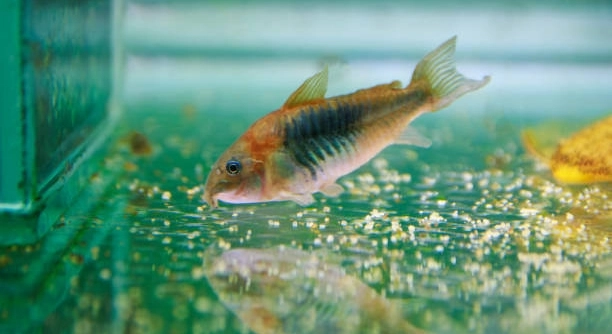
Do you ever find yourself watching your Corydoras and wondering if they actually notice the other fish swimming around them?
Corydoras catfish can recognize their tank mates through repeated exposure and shared experiences, displaying signs of social awareness such as grouping behavior, reduced aggression, and synchronized movement. These behaviors suggest a basic form of recognition.
Understanding these clues can help you build a better environment and strengthen the social well-being of your Corydoras.
7 Clues Your Corydoras Recognizes Its Tank Mates
Corydoras catfish are social fish that thrive in groups, and their behaviors can reveal if they recognize their tank mates. One common sign is shoaling, where they swim close together in a tight group. This behavior isn’t just instinctive—it also shows comfort and familiarity. If your Corydoras seeks out the same fish repeatedly or rests beside specific individuals, it’s a strong clue they recognize each other. Watching for mirrored movement is another helpful sign. When one fish swims in a certain pattern and others follow, it reflects a bond formed through consistent interaction. Reduced stress and less hiding are also positive indicators. A Corydoras that remains active and engaged in the presence of certain tank mates likely feels safe. You might even notice feeding patterns where specific fish eat peacefully near each other. These clues, while subtle, suggest social memory and recognition in your fish’s daily behavior.
Recognition isn’t always obvious, but with time, small patterns in behavior can show clear signs of familiarity.
Each tank is different, so observation is key. Pay attention to how your Corydoras acts around different fish, and note any behaviors that repeat. The more relaxed and consistent their actions, the more likely they are forming social bonds.
Why This Matters for Your Aquarium
A calm, social tank leads to healthier and more active Corydoras. Recognizing each other reduces stress and encourages more natural behavior.
When Corydoras feel secure, they explore more, show brighter colors, and engage in group behavior. Stress in fish can weaken their immune systems and make them more vulnerable to illness. Creating a consistent social group helps them feel safe. This is why it’s often recommended to keep Corydoras in groups of at least five or six. In smaller groups or when isolated, they may become withdrawn or less active. Recognizing tank mates allows them to build routines, like resting or scavenging together, which adds to their sense of safety. Adding or removing fish frequently can disrupt this balance, so stability is important. Avoid overcrowding, and ensure enough space for group movement. Watching your Corydoras interact can help you spot problems early—like aggression or stress—and adjust their environment before issues grow. Social bonds truly help them thrive.
How Group Size Affects Recognition
Keeping Corydoras in small groups can limit their ability to build social habits. Larger groups give them more chances to form bonds, recognize familiar fish, and feel secure in their surroundings.
In tanks with only two or three Corydoras, they may act skittish or hide more often. They depend on safety in numbers and feel more relaxed in groups of five or more. When housed in proper numbers, they’re more likely to explore openly, rest together, and engage in synchronized swimming. These actions suggest they’re aware of who’s around them. With time, they learn which fish behave calmly and which ones are disruptive. This recognition helps lower their stress levels. A stable group allows their personalities to show. You may even see playful nudging or side-by-side scavenging between specific individuals, hinting at a bond.
Smaller groups also struggle to maintain stable social behavior. Fish may become anxious or more reactive, making it harder to observe consistent recognition patterns. In contrast, well-sized groups offer more routine, leading to predictable and positive interactions. These stable conditions help them develop stronger recognition skills over time. Corydoras in the right group size show less stress, interact more often, and build trust with each other naturally, just through daily activities and familiarity.
Tank Layout and Hiding Spots Matter
An open tank layout without enough hiding spots can make Corydoras feel exposed and uneasy. Feeling unsafe can reduce social interaction and recognition behaviors.
Including driftwood, plants, and small caves helps your Corydoras feel secure. These features give them a sense of territory and allow for peaceful hiding when needed. A well-structured tank encourages natural social behaviors. When fish feel safe, they are more likely to gather with familiar tank mates rather than isolate themselves. Having areas where they can retreat and return from also creates routine, which supports recognition. Corydoras will often rest or feed near the same tank mates in these shared spaces. These routines help them feel comfortable and make their recognition behaviors more noticeable. With a secure layout, your Corydoras will show clearer social patterns, making it easier to identify bonds within the group. Proper setup plays a big role in social success.
Feeding Behavior and Recognition
Corydoras often show clear signs of recognition during feeding time. If they regularly swim toward certain tank mates or feed peacefully together, this is a strong indication they know who’s around them.
When food is dropped in the tank, Corydoras will often interact with the same fish, forming feeding groups. They seem to trust each other when eating, reducing any aggression. Observing your Corydoras at mealtime can reveal who they recognize most. They may even show patterns, swimming near specific tank mates to eat. Over time, familiarity with these groupings can become clear, as they feed more harmoniously with the same individuals.
Behavior During Water Changes
Changes in water conditions or maintenance work can impact how Corydoras recognize their tank mates. They may stick closer to those they’re familiar with for comfort.
When the tank is disturbed, Corydoras often seek out each other’s company for reassurance. During water changes or cleaning, you may notice them huddling together or staying near familiar fish. This behavior shows their comfort in proximity to other tank mates, suggesting they know and recognize who is around them. Even under stress, Corydoras will display social bonds, seeking security from their companions. These bonds help reduce anxiety in otherwise stressful situations.
Swimming Patterns and Movement
A Corydoras catfish’s swimming pattern can reveal a lot about its recognition of tank mates. Synchronized movements are a sign of strong familiarity.
If you notice that your Corydoras school together in perfect synchrony, it’s likely they recognize each other. The group movements indicate trust and recognition. When they follow the same path, it’s more than just instinct. It shows they have become familiar with each other’s actions. Over time, as your Corydoras interact more with the same fish, their movements will align more often. This synchronization reduces confusion and minimizes stress in the group.
FAQ
How do Corydoras show affection for other fish?
Corydoras don’t show affection the same way mammals do, but they do demonstrate attachment through their behavior. They tend to swim closely with familiar tank mates, often staying in groups or pairs. You might see them nudging or following one another, especially during feeding times. These actions suggest a level of recognition and comfort. Corydoras that are more familiar with each other may even rest in close proximity. This peaceful cohabitation is a sign of social bonds and indicates they recognize and feel secure around certain individuals.
Can Corydoras live with different species of fish?
Yes, Corydoras are peaceful bottom dwellers and can live with many types of fish. They generally thrive in community tanks with non-aggressive species. However, they may recognize their own species more easily and form bonds within their group. While they can coexist with other species, it’s important to ensure the tank mates don’t compete for food or space. Corydoras will often form shoals with their own kind, while remaining amicable with other species. The key to successful cohabitation is creating a peaceful, well-balanced environment for all the fish.
How do I know if my Corydoras are stressed?
Stress in Corydoras can be indicated by behavior changes such as hiding more often, being less active, or staying away from other fish. They might also swim erratically or appear sluggish. Stressed Corydoras may show signs of physical issues like faded colors or damaged fins. Frequent hiding or reduced feeding activity can signal discomfort. Changes in tank conditions, overcrowding, or incompatible tank mates can cause stress. If your Corydoras are showing signs of stress, it’s essential to adjust their environment, check water parameters, and ensure they have proper tank mates to reduce anxiety.
Do Corydoras need other Corydoras to be happy?
Corydoras are social fish, and while they can survive alone, they are much happier and healthier in groups. Having other Corydoras around allows them to display natural behaviors like shoaling, which provides security. They rely on the comfort of numbers, and a lack of other Corydoras can lead to stress or loneliness. The ideal group size is five or more, as this mimics their natural environment where they would swim in larger schools. A group provides a safer and more enjoyable environment, encouraging the fish to display natural social behaviors and reducing stress.
What happens if Corydoras are kept alone?
If kept alone, Corydoras may experience stress, become less active, or exhibit signs of loneliness. These fish are naturally social, and being alone can lead to behaviors like hiding, poor feeding, and a lack of interaction with other fish. They rely on the company of others for comfort and safety. In the wild, Corydoras would be found in large schools, so keeping them in isolation can significantly affect their well-being. For their happiness and health, it’s best to keep at least a few Corydoras together, as they feel more secure and act more naturally.
How long does it take for Corydoras to recognize their tank mates?
Corydoras can start recognizing their tank mates after a few days to weeks. They rely on consistent interaction and shared experiences to build recognition. If they are housed in a stable group, they will begin to learn the presence and behavior of other fish over time. Social recognition typically strengthens as they feed together, swim in the same areas, and engage in other activities. The more time they spend in the same environment, the more likely they are to remember and recognize their companions. However, the process can vary depending on the number of fish and the dynamics of the tank.
Do Corydoras fight with each other?
Corydoras are generally peaceful and non-aggressive. However, there can be minor squabbles, especially if they are housed in too small a group or if the tank is overcrowded. Some territorial behavior might occur if there aren’t enough hiding spots or if fish feel stressed. This behavior is more common among males, especially when competing for food or space. In a well-maintained tank with enough space, Corydoras will typically get along without any significant aggression. Providing plenty of hiding spots and maintaining a balanced group size will minimize conflict between your fish.
Can Corydoras live in a tank with shrimp?
Yes, Corydoras can live with shrimp, but there are a few considerations to keep in mind. Corydoras are peaceful fish, and while they won’t typically harm adult shrimp, they may disturb small shrimp or their young. It’s important to ensure that there are plenty of hiding spots for the shrimp to take refuge in. Additionally, Corydoras could potentially nibble on leftover food that may attract shrimp, so it’s essential to maintain a clean tank to avoid competition for food. Larger shrimp species, such as Amano shrimp, are typically better suited for living with Corydoras than smaller species.
How do I ensure Corydoras recognize their tank mates?
To ensure Corydoras recognize their tank mates, provide a stable environment with consistent tank mates. Corydoras need time to get used to the fish they live with, so frequent changes in tank composition can hinder their ability to form bonds. Keep the water conditions stable and maintain a proper group size of at least five Corydoras to allow them to build familiarity with each other. Additionally, ensure they have plenty of space and hiding spots. Over time, you will notice your Corydoras behaving more confidently and recognizing the fish they are most familiar with.
Final Thoughts
Corydoras catfish are social creatures that thrive when they have other fish to interact with. Their recognition of tank mates isn’t just about survival; it’s a key part of their overall well-being. By observing their behavior, such as swimming together, feeding in groups, and resting close to one another, you can get a clear sense of how they recognize their companions. This social interaction helps them feel secure and reduces stress, which is important for their health. Understanding these behaviors can make it easier to maintain a happy and balanced tank.
When setting up a tank for Corydoras, it’s important to keep in mind that they are more than just bottom dwellers. They need a group of their own kind to form bonds and develop social routines. Larger groups are better because they allow for natural behavior, like shoaling and synchronized swimming, which show that the fish recognize each other. A peaceful tank setup, with enough space and hiding spots, also makes a big difference in how comfortable they feel. Stress from overcrowding, poor water conditions, or incompatible tank mates can lead to anxiety, which impacts their ability to interact with others.
Taking the time to observe your Corydoras can reveal a lot about their social nature. If you notice consistent patterns in how they behave around certain fish, you can be sure they are recognizing their tank mates. Creating an environment that supports these behaviors will not only keep your Corydoras happy but also ensure they stay healthy. A stable group size, proper tank setup, and careful monitoring of their interactions all play a role in fostering strong social bonds among your fish.

Hello,
If you enjoy the content that we create, please consider saying a "Thank You!" by leaving a tip.
Every little bit helps us continue crafting quality advice that supports the health, happiness, and well-being of pets around the world, for pets of all shapes, sizes, and species.
We really appreciate the kindness and support that you show us!