
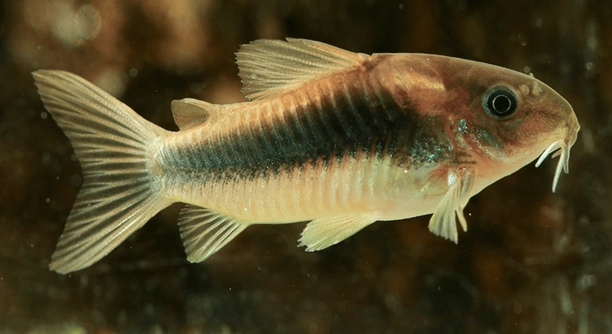
Corydoras catfish are charming little creatures in the aquarium world, known for their playful behavior. If you’ve noticed your catfish swimming in quick, short movements, you’re not alone. This behavior can be puzzling to some fish keepers.
The quick, short movements your Corydoras exhibit are often due to a variety of factors, including stress, discomfort, or even their natural behavior. This movement is their way of exploring and interacting with their environment, especially when they feel excited or nervous.
There are multiple reasons behind this swimming style, ranging from water quality issues to their instinctual responses. Understanding these behaviors will help you keep your Corydoras happy and healthy in your aquarium.
Stress and Anxiety
When Corydoras catfish feel stressed or anxious, they often react with erratic, quick movements. This is their way of showing discomfort or unease. Stress can be triggered by various factors such as sudden changes in their environment, poor water conditions, or aggressive tank mates. These short bursts of movement may appear alarming, but they are a natural response to anxiety.
Poor water quality is often a key factor in causing stress for these fish. If ammonia or nitrite levels are high, or the water temperature fluctuates too much, Corydoras may exhibit these movements as a way of trying to escape from discomfort. Another stressor could be overcrowding, which limits their personal space.
It’s important to keep their tank clean and stable. Regular water changes, proper filtration, and monitoring water parameters like temperature and pH can help reduce stress. Additionally, having a tank with appropriate hiding spots gives them a chance to feel safe and secure. By addressing these issues, your Corydoras can relax and return to their calm swimming behavior.
Illness or Injury
Quick, erratic movements may also indicate that your Corydoras is sick or injured. Fish are good at hiding their discomfort, so noticing changes in behavior can be an early sign of a problem.
Infections or wounds can make swimming painful for them. If they swim erratically or avoid certain areas of the tank, it may be time to check for signs of injury or illness. Look for changes in their appearance, such as skin lesions, swelling, or abnormal markings.
A thorough inspection of their environment can help identify any potential hazards. Things like sharp objects, poor water conditions, or incompatible tank mates can lead to injury. Additionally, some diseases, like parasites or bacterial infections, can cause Corydoras to exhibit quick, short movements. If you suspect your catfish is sick, it’s best to isolate them in a quarantine tank and consult a veterinarian. With proper treatment, Corydoras can recover and return to normal behavior.
Temperature Fluctuations
Corydoras are sensitive to changes in water temperature, and quick movements are a common sign that the water is either too hot or too cold. Rapid shifts in temperature can stress them out, causing erratic behavior. Maintaining a steady, appropriate temperature is key to their well-being.
If the water temperature swings too much, Corydoras may swim more quickly and appear restless. It’s important to keep the tank temperature within their preferred range, typically between 72°F and 78°F (22°C to 26°C). Using a reliable aquarium heater and thermometer can help maintain consistency. Fluctuations due to environmental changes, such as moving the tank or adjusting the heater, can cause discomfort. You’ll notice your fish being more active and swimming in short bursts to seek comfort or avoid the stress.
To prevent temperature-related issues, avoid placing the tank in areas with drafts or direct sunlight. Also, make sure the heater is working properly and provides even warmth across the tank. Keeping your tank at a steady temperature will help your Corydoras feel at ease and reduce those quick, short movements.
Overfeeding
Overfeeding your Corydoras can lead to several problems, one of which is behavior changes like quick swimming movements. Excess food can cause the water to become polluted, which in turn stresses the fish. When Corydoras are overfed, they may swim around quickly in search of food or as a sign of discomfort.
Excess food decomposes and releases harmful substances like ammonia into the water. This creates an unhealthy environment and may lead to erratic behavior in your fish. Corydoras may also try to consume any leftover food, but this can be damaging to their health. Overfeeding can cause bloating and digestive issues, which result in quicker movements as they try to relieve discomfort.
To avoid overfeeding, feed your Corydoras small portions of food that they can consume within a few minutes. Remove any uneaten food after feeding. This will help maintain water quality and keep your fish from experiencing stress. A consistent feeding schedule with the right amount of food is essential for a healthy tank and calmer behavior in your Corydoras.
Poor Water Quality
Poor water quality is a common cause of stress for Corydoras. High levels of ammonia, nitrites, or nitrates can lead to erratic swimming. This can cause your fish to move in quick bursts, trying to escape the harmful conditions. Regular water testing is essential.
Water quality issues can stem from a lack of proper filtration, overcrowding, or inadequate water changes. Poor filtration allows harmful substances to build up, while overcrowding increases waste production. If water parameters are off, Corydoras may react by swimming rapidly or near the surface, trying to avoid pollutants. Keeping the water clean is essential for their health.
To maintain good water quality, regularly test your tank for ammonia, nitrites, and nitrates. Perform weekly water changes and ensure the filtration system is running efficiently. A clean environment helps your fish feel safe, reducing stress and promoting natural swimming behavior.
Tank Mates
Aggressive or overly active tank mates can disturb your Corydoras, causing them to swim in quick, short bursts. Fish that invade their space or compete for food may make your catfish feel threatened. It’s important to keep peaceful companions with your Corydoras.
Some species may chase or bully Corydoras, leading to heightened stress and erratic movements. Corydoras thrive in peaceful, community tanks with other non-aggressive species. If your tank mates are too aggressive, your catfish may feel trapped and respond by darting around the tank. To minimize this, choose tank mates that share similar temperaments.
Consider keeping Corydoras with species like guppies, tetras, or other small, calm fish. Avoid aggressive fish like cichlids or large species that might intimidate your catfish. A balanced tank with peaceful companions ensures your Corydoras feel safe and comfortable, reducing erratic swimming.
Natural Behavior
Corydoras catfish are naturally active and enjoy exploring their environment. Their quick, short movements are often just part of their normal behavior. They are bottom dwellers, but may also dart around in search of food or to interact with their surroundings.
Even in optimal conditions, Corydoras may exhibit these movements. It’s simply their way of investigating the tank, especially when they are excited or curious. Unlike other fish that swim continuously, Corydoras take short bursts of movement, often stopping to rest and explore again. Understanding this behavior is important for recognizing when something is wrong versus when they are just being playful.
FAQ
Why do my Corydoras swim in circles?
Corydoras catfish sometimes swim in circles due to stress, illness, or simply exploring their environment. If they feel threatened or discomforted by tank conditions, they may move in a circular pattern, trying to escape or search for better conditions. However, it’s also a common behavior when they are actively foraging or interacting with other fish. If this behavior persists, it’s essential to check the water quality and ensure they are not being harassed by tank mates.
How can I calm down my Corydoras catfish?
To calm your Corydoras, focus on reducing stress factors. Ensure the tank is clean, maintain stable water temperature, and check for proper filtration. Adding hiding spots and ensuring that tank mates are peaceful can also help. If they are stressed due to overcrowding, consider adjusting the tank size or removing some fish. Keep their environment peaceful and consistent for a more relaxed behavior.
Is it normal for Corydoras to swim rapidly after feeding?
Yes, Corydoras often swim rapidly after feeding. They tend to get excited when food is introduced to the tank and may dart around quickly in anticipation. This behavior is normal, as they are bottom-dwelling fish that are used to quickly finding and eating food in their natural habitat. However, if it continues for long periods, it could be an indication of stress or poor water quality.
Why do Corydoras swim near the surface?
Corydoras typically swim near the surface if the oxygen levels in the tank are low. As bottom dwellers, they usually prefer the lower parts of the tank, but a lack of oxygen may force them to surface for air. This could also indicate a problem with your filtration or water quality. Check for proper aeration and ensure the water is well-oxygenated.
Can Corydoras get along with other fish?
Yes, Corydoras are peaceful fish and generally get along with most other species, especially those that are similarly calm. They work best in community tanks with other non-aggressive species. However, aggressive fish may stress them out and cause them to swim erratically. Always select compatible tank mates to keep your Corydoras happy.
How do I know if my Corydoras is sick?
If your Corydoras is swimming erratically, staying near the surface, or showing signs of physical damage, it could be ill. Look for other symptoms like faded colors, bulging eyes, or clamped fins. Corydoras may also stop eating or display unusual movements, such as swimming in circles or lying on their sides. When in doubt, isolate the affected fish and consult a vet or aquarist for further diagnosis.
What causes Corydoras to swim sideways or upside down?
Swimming sideways or upside down can be a sign of a serious health issue, such as swim bladder disease. This condition affects the fish’s ability to maintain buoyancy and can be caused by infections, injury, or poor water quality. If this behavior persists, it’s important to investigate further and consider providing treatment for swim bladder disorder.
Do Corydoras need a lot of space to swim?
Corydoras don’t require a vast amount of swimming space, as they are bottom-dwelling fish. However, they still need enough room to move around and explore. A tank that is too small or overcrowded can lead to stress, which results in erratic movements. A 20-gallon tank or larger is ideal for a group of Corydoras, providing enough space for them to feel comfortable.
How can I improve water quality for my Corydoras?
To improve water quality, perform regular water changes, test for ammonia, nitrites, and nitrates, and ensure your filtration system is functioning properly. Corydoras are particularly sensitive to poor water conditions, so maintaining stable water parameters is essential. Adding live plants can help absorb excess nutrients and improve oxygen levels in the tank.
What should I do if my Corydoras is not eating?
If your Corydoras isn’t eating, first check the water quality to ensure there are no issues affecting their appetite. Corydoras are bottom feeders, so make sure to provide sinking food that they can find easily. If they continue to refuse food, it may be a sign of illness or stress. Isolate the fish if necessary, and consult a professional for advice.
Can Corydoras catfish be kept in a tank with other bottom dwellers?
Yes, Corydoras can be kept with other bottom-dwelling fish, as long as they are non-aggressive. Species like loaches or small catfish can coexist with Corydoras, as they tend to keep to their own territory and don’t compete much for food. However, ensure there is enough space and hiding spots for everyone to reduce territorial disputes.
How can I tell if my Corydoras is happy?
Happy Corydoras swim freely, explore the substrate, and interact with other fish. They will display natural behaviors like foraging for food or swimming in small schools. If your fish is swimming erratically, hiding constantly, or showing signs of stress, they may not be happy. Keep an eye on their overall activity and behavior to ensure they are comfortable.
Are Corydoras active at night?
Corydoras are primarily nocturnal, meaning they are most active during the night. This is when they feel safest to forage for food and explore their environment. However, they will also be active during the day, especially if the tank is well-lit or they are searching for food. Expect them to be more active in the evening or when there’s a food source nearby.
Final Thoughts
Corydoras catfish are active and curious creatures, and their quick, short movements are often part of their natural behavior. While it may seem unusual at first, these movements are typically harmless and can be linked to a variety of factors like stress, excitement, or exploring their surroundings. However, understanding the causes of this behavior is crucial for ensuring that your Corydoras remain healthy and comfortable in their environment. Regular monitoring of water quality, maintaining a balanced tank, and providing enough space for these bottom dwellers can help keep their behavior in check.
It’s important to pay attention to any changes in your Corydoras’ movements, as they may be a sign of discomfort or potential health issues. Erratic swimming or staying near the surface for extended periods could point to problems such as poor water quality, high ammonia levels, or an injury. In some cases, Corydoras might be swimming rapidly as a response to stress from incompatible tank mates. If you notice signs of illness or stress, addressing the root cause as quickly as possible will make a difference in their well-being. By making sure their environment is stable and peaceful, you’ll help your Corydoras thrive.
By creating the right environment and responding to changes in their behavior, you can ensure that your Corydoras enjoy a long, healthy life in your tank. A well-maintained aquarium with good water conditions, appropriate tank mates, and a balanced feeding schedule will help your fish feel secure and reduce the likelihood of stress-induced behavior. Understanding and managing the factors that affect your Corydoras’ movements can make your experience as an aquarium keeper more rewarding. Ultimately, these little catfish are resilient and can adapt to their surroundings when properly cared for.

Hello,
If you enjoy the content that we create, please consider saying a "Thank You!" by leaving a tip.
Every little bit helps us continue crafting quality advice that supports the health, happiness, and well-being of pets around the world, for pets of all shapes, sizes, and species.
We really appreciate the kindness and support that you show us!