
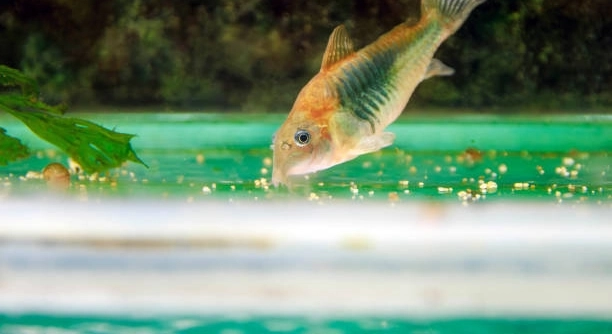
Are your Corydoras catfish not showing signs of breeding despite your efforts to set up the perfect tank environment? Small adjustments in their habitat can make a big difference when encouraging successful spawning.
Improving tank conditions for Corydoras catfish breeding involves maintaining optimal water parameters, providing soft substrate, adding live plants, and mimicking natural rainy season cues. These steps help trigger spawning behavior and ensure healthier eggs and fry.
Understanding the right tank setup can support natural breeding instincts and lead to more consistent results with your Corydoras catfish.
Maintain Consistent Water Parameters
Keeping the water clean and stable is one of the most important steps when preparing for Corydoras breeding. These catfish prefer soft, slightly acidic water, usually with a pH between 6.0 and 7.0 and a temperature range of 72–78°F. Regular partial water changes help control nitrate buildup and support healthy conditions. Using a reliable heater and thermometer allows you to maintain a steady temperature, which helps avoid stress. Adding an air stone or sponge filter also ensures proper oxygenation without creating strong currents. Corydoras are sensitive to fluctuations, so test the water regularly for ammonia, nitrites, and nitrates. Keeping these levels as close to zero as possible provides a safe space for both adults and developing fry. Avoid using harsh chemicals or medications during this time. A calm, clean tank with the right parameters encourages more stable breeding behavior and improves the health of the fish long-term.
Small changes in pH or temperature can disrupt breeding behavior and stress the fish. Monitoring and adjusting conditions gradually helps them adapt without problems.
Stability matters more than perfection. Once your tank consistently meets the preferred parameters, the fish will feel more secure. This sets the stage for healthy courtship and egg-laying. Aim to test water twice weekly during breeding preparation.
Use a Soft, Sandy Substrate
Corydoras have delicate barbels that can get damaged easily on rough or sharp substrates. A fine, soft sand is best.
Sand mimics the natural riverbeds Corydoras come from and helps them forage without injury. It also makes it easier for them to engage in spawning behavior near the bottom. Sharp gravel or coarse substrate can cause irritation or infections to their sensitive undersides and barbels. Over time, this leads to stress and reduced breeding interest. A layer of clean, well-rinsed play sand or aquarium-specific soft sand gives them a comfortable base. It also makes it easier to spot uneaten food and clean the tank efficiently. Avoid compacting the sand, as this can trap debris and cause harmful gas buildup. Gently stir the top layer during maintenance to keep it healthy. A good substrate improves not just breeding success but overall activity, as the fish will be more confident and active in their environment.
Provide Ample Hiding Spaces
Corydoras feel more comfortable and secure when they have plenty of places to hide. This reduces stress and helps create a calmer tank environment, which encourages natural breeding behavior.
Use live or silk plants, driftwood, and caves to create gentle hiding spots across the tank. Try to scatter them throughout the space instead of grouping everything in one corner. This layout gives the fish more freedom to move and explore. Shaded areas also allow females to rest and recover after spawning. When fish feel safe, they are more likely to display normal courtship behavior. Be sure not to overcrowd the tank with decorations, as Corydoras still need open space for schooling and laying eggs. Keep a balance between cover and swim room to maintain activity. A peaceful environment supports better breeding results and helps prevent aggression or stress from dominant tank mates.
Hiding areas also protect the eggs after spawning. Once the eggs are laid, Corydoras don’t guard them, so having cover helps shield the eggs from being eaten by other tank inhabitants. Some breeders even use removable breeding mats or mesh structures to separate and protect eggs. The more protected the area, the better the chances of hatching success.
Mimic Rainy Season Conditions
Simulating rainy season cues can naturally trigger breeding. In the wild, Corydoras spawn after heavy rains, when temperatures drop slightly and fresh water flows in.
To recreate this, perform small, frequent water changes using cooler dechlorinated water, about 2–3°F lower than the tank’s current temperature. Do this daily for a few days in a row. The slight drop in temperature, along with the clean water, signals to the fish that it’s time to spawn. Keep lighting soft and reduce sudden changes in brightness. Pair these adjustments with high-protein foods to increase energy and encourage egg production. Avoid dramatic swings, and monitor the fish for signs of stress. When done properly, this method is effective and aligns with their natural rhythms, helping you increase breeding chances without using any chemical additives or artificial triggers. Patience is key—some fish respond quickly, while others may take more time.
Increase Oxygenation in the Tank
Higher oxygen levels support healthier fish and better breeding behavior. Use an air stone or sponge filter to increase surface agitation, which helps oxygen dissolve into the water more efficiently and keeps conditions stable.
Adding live plants also helps boost oxygen naturally during the day. Choose low-light plants like java fern or anubias that won’t crowd the tank but still improve water quality and oxygenation.
Offer a High-Protein Diet
Feeding your Corydoras a protein-rich diet helps condition them for breeding. Live or frozen foods like bloodworms, daphnia, and brine shrimp are excellent options. These foods are more nutritious than standard flakes and stimulate natural foraging behavior. Feed smaller portions two to three times a day to keep the fish active without overfeeding. A well-fed pair is more likely to spawn, and the female will have more energy for egg production. Rotate between food types to give a balanced diet, and always remove any uneaten portions to avoid water quality issues. Proper nutrition is essential for maintaining health during the breeding process.
Keep the Tank Peaceful
Avoid housing Corydoras with aggressive or fast-swimming species during breeding. Stress from tank mates can interrupt spawning and reduce overall breeding success. Choose calm species or use a separate breeding tank for better control.
FAQ
What is the best water temperature for Corydoras breeding?
The ideal water temperature for Corydoras breeding is between 72–78°F. Keeping the temperature stable within this range helps promote their natural spawning behavior. If the temperature rises too high, it may stress the fish and make breeding less likely. A stable, moderate temperature is key for successful breeding.
How can I tell if my Corydoras are ready to breed?
Corydoras typically show signs of readiness to breed when the males become more active, chasing the females around the tank. The female will appear fuller, with a slightly rounded belly as she carries eggs. Males often follow closely behind, nudging the female’s belly to encourage egg-laying. Once these behaviors begin, it’s a good sign that they are preparing to spawn.
Can I use a separate breeding tank for Corydoras?
Yes, setting up a separate breeding tank can be very beneficial. A smaller, well-maintained tank allows you to control the water conditions more easily. This reduces the risk of stress from tank mates and helps ensure the fish are in an ideal environment for breeding. It’s important to replicate the same conditions as the main tank, including temperature, water hardness, and substrate.
How often should I feed Corydoras when trying to breed them?
During the breeding period, feed your Corydoras high-protein foods such as live or frozen bloodworms, brine shrimp, and daphnia. Offer food two to three times a day in small portions. Overfeeding can lead to water quality issues, so ensure that any uneaten food is removed promptly. A nutritious diet helps condition the fish for successful breeding.
Should I use a filter in a breeding tank?
A sponge filter is a great choice for a breeding tank. It gently circulates the water without creating strong currents, which can stress the fish. It also helps oxygenate the water and maintain water quality without disturbing the eggs. Avoid using strong filters, as they may suck up eggs or cause turbulence in the tank.
Can I use chemicals to induce Corydoras breeding?
It’s best to avoid using chemicals to trigger breeding. Instead, mimic natural conditions, such as changing the water temperature and performing regular water changes, to encourage spawning. Chemical additives can harm the fish and negatively affect water quality. Creating a comfortable and stable environment is the safest approach for successful breeding.
How do I collect Corydoras eggs once they are laid?
After spawning, Corydoras usually lay their eggs on surfaces like plants, tank glass, or decorations. You can gently remove the eggs using a clean, soft brush or small siphon. Transfer them to a separate breeding container with similar water conditions to protect the eggs from being eaten by other tank mates. Keep the water in the breeding container clean, and avoid disturbing the eggs.
What should I do if the eggs don’t hatch?
If the eggs do not hatch after a few days, check the water parameters such as temperature, oxygen levels, and pH. Unfavorable conditions can prevent hatching. In some cases, the eggs may be infertile, and it’s normal for some to fail. Ensure the tank is free of contaminants, and continue to monitor the eggs for signs of fungus. If fungal growth occurs, remove the affected eggs immediately to prevent it from spreading.
How long does it take for Corydoras eggs to hatch?
Corydoras eggs typically hatch within 3 to 6 days, depending on the water temperature and conditions. Higher temperatures can speed up the hatching process, while cooler temperatures may slow it down. Be patient, and keep the water clean and well-oxygenated to encourage successful hatching. Once the eggs hatch, the fry will become free-swimming after a few days.
Can Corydoras breed without a mate?
No, Corydoras cannot breed without a mate. Both males and females are needed to produce eggs. The male’s role is to fertilize the eggs once the female lays them. Having at least one male and one female in your tank is essential for breeding. Without both, the female will not lay fertilized eggs, and no offspring will be produced.
What is the best substrate for Corydoras breeding?
A soft, fine sand substrate is ideal for Corydoras breeding. It allows the fish to dig and forage without causing harm to their sensitive barbels. Avoid sharp or rough substrates like gravel, as these can damage the fish. Sand also helps with cleaning the tank, as debris can be easily siphoned without disturbing the substrate. It’s important to maintain a thin layer of sand to prevent compacting, which can cause problems with water circulation.
How long does it take for Corydoras fry to grow into adults?
Corydoras fry grow relatively quickly compared to other fish. Typically, it takes around 6 to 8 weeks for the fry to become juveniles, and about 4 to 6 months for them to reach full maturity. During this time, they require a high-protein diet, clean water, and stable conditions. Regular water changes and feeding small amounts several times a day will help ensure the fry grow healthily.
Can Corydoras breed in a community tank?
Yes, Corydoras can breed in a community tank, but it may be harder to control the environment and reduce stress. Aggressive or fast-moving fish can disrupt the breeding process. If you choose to breed them in a community tank, ensure that the tank mates are peaceful and won’t disturb the Corydoras. It’s often easier to breed Corydoras in a separate tank where water conditions can be better controlled.
What should I do if the Corydoras fry aren’t growing?
If the fry are not growing, check the water parameters and make sure they are stable. Ensure the fry are getting enough food by offering small, frequent meals of high-protein foods like baby brine shrimp or finely crushed pellets. Poor water quality or lack of nutrition can stunt their growth. Make sure to keep the fry in a well-maintained tank with gentle filtration to promote healthy development.
Final Thoughts
Breeding Corydoras catfish requires attention to detail and patience. By creating the right environment and maintaining optimal water conditions, you can improve the chances of successful breeding. Providing a stable temperature, proper filtration, and a high-quality diet will ensure that both the adults and fry remain healthy. Regular water changes and monitoring of water parameters are key to preventing stress and supporting natural behaviors. Keep in mind that Corydoras are sensitive to sudden changes, so maintaining consistency in their environment is crucial for breeding success.
It’s also important to remember that Corydoras breeding may take time. Not every attempt will result in immediate success. However, with the right approach, such as maintaining peaceful tank conditions and offering nutritious food, you will increase the likelihood of breeding. By understanding their needs and adjusting care accordingly, you can support their natural instincts and foster a healthy breeding process. Pay attention to signs that indicate readiness to breed, like the male’s increased activity or the female’s full belly, and provide the right conditions to help facilitate spawning.
In the end, Corydoras are rewarding to breed. They’re relatively easy to care for, but their breeding process does require effort and attention. With some planning, patience, and the right tank setup, you’ll be able to enjoy the process of watching these fascinating fish breed and raise their young. Whether you’re just starting out or looking to improve your breeding success, following these guidelines will help you create the best conditions for Corydoras breeding in your tank.

Hello,
If you enjoy the content that we create, please consider saying a "Thank You!" by leaving a tip.
Every little bit helps us continue crafting quality advice that supports the health, happiness, and well-being of pets around the world, for pets of all shapes, sizes, and species.
We really appreciate the kindness and support that you show us!