
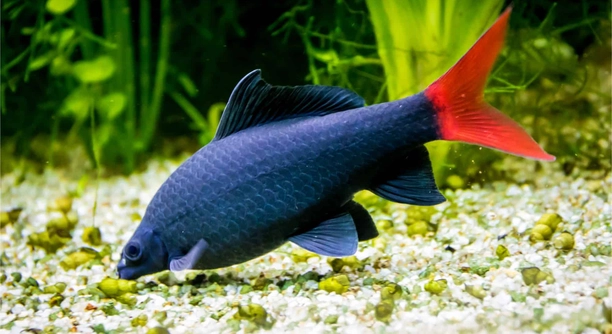
Rainbow sharks are popular freshwater fish known for their vibrant colors and active behavior. Many owners want to provide the best care to keep them healthy and thriving. One important aspect is ensuring their diet meets their nutritional needs.
Improving the diet of your rainbow shark involves offering a balanced variety of foods, including high-quality pellets, live or frozen protein sources, and occasional plant matter. A well-rounded diet supports growth, coloration, and overall health in these fish.
These simple changes can make a big difference in your fish’s well-being and lifespan. Following these tips will help you provide a healthier environment for your rainbow shark.
Choose High-Quality Pellets
Choosing high-quality pellets is essential for your rainbow shark’s diet. These pellets should be specifically made for carnivorous or omnivorous fish to ensure they get the right nutrients. Avoid pellets with too many fillers or artificial additives, as they can reduce the nutritional value. Look for pellets rich in protein and with added vitamins. Feeding pellets that sink slowly allows your shark to eat comfortably near the tank bottom, where it usually feeds. Consistent feeding with quality pellets helps maintain your fish’s vibrant colors and energy levels. Keep an eye on how much your fish eats to avoid overfeeding, which can lead to water quality issues. It’s best to feed small amounts two to three times a day to promote healthy digestion and reduce waste in the aquarium. Overall, pellets form the diet’s foundation and should be selected carefully for the best results.
Feeding a balanced pellet diet regularly supports your rainbow shark’s health and keeps it active.
A proper pellet choice reduces the risk of nutritional deficiencies and keeps your fish looking its best. It also simplifies feeding routines, making care easier for you. High-quality pellets ensure your rainbow shark receives steady energy and important nutrients. Supplementing with other food types improves diet variety but good pellets remain the base of daily feeding.
Add Live or Frozen Protein Sources
Including live or frozen protein in your rainbow shark’s diet improves nutrition and stimulates natural hunting behavior. Protein sources such as bloodworms, brine shrimp, or daphnia provide essential nutrients not always found in pellets. Live foods encourage activity, while frozen options are convenient and safer from parasites. Offering protein two to three times a week enhances muscle growth and overall vitality. Introducing these foods gradually helps your fish adjust. Avoid overfeeding protein to prevent digestive problems and water pollution. Carefully thaw frozen foods before feeding and remove any leftovers promptly. Regularly varying protein sources benefits your fish’s immune system and adds excitement to mealtime. These natural food options complement pellets and improve diet balance.
Live or frozen foods boost nutrition and encourage healthy activity.
Providing live or frozen proteins helps mimic the rainbow shark’s natural diet and promotes well-being. These foods supply amino acids and fats necessary for repair and energy. They also increase interest in feeding, especially for picky eaters. Keeping a mix of protein sources prevents boredom and supports growth. When combined with pellets and plant matter, protein supplements complete the nutritional profile. Ensuring freshness and moderation in feeding maintains water quality and fish health. These additions also help your fish maintain bright coloration and strong immune function over time. Offering protein regularly supports a balanced and healthy diet for your rainbow shark.
Include Plant Matter in Their Diet
Rainbow sharks benefit from some plant matter in their diet. Adding vegetables or algae helps support digestion and adds variety. Good choices include blanched spinach, zucchini, or spirulina-based flakes.
Including plant matter balances the diet by providing fiber and essential nutrients. It aids digestion and helps prevent constipation, which can be a common issue. Vegetables should be prepared properly, usually blanched, to soften them for easier consumption. Algae wafers or flakes with spirulina are also convenient options that supply vitamins and minerals. Feeding plant matter a few times a week complements the protein-heavy diet and keeps your fish healthy.
Vegetables should be given in small amounts to avoid water quality issues. Rotate different plant foods to keep meals interesting. This addition supports gut health and overall vitality. It also mimics some natural feeding behavior since rainbow sharks sometimes graze on plants or algae in their environment.
Monitor Feeding Amounts Closely
Overfeeding can cause water pollution and health problems for your rainbow shark. Carefully monitor how much you feed daily.
Controlling the portion size prevents leftover food from decomposing and causing harmful ammonia spikes. Feed only what your fish can eat within a few minutes. Excessive food intake may lead to obesity or digestive trouble, so keeping portions moderate is essential. Use a consistent feeding schedule to establish routine and avoid overfeeding out of habit. If unsure, it is safer to underfeed slightly rather than risk excessive waste in the tank.
Keeping track of feeding amounts also helps you notice changes in appetite that could signal health issues. Regular observation allows timely adjustments to diet or tank conditions. Proper portion control supports water quality, fish health, and aquarium cleanliness, making care easier and more effective for you.
Avoid Overfeeding
Overfeeding can harm your rainbow shark by causing poor water quality and health issues. Feed small portions and remove uneaten food promptly to maintain a clean tank environment.
Consistent portion control helps prevent obesity and digestive problems. It also reduces waste buildup, making tank maintenance easier and keeping your fish healthy over time.
Provide Variety in Diet
Offering a variety of foods ensures your rainbow shark receives a full range of nutrients. Mix pellets, live or frozen protein, and plant matter to keep their diet balanced. Variety also prevents boredom and encourages natural feeding behavior, supporting overall health and coloration.
Use Fresh Foods
Fresh foods retain more nutrients and are safer for your fish. Always check expiration dates and avoid feeding spoiled or old food, which can cause illness or poor appetite.
Maintain Clean Feeding Area
Keeping the feeding area clean reduces leftover food and waste buildup. Remove uneaten food after feeding to prevent water contamination and keep your rainbow shark’s environment healthy.
How often should I feed my rainbow shark?
Feeding your rainbow shark two to three times daily is ideal. Small, frequent meals help maintain digestion and energy without overloading the tank with uneaten food. Each feeding should last only a few minutes, giving your fish enough time to consume the portion without leftovers. Consistency in feeding times also helps your fish develop a routine, reducing stress and promoting a healthy appetite. Avoid feeding once daily or too infrequently, as this can lead to nutrient deficiencies or overeating when food is offered.
What types of pellets are best for rainbow sharks?
Look for pellets labeled for carnivorous or omnivorous fish with high protein content. Avoid pellets with too many fillers, artificial colors, or low-quality ingredients. Pellets that sink slowly work well since rainbow sharks prefer feeding near the bottom. Some brands add vitamins and minerals to support coloration and immune health, which is beneficial. Choosing reputable brands known for quality ingredients ensures better nutrition and fewer health problems in the long run.
Can rainbow sharks eat vegetables?
Yes, including vegetables like blanched spinach, zucchini, or peas can benefit rainbow sharks. Plant matter adds fiber, aiding digestion and preventing constipation. Algae wafers or spirulina flakes also provide nutrients and variety. Introduce vegetables in small amounts and observe your fish to ensure they accept it. Rotating different types of vegetables keeps their diet interesting and more balanced. However, vegetables should not replace protein but complement it.
Is it necessary to feed live or frozen food?
While not mandatory, live or frozen protein sources like bloodworms, brine shrimp, or daphnia boost nutrition and simulate natural feeding. These foods provide amino acids and fats that pellets may lack. They also encourage your fish to be more active and interested during feeding. Feeding live or frozen foods two to three times a week improves muscle growth and immune health. Be sure to thaw frozen foods properly and remove leftovers promptly to maintain water quality.
How can I prevent overfeeding?
Feed only what your rainbow shark can consume in about three to five minutes per session. Observe your fish while feeding and remove uneaten food immediately. Use smaller portions split across multiple feedings to control intake. Keep a feeding schedule and avoid adding extra food if leftovers remain. Overfeeding can cause water pollution, obesity, and digestive issues, so moderation is key.
What signs indicate my rainbow shark’s diet needs adjustment?
If your fish shows reduced activity, dull coloration, or weight loss, the diet may be insufficient or imbalanced. Overfeeding signs include bloating or sluggishness. Uneaten food accumulating in the tank is a warning of excessive feeding. If your fish refuses food or eats very little, try varying food types or adjusting portion sizes. Monitoring behavior and appearance regularly helps catch diet problems early.
Can I feed rainbow sharks human food?
Avoid feeding human food to your rainbow shark. Many human foods contain ingredients harmful to fish or lack proper nutrition. Foods like bread, dairy, or processed snacks can cause digestive upset or water contamination. Stick to fish-specific foods like pellets, live or frozen protein, and suitable vegetables.
How important is water quality in relation to diet?
Water quality directly affects how well your rainbow shark processes its food. Poor water conditions can cause stress, disease, and reduced appetite. Leftover food and waste increase ammonia and nitrate levels, harming fish health. Maintaining clean water with regular tank maintenance supports digestion and nutrient absorption. Good feeding habits paired with clean water ensure your fish stays healthy and vibrant.
Should I supplement vitamins or minerals?
If feeding a balanced, varied diet with quality pellets and live or frozen foods, extra supplements are usually unnecessary. However, some keepers add liquid vitamins during illness or after stress events. Always consult care guides or experts before supplementing, as overdosing can be harmful. Prioritize a well-rounded diet first.
How do I know if my rainbow shark is getting enough protein?
Healthy rainbow sharks are active, display bright colors, and have steady growth. Including pellets formulated for carnivores and occasional live or frozen protein ensures adequate intake. Signs of protein deficiency include pale color, lethargy, and poor growth. Adjust feeding to include more protein sources if these symptoms appear.
This FAQ addresses common concerns about feeding rainbow sharks to help you provide balanced nutrition and keep your fish thriving.
Taking care of a rainbow shark’s diet is an important part of keeping the fish healthy and happy. By providing a balanced mix of high-quality pellets, live or frozen protein, and some plant matter, you can meet most of their nutritional needs. Feeding the right amounts at regular intervals helps avoid problems like overfeeding and poor water quality. Paying attention to how your fish reacts to different foods also helps you make small adjustments to improve their diet over time.
Maintaining clean water and a healthy tank environment goes hand in hand with good feeding habits. Uneaten food and excess waste can quickly spoil the water, which affects your fish’s health. Removing leftovers after feeding and monitoring the tank conditions helps your rainbow shark digest its food properly and reduces the risk of disease. Remember, diet is only one part of fish care, but it plays a strong role in their overall well-being, coloration, and activity.
Consistency is key when it comes to feeding rainbow sharks. Regular meals, variety in food types, and watching portion sizes help create a routine that supports your fish’s natural behavior and health. Avoid sudden changes in diet, and introduce new foods slowly. With a little attention and care, your rainbow shark can thrive on a well-rounded diet that supports a long and vibrant life in your aquarium.

Hello,
If you enjoy the content that we create, please consider saying a "Thank You!" by leaving a tip.
Every little bit helps us continue crafting quality advice that supports the health, happiness, and well-being of pets around the world, for pets of all shapes, sizes, and species.
We really appreciate the kindness and support that you show us!