
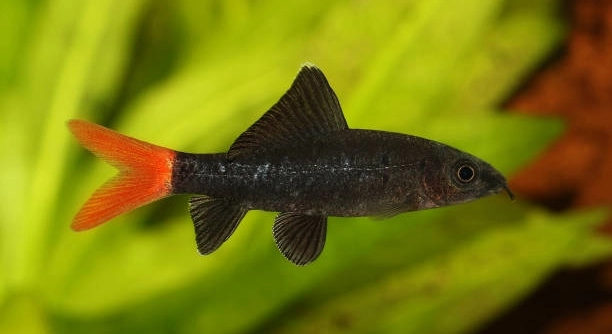
Keeping a Rainbow Shark healthy and happy starts with creating a stress-free environment. These fish can be sensitive to their surroundings, and stress can affect their behavior and lifespan. Proper care is essential for a balanced tank.
Reducing stress in a Rainbow Shark’s tank involves maintaining stable water conditions, providing sufficient hiding spaces, avoiding overcrowding, minimizing sudden changes, and ensuring a compatible community. These measures support the fish’s natural behaviors and promote well-being.
Understanding how small adjustments improve your fish’s environment can make a big difference. These practical tips help keep your Rainbow Shark comfortable and thriving in its aquatic home.
Maintain Stable Water Conditions
Rainbow Sharks are sensitive to changes in water quality. Keeping the water parameters stable is essential for reducing stress. Regularly check the temperature, pH, ammonia, nitrite, and nitrate levels. These fish prefer temperatures between 74°F and 81°F, with a pH around 6.5 to 7.5. Sudden fluctuations can cause distress and illness. Performing weekly partial water changes helps keep the tank clean and maintains water quality. Use a reliable water test kit to monitor the parameters consistently. Also, avoid overfeeding, as leftover food can degrade water quality and increase harmful substances. A well-filtered tank with good circulation supports oxygen levels and waste removal. Keeping these factors in check creates a stable environment where your Rainbow Shark can feel secure and healthy. This reduces its stress and helps prevent common health issues linked to poor water conditions.
Stable water conditions are fundamental for Rainbow Shark health. Regular testing and maintenance prevent stress and promote longevity.
Proper water management is one of the most effective ways to ensure your Rainbow Shark thrives. This involves not only monitoring the chemical balance but also keeping the water clean through partial changes and avoiding excess feeding. A stable, well-maintained tank simulates the fish’s natural habitat, reducing anxiety and supporting normal behavior. Over time, consistent water quality contributes to a vibrant and active fish, making tank maintenance a worthwhile part of caring for your Rainbow Shark.
Provide Hiding Spaces
Rainbow Sharks need places to retreat when they feel threatened or stressed. Including decorations like caves, plants, and driftwood offers shelter. These hiding spots give the fish a sense of security and help reduce aggressive behavior. When the tank has enough hiding places, Rainbow Sharks can establish their own territories, which lowers conflict with other fish. It also allows them to rest comfortably away from open water. Use natural or aquarium-safe materials to create these areas. Aim for multiple hiding spots distributed evenly around the tank, so the fish always have a nearby refuge. This setup supports their natural instincts and overall well-being, making your tank a safer and calmer environment.
Creating a secure habitat with hiding spots helps Rainbow Sharks feel safe and reduces their stress significantly.
Ensuring your Rainbow Shark has sufficient hiding places is key to managing stress and aggression. These fish often become territorial, and when the tank lacks shelters, tensions can rise. By adding caves, dense plants, or driftwood, you encourage natural behavior and decrease the chance of bullying or chasing. Hiding spots also provide a quiet area where the fish can rest without disturbance. This balance between open swimming space and sheltered zones promotes healthier activity levels and reduces stress-related behaviors. When planning your tank layout, consider how each element contributes to your fish’s comfort and safety.
Avoid Overcrowding
Too many fish in the tank increase competition for space and resources. Overcrowding causes stress and can lead to aggression and poor water quality.
A crowded tank makes it difficult for Rainbow Sharks to establish territories, which raises tension among fish. Overpopulation increases waste, impacting water quality and causing frequent spikes in ammonia and nitrites. These conditions harm fish health and increase stress. Keeping the tank appropriately stocked allows your Rainbow Shark to swim freely and reduces conflicts. A minimum of 30 gallons is recommended for one Rainbow Shark, with extra space for other compatible fish. Avoid adding too many tank mates to maintain a balanced and peaceful environment.
Overcrowding also limits hiding spots and resting areas, increasing stress. A spacious tank with proper filtration supports healthier fish and prevents behavioral problems.
Minimize Sudden Changes
Rapid changes in temperature, lighting, or tank decorations can upset your Rainbow Shark. These fish prefer consistent conditions and react poorly to surprises.
Maintaining a routine for feeding, lighting, and water changes helps your fish adjust and feel secure. Sudden shifts in water temperature or chemistry can cause shock and stress, weakening the immune system. Avoid rearranging decorations or introducing new tank mates without careful planning. Gradual adjustments allow the fish time to adapt. When changing water, use a slow drip method to match temperature and chemistry closely. Keeping the tank environment stable supports natural behavior and reduces stress-related illnesses.
Consistency helps Rainbow Sharks thrive by providing a predictable environment where they feel safe and comfortable.
Ensure Compatible Tank Mates
Choosing peaceful tank mates is crucial for reducing stress in Rainbow Sharks. Aggressive or overly active fish can provoke hostility and tension.
Rainbow Sharks do best with calm, non-aggressive species that occupy different tank levels. Avoid fin-nippers or territorial fish that may chase or harass your Rainbow Shark. Compatibility promotes a balanced and peaceful environment, reducing stress for all inhabitants.
Maintain a Balanced Diet
A healthy diet supports your Rainbow Shark’s immune system and energy levels. Offer a mix of pellets, flakes, and occasional live or frozen foods. Avoid overfeeding, as excess food can pollute the water and cause health problems.
Regular Tank Cleaning
Keeping the tank clean prevents harmful waste buildup and maintains water quality. Regularly remove uneaten food and debris, and clean the substrate gently to avoid disturbing beneficial bacteria.
FAQ
How often should I test my Rainbow Shark’s tank water?
Testing the water weekly is ideal to maintain stable conditions. Focus on ammonia, nitrite, nitrate, pH, and temperature. Consistent monitoring helps catch problems early, allowing timely adjustments to keep your Rainbow Shark healthy and stress-free.
What is the best temperature for a Rainbow Shark tank?
Rainbow Sharks thrive in water temperatures between 74°F and 81°F. Keeping the temperature steady within this range reduces stress and promotes normal activity. Avoid sudden temperature changes, as they can shock the fish and weaken its immune system.
Can Rainbow Sharks live with other fish?
Yes, but tank mates must be peaceful and occupy different levels of the tank. Avoid aggressive or fin-nipping species. Suitable companions include tetras, danios, and peaceful bottom dwellers. Proper selection reduces territorial conflicts and stress.
How large should my tank be for a Rainbow Shark?
A minimum of 30 gallons is recommended for one Rainbow Shark. Larger tanks provide space for swimming and territory, which lowers stress. Overcrowded tanks increase aggression and degrade water quality, impacting fish health.
How often should I perform water changes?
Partial water changes of 20-25% weekly are best. This removes toxins and refreshes minerals, keeping the environment stable. Avoid changing too much water at once to prevent shocking the fish.
What are common signs of stress in a Rainbow Shark?
Signs include hiding excessively, loss of color, erratic swimming, and refusal to eat. Stress weakens immunity and can lead to disease. Observing these behaviors early helps you take corrective action.
Is it okay to rearrange tank decorations frequently?
Frequent rearrangement can cause stress because Rainbow Sharks are territorial and prefer a consistent environment. Make changes gradually and provide hiding spots to help them adjust.
What should I feed my Rainbow Shark?
Feed high-quality sinking pellets as a staple. Supplement with live or frozen foods like bloodworms or brine shrimp. A balanced diet supports health and energy while preventing overfeeding-related water problems.
Can overcrowding cause health problems?
Yes. Overcrowding increases waste, lowers oxygen, and raises aggression. These factors cause stress and make fish more vulnerable to infections and disease.
How can I reduce aggression in the tank?
Provide plenty of hiding spaces and keep the tank well-maintained. Avoid overcrowding and choose compatible tank mates. Stable water conditions also reduce territorial behavior and stress.
What should I do if my Rainbow Shark hides all the time?
Check water quality and tank conditions first. Hiding can indicate stress or illness. Ensure proper temperature, clean water, and sufficient hiding places. If behavior continues, consult an expert to rule out health issues.
Are Rainbow Sharks sensitive to light changes?
Yes, sudden or intense lighting changes can stress them. Use a consistent light schedule and avoid abrupt shifts. Dimmer lighting or shaded areas help Rainbow Sharks feel secure.
How long do Rainbow Sharks typically live?
With proper care, Rainbow Sharks live 5 to 8 years. Stable tank conditions, a good diet, and reduced stress contribute to their longevity.
Can I keep more than one Rainbow Shark together?
It is possible but requires a large tank with many hiding spots. Rainbow Sharks are territorial and may fight in small or crowded tanks. Careful monitoring is necessary to prevent injuries.
What filtration system is best for a Rainbow Shark tank?
A strong filter that provides good water flow and oxygenation is important. Sponge filters or canister filters are commonly used. Regular filter maintenance keeps water clean and safe for your fish.
How do I introduce new fish to the tank?
Quarantine new fish before adding them to prevent disease spread. Introduce them slowly and monitor interactions to reduce stress and aggression. Gradual acclimation helps maintain a peaceful tank environment.
Final Thoughts
Taking care of a Rainbow Shark requires attention to detail, especially when it comes to managing stress in its tank. Stress can affect the fish’s health, behavior, and lifespan, so it is important to create a stable and comfortable environment. Keeping water conditions steady, providing enough hiding spots, and avoiding overcrowding are key steps. Each small adjustment helps reduce stress and keeps your Rainbow Shark active and healthy. Consistent maintenance and observation are necessary to ensure the tank remains a safe place for your fish.
In addition to the physical environment, choosing compatible tank mates and maintaining a balanced diet are equally important. Rainbow Sharks do best with peaceful fish that do not compete aggressively for space or food. A varied diet that includes pellets and occasional live or frozen foods supports their nutrition and energy needs. Feeding the right amount without overfeeding prevents water pollution and health problems. Paying attention to these details helps your Rainbow Shark thrive and enjoy a better quality of life.
Overall, reducing stress in your Rainbow Shark’s tank takes patience and care. Routine water testing, regular cleaning, and a calm environment make a significant difference. Watching your fish over time will help you notice any changes in behavior or health, allowing for quick action when needed. By following these guidelines, you can build a healthy and balanced habitat that supports the well-being of your Rainbow Shark and other tank inhabitants. This effort leads to a more rewarding and successful experience as a fishkeeper.

Hello,
If you enjoy the content that we create, please consider saying a "Thank You!" by leaving a tip.
Every little bit helps us continue crafting quality advice that supports the health, happiness, and well-being of pets around the world, for pets of all shapes, sizes, and species.
We really appreciate the kindness and support that you show us!