
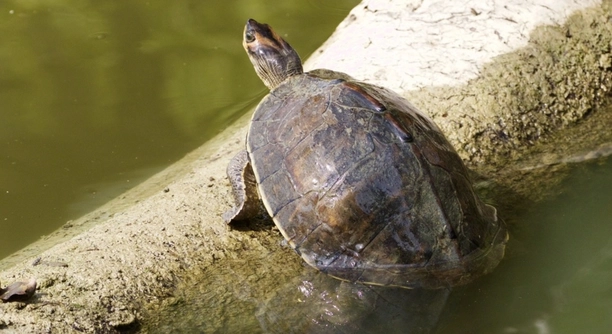
If your Indian Roofed Tortoise’s skin is turning red, it could signal various health concerns. Understanding why this happens can help you take the proper steps for your tortoise’s well-being.
Red skin in an Indian Roofed Tortoise is often caused by improper environmental conditions, such as temperature fluctuations, humidity imbalances, or underlying health issues like infections or parasites. These factors require prompt attention to prevent further complications.
Addressing the root cause of the redness will aid in promoting the health of your tortoise and ensure its comfort.
Common Causes of Red Skin in Indian Roofed Tortoises
Red skin in your tortoise can result from several factors, including environmental issues or health conditions. The most frequent cause is improper habitat conditions such as temperature fluctuations or humidity imbalance. When the enclosure isn’t ideal, it can lead to stress, making your tortoise more susceptible to skin problems. Overexposure to sunlight or artificial lights can also affect your tortoise’s skin, leading to redness. Another possibility is bacterial or fungal infections, which often cause inflammation and irritation. These conditions require quick intervention to prevent further complications.
A sudden change in diet can also stress your tortoise, especially if it is not getting the necessary nutrients. Ensure that your tortoise’s diet includes appropriate greens and occasional protein sources. Any drastic shifts in diet could trigger stress, impacting its skin health.
Proper care and a consistent routine are essential for the health of your tortoise. Monitor its environment carefully to avoid sudden changes that could result in skin issues.
Steps to Take When You Notice Redness
Once you notice red skin, it’s crucial to act quickly to address the issue. Start by evaluating your tortoise’s living conditions, ensuring the temperature and humidity levels are correct.
If the skin redness persists or worsens, it may indicate an infection or underlying health problem. Seek veterinary advice to ensure your tortoise receives the right treatment, whether it’s a change in diet, medication, or adjustments to its habitat.
Maintaining proper humidity and temperature levels, as well as offering a balanced diet, will help prevent skin issues from recurring. Regular checks on your tortoise’s health and environment will support its long-term well-being.
How to Adjust the Habitat for Your Tortoise
If your tortoise’s skin is turning red, adjusting its habitat may help. Ensure the temperature is steady, ideally between 80°F to 90°F during the day and cooler at night.
A consistent light cycle is important, as too much exposure to artificial light can cause stress. Ensure your tortoise has access to a warm basking area, but also provide a cooler space for it to retreat. Additionally, ensure the humidity is balanced. Too much humidity can lead to mold or fungal growth, while too little can cause dehydration.
A proper environment is essential for preventing skin issues and promoting overall health. Avoid sudden changes in temperature or light, as these can add stress to your tortoise’s system, making it more vulnerable to health problems.
The Importance of a Proper Diet
Diet plays a major role in the health of your tortoise. Feeding it a varied and balanced diet is essential for maintaining healthy skin.
Leafy greens like kale, dandelion, and collard greens should be included in their diet. Avoid feeding them high-oxalate foods like spinach too often, as this can interfere with calcium absorption, affecting their skin and overall health. Occasionally offering high-fiber vegetables or fruits can also improve digestion and skin health.
An improper diet can lead to nutrient deficiencies, which can show up as skin issues. Regularly reassess your tortoise’s food to ensure they are getting what they need to thrive.
Identifying Signs of Infection
If the redness on your tortoise’s skin seems to be spreading or accompanied by discharge, it could be an infection.
Check for swelling or tenderness around the affected area. If the skin feels soft or flaky, it may indicate a bacterial or fungal infection. These infections can quickly worsen, so immediate care is important.
Consult with a vet who specializes in reptiles to determine the cause and appropriate treatment for any infection. Timely treatment is key to ensuring your tortoise recovers quickly and avoids further complications.
Regular Health Checkups
Frequent health checkups are essential to prevent skin issues from escalating.
A veterinarian experienced with reptiles can help monitor your tortoise’s overall health and catch any problems early. Regular checks, including skin evaluations, are important for spotting issues like infections or nutritional deficiencies.
FAQ
What causes red skin on an Indian Roofed Tortoise?
Red skin on a tortoise can be caused by a variety of factors. Environmental conditions like temperature fluctuations, poor humidity levels, or inappropriate lighting can lead to skin issues. Stress from changes in habitat, diet, or handling can also affect their skin. Infections caused by bacteria or fungi may also cause redness. If the skin changes are severe or persistent, it’s crucial to seek professional care to rule out more serious issues.
How do I know if my tortoise has an infection?
Signs of infection include swelling, redness, tenderness, or discharge on the skin. If your tortoise is lethargic or seems unusually sensitive when touched, it might be a sign of infection. Additionally, flaky or softened skin can indicate an infection. Early intervention is important, so if you notice these signs, consult a vet for proper diagnosis and treatment.
Can I treat skin redness at home?
While it’s possible to make some adjustments to your tortoise’s environment, like fixing humidity or temperature levels, treating the underlying cause of skin redness often requires professional intervention. If the redness is due to an infection or health issue, a vet will be able to prescribe the right treatment, such as topical antibiotics or antifungal medications. Always err on the side of caution and consult a reptile veterinarian for the best course of action.
What should I do if my tortoise’s skin is peeling?
Peeling skin in tortoises can be a sign of shedding or an infection. If your tortoise is shedding, it’s usually harmless, but if peeling is accompanied by redness, swelling, or unusual behavior, it may signal a health issue. Ensure your tortoise’s environment is humid enough to assist with shedding and watch for any signs of infection. If the peeling continues or worsens, consult a vet for further advice.
How can I maintain proper humidity for my tortoise?
Maintaining proper humidity is key to preventing skin issues. For an Indian Roofed Tortoise, humidity levels should be kept between 50-60%. This can be achieved by misting the enclosure regularly, using a humidifier, or providing a shallow water dish. Ensure proper airflow to avoid excess moisture, which can lead to mold and bacterial growth.
What kind of diet helps prevent skin problems in tortoises?
A healthy, well-balanced diet is essential for preventing skin issues in tortoises. Leafy greens like kale, dandelion, and collard greens should be the bulk of your tortoise’s diet, along with occasional fruits and vegetables. Avoid high-oxalate foods like spinach, as they can interfere with calcium absorption. A varied diet rich in fiber and nutrients will help keep your tortoise’s skin and shell in good condition.
Can temperature affect my tortoise’s skin?
Yes, temperature plays a significant role in the overall health of your tortoise. If the enclosure is too hot or too cold, it can cause stress, which may lead to skin issues. Ensure your tortoise has access to a basking area where temperatures reach around 90°F during the day, and a cooler area for the night, ideally between 70-75°F. Sudden temperature changes can trigger skin problems, so consistency is important.
How often should I check my tortoise’s health?
Regular health checks are vital for your tortoise’s well-being. You should inspect your tortoise’s skin and shell at least once a week for any signs of redness, swelling, or other changes. If you notice anything unusual, such as unusual behavior or skin abnormalities, seek professional help. Routine checkups with a vet every 6-12 months will help catch any issues early, ensuring your tortoise remains healthy.
What type of lighting does my tortoise need?
Proper lighting is crucial for your tortoise’s health. UVB light helps with calcium absorption and overall shell health. Make sure your tortoise has access to natural sunlight or use a UVB bulb if natural light is not available. Ensure the light is not too harsh, and always provide a shaded area where your tortoise can retreat if it gets too warm.
Is it safe to use topical treatments on my tortoise?
Using topical treatments on your tortoise should only be done under the guidance of a veterinarian. Some creams or ointments may be harmful if applied incorrectly. If your tortoise has skin redness due to an infection or irritation, your vet may recommend a specific topical treatment. Always follow your vet’s instructions to avoid causing further harm.
Can stress cause skin problems in tortoises?
Yes, stress can play a significant role in the development of skin problems. Changes in their environment, handling them too often, or introducing new animals can lead to stress, which can manifest as skin redness or other health issues. Reducing stress by maintaining a stable environment and providing proper care will help keep your tortoise healthy.
Final Thoughts
Taking care of an Indian Roofed Tortoise involves understanding its environment and health needs. If you notice your tortoise’s skin turning red, it could be due to several factors, such as temperature imbalances, infections, or even stress. It’s important to monitor the habitat closely, ensuring the temperature, humidity, and lighting are appropriate for your tortoise’s needs. Regular checks will help catch any issues early, preventing more serious health problems in the future.
If environmental changes don’t seem to improve the skin condition, it may be time to seek professional care. A reptile vet can diagnose the issue more accurately and provide the proper treatment. Whether it’s a dietary adjustment or a prescription for an infection, early intervention is key to ensuring your tortoise stays healthy. Skipping a visit to the vet could lead to complications, as untreated skin issues can worsen quickly, affecting your tortoise’s overall well-being.
Maintaining a balanced diet, stable habitat, and regular vet visits are the main steps to keep your Indian Roofed Tortoise healthy. Prevention is always better than cure, so keeping a consistent care routine and staying vigilant for any signs of distress will go a long way in maintaining a happy tortoise. By understanding and addressing the factors that cause skin redness, you can provide your tortoise with a comfortable, healthy life.

Hello,
If you enjoy the content that we create, please consider saying a "Thank You!" by leaving a tip.
Every little bit helps us continue crafting quality advice that supports the health, happiness, and well-being of pets around the world, for pets of all shapes, sizes, and species.
We really appreciate the kindness and support that you show us!