
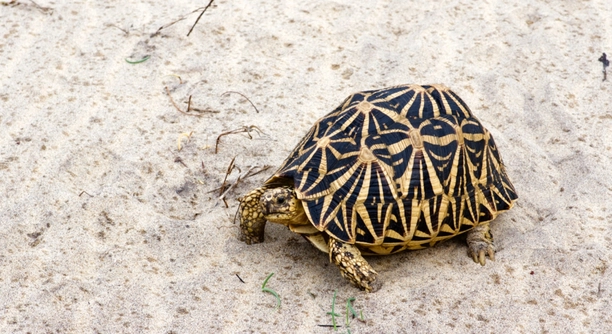
Turtles are fascinating creatures, and observing their behavior can be both entertaining and puzzling. If your turtle has been scraping its beak, you might wonder what could be causing this unusual activity. It’s important to address this behavior.
Turtles often scrape their beaks for various reasons, including stress, environmental factors, or natural behaviors related to feeding and self-maintenance. Beak scraping can sometimes be linked to improper habitat conditions or health issues that require attention and monitoring.
Understanding the reasons behind your turtle’s scraping behavior can help you ensure its well-being. In the following sections, we will discuss the possible causes and how to address them.
Common Causes of Beak Scraping in Turtles
Turtles scraping their beaks can be a sign of stress or frustration. Stressors like sudden changes in their environment, such as temperature fluctuations or an inadequate habitat, may prompt this behavior. Turtles, like other reptiles, are sensitive to their surroundings, and if they feel uncomfortable or threatened, they may exhibit unusual actions like beak scraping. It’s also important to consider if your turtle is housed with other turtles or animals. Aggression, competition for space, or food may also trigger beak scraping.
Environmental factors are a common reason for beak scraping. Inadequate water quality, improper lighting, or a tank that’s too small can cause stress. If the turtle’s environment doesn’t meet its specific needs, it may engage in this behavior to show discomfort.
Turtles also scrape their beaks to remove food particles or debris, which is natural. However, consistent scraping without any clear reason could be a sign that something isn’t quite right with its habitat or health. Keep an eye on how often your turtle exhibits this behavior to determine if it’s an ongoing issue.
Health Concerns Linked to Beak Scraping
Health problems like beak malocclusion or infections can cause turtles to scrape their beaks.
A misaligned beak or an injury to the beak can lead to discomfort or difficulty in eating. If your turtle has a beak that is overgrown, cracked, or chipped, scraping is often a way of trying to realign or maintain its beak. Regular check-ups with a vet can help detect these issues early.
An infection in the beak, such as mouth rot, may also prompt scraping. This condition causes swelling, discomfort, and difficulty feeding, which may result in your turtle scraping its beak more frequently. If the behavior is coupled with swelling, discharge, or loss of appetite, seek veterinary attention right away. Beak infections can escalate quickly, affecting your turtle’s overall health. Regularly inspecting your turtle’s beak can help spot any potential issues early on.
Beak Scraping Due to Diet
An imbalanced diet can sometimes cause turtles to scrape their beaks. If they aren’t getting the right nutrients, it can lead to issues like soft or brittle beaks. Ensure your turtle’s diet is rich in calcium, vitamins, and minerals. A lack of these nutrients might cause scraping behavior as the turtle tries to remove buildup or compensate for dietary deficiencies.
Offering a varied diet with leafy greens, protein, and calcium-rich foods, such as cuttlefish bone, can help prevent this problem. Consider supplementing their food with specially formulated pellets designed for turtles. It’s essential to avoid overfeeding or underfeeding and keep the diet balanced to maintain good health. Regularly offering fresh foods will provide the nutrition necessary for a strong, healthy beak.
If your turtle consistently scrapes its beak despite a balanced diet, this might indicate a more serious issue. Be sure to consult a vet if the behavior persists, as it could be linked to other health or environmental concerns.
Proper Tank Setup
Turtles need a well-maintained habitat to feel safe and thrive. If their tank is too small or lacks adequate features, like a basking area or proper water filtration, it can lead to stress and beak scraping. Regularly check the water temperature and quality to ensure they’re at optimal levels.
Water that is too cold or dirty can affect your turtle’s immune system, making it more prone to diseases and other issues that may cause scraping. Inadequate basking areas can prevent your turtle from warming up, leading to stress. It’s crucial to have the proper setup for your turtle’s well-being.
A proper tank setup also includes ensuring enough space for the turtle to move around and swim freely. Stress from confined spaces can make the turtle anxious, which may result in scraping or other behavioral problems.
Beak Maintenance and Grooming
Turtles naturally scrape their beaks to help maintain them. In the wild, this behavior may be more common due to their need to keep their beaks sharp for eating. However, in captivity, this instinct still persists. Regular scraping can help remove debris.
If your turtle’s beak doesn’t naturally wear down through feeding, they may scrape to help with that process. Be sure to provide various surfaces like rocks or submerged logs for your turtle to interact with. These surfaces can help naturally wear down the beak, reducing the need for excessive scraping.
The Role of Water Quality
Water quality directly impacts a turtle’s health, including their beak. Poor water conditions can cause stress and potential infections, leading to scraping.
Make sure the tank has a good filtration system that keeps the water clean. Regularly change the water to ensure it remains free of harmful bacteria or pollutants. If your turtle is experiencing frequent scraping, checking water parameters such as pH, temperature, and clarity is crucial. A clean environment reduces the risk of infections that could cause beak issues.
Stress From Social Interactions
Turtles can become stressed due to improper social interactions. Overcrowding or aggression from other turtles can cause anxiety and lead to scraping.
If your turtle is housed with other turtles, monitor their interactions. Sometimes, one turtle may dominate or cause stress to another. This behavior can manifest in scraping as the turtle attempts to relieve stress. Providing ample space and hiding spots can help reduce stress levels and prevent this behavior.
FAQ
Why is my turtle scraping its beak?
Turtles may scrape their beaks due to a variety of reasons, including stress, improper water quality, poor diet, or an unbalanced tank setup. Beak scraping can also be a natural behavior for self-maintenance, especially if your turtle’s environment doesn’t provide enough surfaces to help wear down its beak naturally. If the scraping is persistent or coupled with other symptoms like swelling or a lack of appetite, it’s essential to look into potential health problems, such as infections or beak malocclusion.
What should I do if my turtle keeps scraping its beak?
First, make sure the tank environment is properly set up with clean, warm water and appropriate basking areas. Check for any signs of injury or infection in your turtle’s beak, and ensure its diet is well-balanced, including calcium-rich foods. If the scraping continues, it’s a good idea to visit a vet for an examination. A professional can assess whether the behavior is linked to health concerns like beak malformation or infection.
How can I improve my turtle’s habitat to reduce beak scraping?
A proper tank setup is essential for your turtle’s well-being. Ensure your tank is large enough for your turtle to swim freely and includes appropriate hiding spots. The water should be clean, properly filtered, and maintained at the right temperature. Additionally, provide surfaces like rocks or logs for your turtle to interact with, which can help naturally wear down the beak. A proper basking area is also crucial to allow your turtle to warm up and reduce stress.
Could my turtle’s diet be causing the beak scraping?
Yes, an improper diet could contribute to beak scraping. Turtles need a balanced diet that includes calcium, vitamins, and minerals. A lack of calcium can lead to weak, soft beaks that may require more scraping. You should offer a varied diet, including leafy greens, vegetables, protein, and occasional calcium supplements, like cuttlefish bone. Providing a well-rounded diet helps ensure your turtle’s beak stays healthy and strong.
Is beak scraping a sign of a serious health issue?
In some cases, beak scraping can be a sign of a more serious health problem. Issues like beak infections, malocclusion, or injuries can cause pain or discomfort, leading the turtle to scrape its beak. If the behavior persists or if you notice symptoms like swelling, discharge, or difficulty eating, it’s important to seek veterinary advice. Regularly inspect your turtle’s beak to detect any visible signs of health problems early.
Can stress cause my turtle to scrape its beak?
Yes, stress is a common cause of beak scraping in turtles. Changes in their environment, overcrowding, or the presence of aggressive tank mates can create anxiety, leading to behaviors like beak scraping. If your turtle is housed with other turtles, ensure there is enough space for each one and that no one turtle is dominating or bullying the others. Additionally, maintaining a stable environment with minimal changes can reduce stress.
How can I prevent my turtle from scraping its beak?
To prevent beak scraping, ensure your turtle’s environment is well-maintained and stress-free. Provide clean, appropriately filtered water, and keep the tank temperature consistent. Regularly clean the tank and change the water. Make sure your turtle has access to various surfaces for natural beak maintenance. A well-balanced diet that includes calcium and vitamins will also support your turtle’s health. If necessary, offer calcium supplements and monitor your turtle’s behavior for signs of discomfort.
Is it normal for a turtle to scrape its beak?
Scraping can be normal for some turtles as part of their natural behavior, especially if they are using surfaces to wear down their beaks. However, constant scraping without an apparent reason, or scraping coupled with other symptoms, may signal a health or environmental issue. Keep an eye on how often your turtle scrapes its beak and assess its habitat and diet to make sure it’s not caused by an underlying problem.
Can other turtles or pets in the tank cause beak scraping?
Yes, interactions with other turtles or pets in the tank can cause stress, which may lead to beak scraping. If your turtle feels threatened or bullied, it may scrape its beak to cope with the stress. Ensure that your turtle is housed in a spacious tank with enough hiding spots to reduce stress. Separate aggressive turtles or animals that may be causing the issue, and make sure everyone has access to food and space.
How do I check my turtle’s beak for health issues?
To check your turtle’s beak for health issues, gently hold it and examine the beak for any signs of cracks, swelling, or abnormal growth. A healthy beak should be smooth, sharp, and properly aligned. Look for any discharge or excessive wear. If you notice anything unusual, consult a vet for a thorough check-up. Regularly inspecting your turtle’s beak can help detect problems early.
Final Thoughts
Turtles are unique creatures, and understanding their behavior is essential to providing the best care. Beak scraping is a common issue, but it’s not always something to be overly concerned about. In many cases, it can be part of their natural behavior, especially if they are trying to maintain their beaks. However, if you notice your turtle scraping more frequently than usual or showing signs of distress, it’s important to assess their environment and health. A balanced diet, clean water, and a properly set-up tank are key to keeping your turtle healthy and minimizing behaviors like beak scraping.
Regular maintenance of your turtle’s habitat plays a huge role in preventing issues like excessive beak scraping. By providing your turtle with a clean tank, appropriate water conditions, and surfaces to interact with, you can reduce the need for scraping. It’s also essential to monitor their interactions with other pets or turtles, as stress can lead to unnecessary behaviors. Making sure that your turtle has enough space and isn’t being bullied can help minimize anxiety, allowing them to feel safe in their environment.
Finally, it’s important to pay attention to your turtle’s overall health. If beak scraping becomes excessive or is accompanied by other symptoms, like swelling or trouble eating, it may indicate a more serious problem. Regular vet check-ups are important to ensure that any underlying health issues, such as infections or malocclusions, are addressed promptly. By staying vigilant and proactive in their care, you can help your turtle maintain a healthy and happy life, free from unnecessary stress or discomfort.

Hello,
If you enjoy the content that we create, please consider saying a "Thank You!" by leaving a tip.
Every little bit helps us continue crafting quality advice that supports the health, happiness, and well-being of pets around the world, for pets of all shapes, sizes, and species.
We really appreciate the kindness and support that you show us!