
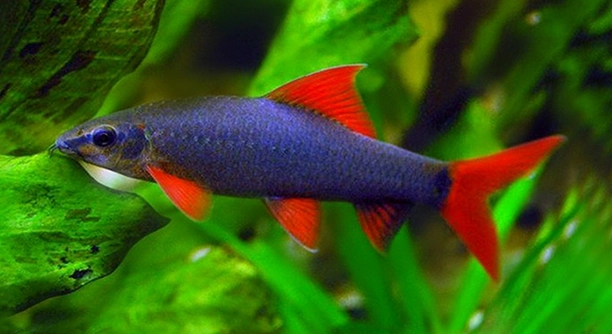
Bringing a Rainbow Shark into a new tank requires some careful steps to make sure it feels comfortable. These fish are sensitive to changes and need time to adjust to unfamiliar surroundings. Helping them settle can improve their health and behavior.
To help your Rainbow Shark settle in a new environment, provide a calm and stable habitat with proper water conditions, hiding places, and minimal disturbance. Gradual acclimation and regular monitoring of water quality are essential for reducing stress and encouraging adaptation.
Knowing how to create a peaceful space for your Rainbow Shark can lead to a happier and healthier fish. The following tips will guide you through the best ways to support your pet’s smooth transition.
Prepare the Tank Before Introducing Your Rainbow Shark
It’s important to set up your tank correctly before bringing your Rainbow Shark home. Make sure the tank is fully cycled, meaning beneficial bacteria are established to keep water safe. Keep the temperature between 75 and 79 degrees Fahrenheit, and maintain a pH of 6.5 to 7.5. Adding plants and decorations helps create hiding spots, which reduce stress for your fish. Use a gentle filter to avoid strong currents, as Rainbow Sharks prefer calm water. Before introducing your fish, test the water for ammonia, nitrites, and nitrates to ensure a healthy environment. Doing these steps will help your Rainbow Shark feel secure and ready to settle in.
Setting up a well-prepared tank is the first key step to a smooth transition for your Rainbow Shark. This will reduce stress and promote better health.
Taking the time to prepare the tank creates a welcoming space for your fish. It also lowers the risk of illness caused by poor water quality or sudden changes. Make sure you do water tests regularly and keep the temperature steady. Adding hiding spots allows your Rainbow Shark to explore without feeling threatened. These small adjustments help your fish adapt faster and behave naturally, making your tank a peaceful place for everyone.
Acclimate Your Rainbow Shark Slowly
Acclimating your Rainbow Shark slowly helps it adjust to the new water conditions safely. Sudden changes can shock the fish and cause stress.
To acclimate your Rainbow Shark, float the sealed bag in the tank for 15-20 minutes to equalize temperature. Then slowly add small amounts of tank water to the bag every 5 minutes for about an hour. This gradual mixing helps the fish get used to the new water chemistry. Afterward, gently release your fish into the tank. Avoid pouring the bag water directly into your tank to prevent contamination. Watching your fish closely during the first few hours is important to catch any signs of stress or illness early.
Taking time with acclimation helps reduce the risk of shock and makes settling in easier. It’s a small step that protects your fish’s well-being and helps it feel safe in its new home.
Provide Hiding Places and Decorations
Rainbow Sharks feel safer with places to hide. Rocks, caves, and plants offer shelter where they can retreat if stressed.
Providing hiding spots reduces aggression and allows your fish to explore on their own time. Decorations should not crowd the tank but create enough cover to break the line of sight with other fish. Live plants help improve water quality and add natural hiding spaces. Be sure decorations are smooth to avoid injuring your fish. Rearrange items carefully if needed, as sudden changes can stress your Rainbow Shark. A well-decorated tank encourages natural behavior and helps your fish feel secure.
Plants and decorations also provide a stimulating environment, which prevents boredom. This encourages your Rainbow Shark to swim actively and stay healthy. When hiding places are available, your fish will be less likely to show nervous or aggressive behavior, making the tank a more peaceful space for all.
Maintain Consistent Water Conditions
Keep water conditions steady to avoid stressing your Rainbow Shark. Sudden changes in temperature or chemistry can harm their health.
Regularly check water temperature, pH, and ammonia levels with test kits. Conduct partial water changes every week to remove waste and keep the water clean. Avoid drastic fluctuations by using a reliable heater and filter. Keeping parameters stable helps your Rainbow Shark adjust and thrive in the tank. Consistency in water quality supports their immune system and reduces the risk of disease. Monitoring and maintaining water conditions should be a routine part of tank care to ensure long-term success.
Avoid Overcrowding the Tank
Overcrowding causes stress and competition among fish. A spacious tank gives your Rainbow Shark room to swim freely.
Too many fish in one tank increase waste and make it harder to keep water quality stable. This can lead to illness and aggression. Keeping a balanced number of fish helps maintain a calm environment where your Rainbow Shark can settle comfortably.
Feed a Balanced Diet
Rainbow Sharks need a mix of protein and plant-based foods for good health. Offer high-quality pellets along with occasional vegetables.
A varied diet supports their energy levels and vibrant colors. Feeding small amounts twice daily prevents overfeeding and water pollution. Providing natural foods like blanched zucchini or spinach helps mimic their diet in the wild. Consistent feeding habits promote steady growth and overall well-being.
Monitor Behavior Daily
Watch your Rainbow Shark closely every day for signs of stress or illness. Early detection is important.
Keep Lighting Moderate
Bright lights can cause stress. Use moderate lighting to mimic natural conditions and help your fish feel comfortable.
FAQ
How long does it take for a Rainbow Shark to settle into a new tank?
Rainbow Sharks usually take about one to two weeks to fully adjust to a new environment. During this time, they may hide more and show less activity. Patience is key, as rushing the process can cause stress and health problems.
What signs show my Rainbow Shark is stressed?
Look for unusual hiding, loss of appetite, rapid gill movement, or erratic swimming. These signs often mean your fish is uncomfortable or stressed. Checking water conditions and tank setup is important if you notice these behaviors.
Can Rainbow Sharks live with other fish?
Yes, but choose tank mates carefully. Rainbow Sharks can be territorial, especially in smaller tanks. Avoid aggressive or very small fish that might be bullied. Peaceful species that occupy different tank levels usually coexist better.
How often should I feed my Rainbow Shark?
Feed small amounts twice daily. Overfeeding can pollute the water and harm your fish’s health. Remove uneaten food after a few minutes to keep the tank clean and maintain good water quality.
What is the ideal tank size for a Rainbow Shark?
A minimum of 30 gallons is recommended to give your Rainbow Shark enough space. Larger tanks reduce aggression and stress, allowing the fish to swim freely and establish territories.
Why does my Rainbow Shark keep hiding?
Hiding is normal, especially when they are new or stressed. If hiding continues for long periods, check water quality and tank conditions. Adding more hiding places and reducing disturbances often helps.
How important is water temperature for Rainbow Sharks?
Water temperature should stay between 75 and 79°F. Sudden changes or temperatures outside this range can cause stress and illness. Use a reliable heater and thermometer to maintain consistent conditions.
Do Rainbow Sharks need live plants?
Live plants aren’t necessary but beneficial. They improve water quality and provide natural hiding spots. If live plants are difficult to maintain, sturdy artificial plants can work as well.
What should I do if my Rainbow Shark shows signs of illness?
Isolate the sick fish if possible and check water parameters immediately. Consult with an aquatic veterinarian or pet store specialist for proper treatment. Good water quality and proper diet support recovery.
Can Rainbow Sharks live alone?
Yes, they can live alone and often do better without other territorial fish in small tanks. Alone, they can be less stressed and more active. However, they also enjoy space to explore and need good tank conditions to thrive.
Helping your Rainbow Shark settle into a new tank takes time and attention. Creating a stable environment with clean water, proper temperature, and enough space is essential. These basic needs reduce stress and allow your fish to feel safe. When you prepare the tank well, your Rainbow Shark will adjust more easily and show natural behavior.
It is also important to provide hiding places and a balanced diet. Decorations and plants offer shelter, making your fish feel secure. Feeding small amounts twice a day keeps your Rainbow Shark healthy without polluting the water. Watching your fish closely helps catch any problems early. If your Rainbow Shark seems stressed or sick, checking water quality and tank conditions is the first step.
Consistency in care is the best way to support your fish’s long-term health. Avoid sudden changes and overcrowding, as these can cause stress and illness. Regular water testing and gentle acclimation make a big difference. By following these simple practices, your Rainbow Shark will have the best chance to thrive in its new home. Taking the time to meet its needs will reward you with a happy and active fish.

Hello,
If you enjoy the content that we create, please consider saying a "Thank You!" by leaving a tip.
Every little bit helps us continue crafting quality advice that supports the health, happiness, and well-being of pets around the world, for pets of all shapes, sizes, and species.
We really appreciate the kindness and support that you show us!