
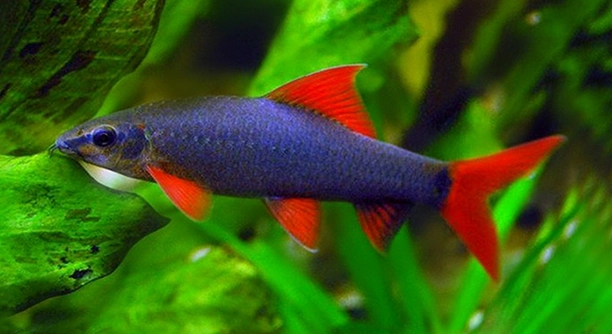
Are your rainbow sharks showing signs of stress after a move to a new tank? Adjusting to a different environment can be challenging for these active fish. Proper care during this period is key to their health and well-being.
Helping your rainbow shark adapt involves maintaining stable water conditions, providing hiding places, and gradually introducing changes. Monitoring their behavior and feeding them appropriately also supports a smooth transition to the new environment.
Following these steps will make the adjustment easier for your rainbow shark. The tips ahead will guide you in creating a comfortable and safe space for your fish.
Prepare the Tank Before Introducing Your Rainbow Shark
It is important to get the tank ready before adding your rainbow shark. The tank should be fully cycled with stable water parameters to prevent stress and illness. Clean water with the right temperature and pH level helps the fish settle more quickly. Add plenty of plants, rocks, and hiding spots to mimic their natural habitat. These provide shelter and reduce anxiety. Avoid strong currents, as rainbow sharks prefer calm water. Make sure the tank is large enough—at least 30 gallons—to give your fish space to swim freely. Testing the water regularly for ammonia, nitrites, and nitrates ensures a safe environment. Taking these steps beforehand creates a welcoming space that supports the fish’s adjustment to the new environment.
Testing the water and setting the temperature to 74–79°F will keep your rainbow shark comfortable and healthy from day one.
After preparing the tank, slowly introduce your rainbow shark by floating the bag in the water to equalize temperature. Release the fish gently, then observe its behavior closely for signs of stress. Keep the lights dim and avoid sudden movements around the tank to reduce anxiety. Feed small amounts of food initially to encourage eating without overfeeding. Maintaining consistent care during the first week is crucial. By giving your fish time and space, you help it feel secure and adapt smoothly to its new home.
Monitor Behavior and Health Daily
Check your rainbow shark’s behavior every day for any changes or signs of illness. Early detection helps prevent serious problems. Look for normal swimming, eating habits, and vibrant color. If the fish hides constantly or loses appetite, it may be stressed or sick. Watch for physical signs like faded color, spots, or damaged fins. Promptly address any issues to support recovery.
Consistent observation ensures you can take quick action if problems arise.
Pay close attention to water quality and maintain regular cleaning. Perform partial water changes weekly to keep the environment clean. Avoid overcrowding by keeping only one rainbow shark per tank, as they can be territorial. Feeding a varied diet with high-quality pellets, vegetables, and occasional live food supports strong health. Provide a balanced routine to help your rainbow shark stay active and vibrant. This care helps the fish grow comfortable and thrive in its new surroundings over time.
Provide Plenty of Hiding Places
Rainbow sharks need hiding spots to feel safe. Plants, caves, and decorations offer shelter and reduce stress.
Adding live or artificial plants creates natural cover. Smooth rocks or PVC pipes work well for hiding spots. Position these around the tank, especially near corners or under ledges. Avoid overcrowding, but ensure there are enough places for your fish to retreat when feeling threatened. Hiding places help your rainbow shark explore confidently while having safe spaces to rest. This balance supports their well-being and reduces aggressive behavior toward tank mates.
Changing or rearranging hiding spots too often can increase stress, so keep the environment consistent after setting it up.
Feed a Balanced Diet
Rainbow sharks thrive on varied food. Offer a mix of pellets, flakes, and fresh vegetables.
Start with sinking pellets designed for bottom feeders, as rainbow sharks feed near the tank floor. Supplement their diet with blanched vegetables like zucchini, spinach, or peas for added nutrients. Occasionally, provide live or frozen foods such as bloodworms or brine shrimp to mimic natural feeding habits. Avoid overfeeding; small portions twice a day work best to maintain water quality and prevent obesity.
Consistent feeding with a balanced diet promotes healthy growth and vibrant colors. Monitor how much your fish eats and adjust portions accordingly. Fresh, nutritious food supports their energy and immune system, helping them handle the stress of a new environment better.
Keep the Water Clean
Regular water changes are essential for your rainbow shark’s health. Aim to change 20–30% of the water weekly to keep toxins low.
Use a gravel vacuum to remove debris from the substrate. Clean filters regularly but avoid washing them with tap water to preserve beneficial bacteria.
Maintain Stable Water Conditions
Sudden changes in temperature or pH can stress your fish. Keep the temperature steady between 74 and 79°F. Test the water regularly to ensure pH stays between 6.5 and 7.5, which is ideal for rainbow sharks.
Avoid Overcrowding
Too many fish in one tank increase stress and aggression. Keep only one rainbow shark per tank to reduce territorial disputes and ensure enough space for swimming.
Watch for Signs of Stress
Changes in behavior, such as hiding or refusing food, indicate stress. Early action can prevent illness and help your fish adjust more easily.
FAQ
How long does it take for a rainbow shark to adjust to a new tank?
Rainbow sharks usually take about one to two weeks to settle into a new environment. During this time, they might hide more and eat less as they get used to the new surroundings. Maintaining stable water conditions and providing hiding spots helps speed up the adjustment process.
What water parameters are best for rainbow sharks?
The ideal temperature range for rainbow sharks is between 74°F and 79°F. The pH level should be kept around 6.5 to 7.5. Regularly test for ammonia, nitrites, and nitrates to keep the water clean and safe. Stable water conditions reduce stress and keep your fish healthy.
Can rainbow sharks live with other fish?
Rainbow sharks can live with other peaceful fish but are territorial with their own species. It’s best to keep only one rainbow shark per tank. Suitable tank mates include tetras, barbs, and gouramis, but avoid slow-moving or very small fish to prevent bullying.
What do rainbow sharks eat?
Rainbow sharks are omnivores. Their diet should include sinking pellets made for bottom feeders, fresh vegetables like zucchini or spinach, and occasional live or frozen foods such as bloodworms or brine shrimp. A varied diet ensures they get all the necessary nutrients.
Why is my rainbow shark hiding all the time?
Hiding often can mean your rainbow shark feels stressed or threatened. It may be adjusting to the new environment, or the tank may lack enough hiding places. Check water quality, temperature, and tank mates. Providing more shelter usually helps them feel safer.
How often should I feed my rainbow shark?
Feed your rainbow shark twice daily with small portions they can finish within a few minutes. Overfeeding can pollute the tank and cause health issues. Monitor their appetite and adjust the amount to keep them healthy and active.
What are common signs of illness in rainbow sharks?
Look for faded color, torn fins, spots, unusual swimming patterns, or loss of appetite. Early detection allows you to treat illnesses before they worsen. Keeping the tank clean and stress-free lowers the risk of disease.
How big does a rainbow shark get?
Rainbow sharks can grow up to 6 inches in length. They require enough space to swim comfortably, so a minimum 30-gallon tank is recommended to accommodate their size and activity level.
Can I rearrange decorations after adding my rainbow shark?
It’s best to avoid frequent changes once your rainbow shark has settled. Rearranging decorations too often can stress the fish by disrupting their sense of territory. Make changes gradually if necessary and watch for any signs of distress.
What should I do if my rainbow shark stops eating?
If your rainbow shark stops eating, check water quality and temperature first. Stress or illness might be the cause. Try offering a variety of foods and ensure the tank conditions are stable. If the problem continues, consult a vet or aquatic specialist for advice.
Taking care of a rainbow shark during its transition to a new tank requires patience and attention. These fish are sensitive to changes, so preparing the tank properly and maintaining stable water conditions are essential steps. Providing enough hiding places and a balanced diet will help your rainbow shark feel secure and stay healthy. Monitoring the fish’s behavior and water quality daily makes it easier to spot any problems early on. A calm environment with steady routines supports the fish’s well-being over time.
Rainbow sharks can be territorial, so keeping only one in a tank is usually best. This helps reduce stress and aggressive behavior. Tank mates should be chosen carefully to avoid conflict and ensure harmony in the aquarium. Feeding your rainbow shark a varied diet that includes pellets, vegetables, and occasional live food will keep it strong and colorful. Overfeeding or poor water quality can cause health issues, so portion control and regular water changes are important.
Overall, helping your rainbow shark adjust well takes consistent care and attention. Small steps like stable water, good nutrition, and plenty of hiding spots go a long way toward making the fish comfortable. Watching for signs of stress or illness allows you to act quickly and keep your fish healthy. With the right environment and care, your rainbow shark can thrive and become a lively, beautiful part of your aquarium.

Hello,
If you enjoy the content that we create, please consider saying a "Thank You!" by leaving a tip.
Every little bit helps us continue crafting quality advice that supports the health, happiness, and well-being of pets around the world, for pets of all shapes, sizes, and species.
We really appreciate the kindness and support that you show us!