
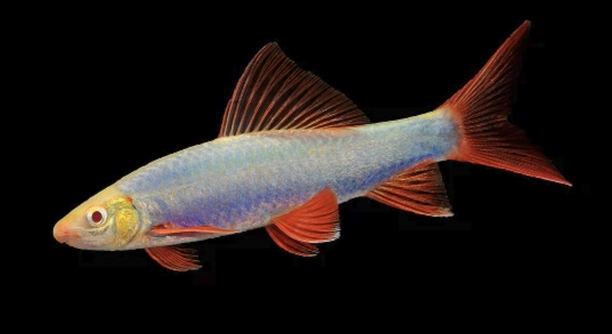
Rainbow sharks are popular freshwater fish known for their bright colors and active swimming. They often share tanks with other fish, but adjusting to new tankmates can be tricky. Helping them get along improves the tank’s harmony and keeps everyone healthy.
To help a rainbow shark adjust to tankmates, provide plenty of hiding spots, keep the tank well-maintained, introduce fish slowly, monitor behavior closely, ensure compatible species, maintain stable water conditions, and avoid overcrowding. These steps reduce stress and aggression.
Learning how to manage these factors makes your aquarium a peaceful home for all its inhabitants. The following tips will help you create a better environment for your rainbow shark and its companions.
Provide Plenty of Hiding Spots
Rainbow sharks can be territorial, especially when meeting new tankmates. Giving them places to hide helps reduce their stress and gives them a safe retreat if things get tense. Rocks, caves, and plants are good options for creating hiding spaces. These spots allow the shark to feel secure without having to confront other fish immediately. When the fish have enough room to claim their own area, aggression is less likely to occur. You can use decorations that fit naturally into your tank’s design, which keeps the space comfortable for all your fish. Regularly check these hiding spots to make sure they remain clean and accessible. Avoid overcrowding any single spot, as that might cause competition instead of peace.
Having safe spaces helps your rainbow shark settle in faster and live more comfortably alongside tankmates.
Careful arrangement of tank decorations supports a calm environment and smoother fish interactions.
Adding varied hiding spots throughout the tank allows your rainbow shark to explore and choose its preferred area without feeling threatened. It also encourages natural behaviors and reduces stress-related health problems. Over time, this setup can improve overall harmony between fish, making your aquarium easier to maintain. It’s important to balance open swimming areas with secure spots so all species feel comfortable. Remember, each fish may have different preferences, so observe your rainbow shark’s behavior and adjust hiding places accordingly. Providing both tall plants and caves creates a diverse environment that appeals to many fish types. This way, your rainbow shark can avoid conflicts while still sharing space peacefully with its tankmates.
Introduce Fish Slowly
Introducing new fish gradually allows your rainbow shark to adjust better. Sudden changes can cause stress and aggression.
Start by placing the new fish in a separate container inside the tank for a few days. This lets them get used to each other’s presence without direct contact. After that, carefully release the new fish and watch their behavior closely. If aggression appears, be ready to separate them again. Slowly introducing fish helps maintain a balanced tank where all species can coexist peacefully. It also gives you time to spot problems early and act before they worsen. Patience during introductions is key to a calm community tank with happy rainbow sharks and tankmates.
Monitor Behavior Closely
Watch your rainbow shark’s behavior every day. Early signs of stress or aggression should not be ignored.
If you notice chasing, nipping, or hiding, these behaviors indicate your shark may feel threatened. Acting quickly can prevent injuries or worse problems. Sometimes rearranging decorations or increasing hiding spots helps reduce conflict. In more serious cases, separating aggressive fish might be necessary until they calm down. Monitoring behavior also helps you learn each fish’s personality, which is useful when adding new tankmates. Keeping an eye on interactions means you can respond before small issues turn into serious stress or health problems. This care improves the overall well-being of your aquarium community.
Regular observations allow you to adjust conditions, ensuring your rainbow shark and tankmates live peacefully together. This attention is key to a healthy tank.
Ensure Compatible Species
Choosing compatible tankmates reduces fights and stress. Rainbow sharks do best with peaceful, mid-to-bottom dwelling fish that won’t compete for the same space.
Avoid aggressive or overly active species that could provoke your shark or dominate the tank. Also, avoid other territorial fish that might cause fights. Suitable tankmates include certain tetras, rasboras, and peaceful catfish. These fish usually swim in different areas and have calmer temperaments. Matching water condition needs like temperature and pH is equally important to keep all fish healthy. Compatibility goes beyond behavior—it also includes diet and environmental preferences. By selecting species that fit well together, you create a stable and stress-free environment for everyone. This careful choice simplifies tank maintenance and promotes natural harmony.
Maintain Stable Water Conditions
Stable water conditions are essential for rainbow sharks and their tankmates. Sudden changes in temperature or water chemistry cause stress, making fish more aggressive or sick.
Regular water tests and gradual adjustments keep the environment safe. Consistent care supports healthy fish and better tank harmony.
Avoid Overcrowding
Overcrowding leads to stress and territorial fights. Each fish needs enough space to swim and claim its own area.
A crowded tank causes poor water quality, which affects fish health and behavior. Keeping the right number of fish ensures a peaceful environment and easier maintenance.
Regular Tank Maintenance
Keeping the tank clean is key to a healthy aquarium. Remove uneaten food, vacuum the substrate, and change water regularly to prevent harmful buildup.
Clean tanks reduce stress and disease risks for rainbow sharks and their tankmates, promoting a balanced and thriving aquatic environment.
FAQ
How can I tell if my rainbow shark is stressed?
Signs of stress include hiding more than usual, loss of appetite, erratic swimming, or aggression toward tankmates. You might also notice faded colors or unusual spots. Stress often comes from poor water conditions, overcrowding, or incompatible tankmates. Watching your fish daily helps catch these signs early.
What are the best tankmates for rainbow sharks?
Good tankmates are peaceful, medium-sized fish that swim at different levels, like tetras, rasboras, and peaceful catfish. Avoid other territorial or aggressive fish that could provoke fights. Compatibility in water parameters, diet, and temperament is important for a peaceful tank.
How big should my tank be for a rainbow shark?
Rainbow sharks need at least a 30-gallon tank. They are active swimmers and need plenty of space to establish territory. Larger tanks reduce stress and aggression by allowing more room to explore and hide.
Can I keep more than one rainbow shark in the same tank?
It’s generally not recommended to keep multiple rainbow sharks together in smaller tanks. They are territorial and may fight if the space is limited. In very large tanks with plenty of hiding spots, some owners have success, but careful monitoring is necessary.
What kind of diet should I feed my rainbow shark?
Rainbow sharks are omnivores and eat a mix of pellets, flakes, and live or frozen foods like bloodworms and brine shrimp. A varied diet keeps them healthy and colorful. Feeding small amounts two to three times daily works best.
How often should I clean the tank?
Perform partial water changes of about 20-25% weekly to maintain water quality. Clean the substrate and remove leftover food regularly. This keeps the tank environment stable and reduces stress for all fish.
What temperature and pH do rainbow sharks prefer?
Rainbow sharks thrive in temperatures between 74°F and 80°F (23°C to 27°C). They prefer a slightly acidic to neutral pH range of 6.5 to 7.5. Keeping stable water conditions within these ranges helps prevent stress and illness.
What should I do if my rainbow shark is aggressive toward other fish?
Try adding more hiding spots and rearranging decorations to break up territories. If aggression continues, consider separating the fish temporarily or permanently. Sometimes, adjusting tankmates or tank size can also help reduce aggression.
How can I help my rainbow shark adapt to new tankmates?
Introduce new fish slowly, starting with a quarantine period or using a divider. Provide plenty of hiding spots and monitor interactions closely. Stable water conditions and compatible species also ease the adjustment period.
Can overcrowding cause problems in my tank?
Yes, overcrowding increases stress, leads to poor water quality, and causes fights. Each fish needs enough space to swim and hide. Keeping your tank stocked properly promotes better health and calmer behavior among fish.
Final Thoughts
Helping your rainbow shark adjust to tankmates takes time and patience. Each fish has its own personality, so what works for one tank might not work for another. Providing plenty of hiding spots, introducing fish slowly, and watching their behavior closely are important steps. These actions reduce stress and prevent fights, making the aquarium a better place for all fish. Remember, the goal is to create a calm and balanced environment where every fish feels safe and comfortable.
Maintaining stable water conditions is just as important as managing fish behavior. Rainbow sharks are sensitive to changes in temperature, pH, and water quality. Regular water testing and cleaning help keep the environment healthy. Overcrowding can quickly lead to stress and aggression, so it is important to keep the number of fish appropriate for your tank size. When fish live in a clean, stable habitat, they tend to be healthier and less aggressive. This makes it easier for all the fish to coexist peacefully.
Choosing compatible tankmates helps avoid many problems from the start. Peaceful species that live in different areas of the tank are usually a good match for rainbow sharks. Avoid aggressive or territorial fish that could cause conflict. Feeding your rainbow shark a balanced diet and giving it enough space also contribute to its well-being. With care and attention to these details, your rainbow shark and its tankmates can thrive together. The process may require some trial and error, but the result is a lively and harmonious aquarium.

Hello,
If you enjoy the content that we create, please consider saying a "Thank You!" by leaving a tip.
Every little bit helps us continue crafting quality advice that supports the health, happiness, and well-being of pets around the world, for pets of all shapes, sizes, and species.
We really appreciate the kindness and support that you show us!