
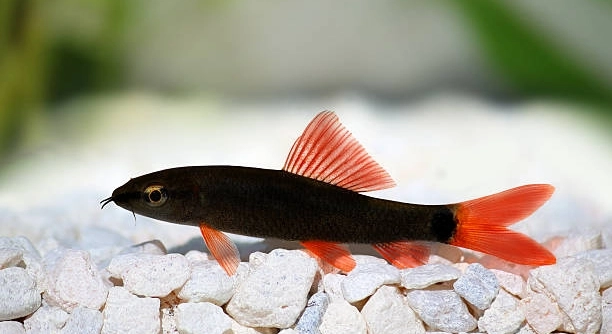
Rainbow sharks are popular aquarium fish known for their vibrant colors and active nature. Ensuring they receive proper nutrition is essential for their health and well-being. Recognizing signs of underfeeding can help prevent serious health problems early on.
Underfeeding in rainbow sharks can manifest through physical and behavioral changes such as weight loss, dull coloration, reduced activity, and decreased appetite. These signs indicate insufficient food intake and require prompt dietary adjustments to maintain fish health and vitality.
Knowing these signs allows for timely intervention to improve your fish’s care. Proper feeding habits will support a healthy and lively environment for your rainbow shark.
Weight Loss and Thin Appearance
When a rainbow shark is underfed, one of the most noticeable signs is weight loss. Their body may start to look thinner than usual, especially around the belly and fins. The fish might lose its usual roundness and appear more fragile. This happens because the shark is not getting enough nutrients to maintain its body mass. Over time, this can weaken their immune system and make them more vulnerable to diseases. It’s important to observe your fish regularly to catch this early. If you notice a change in their size or shape, adjusting their diet is necessary to help them regain strength. Feeding a balanced amount of high-quality food will support healthy growth and keep their vibrant appearance intact.
Thinness can also lead to lethargy, making the fish less active in the tank.
Keeping an eye on your rainbow shark’s body condition is essential. Providing a consistent feeding schedule helps maintain its health and appearance over time.
Dull or Faded Colors
Rainbow sharks are known for their bright and striking colors. When they don’t eat enough, their colors can become dull or faded. This change happens because their body is under stress and lacks essential nutrients needed to maintain pigmentation. The fins and body may look washed out or less vibrant. This is a clear visual cue that the fish isn’t getting what it needs from its diet. Dull colors can also indicate poor overall health, which might make your fish more prone to infections. To help your rainbow shark regain its colors, it’s important to improve the quality and quantity of food offered. Including a variety of foods rich in vitamins and minerals can support the restoration of bright colors. Maintaining good water quality is also crucial, as stress from the environment can worsen color loss. Regular feeding of nutrient-rich flakes, pellets, or frozen foods will keep your rainbow shark healthy and colorful for the long term.
Reduced Activity and Lethargy
Underfed rainbow sharks often show reduced activity. They may spend more time hiding or resting at the bottom of the tank. This lack of energy is a clear sign they are not receiving enough nutrients.
The energy a rainbow shark needs comes directly from its diet. Without sufficient food, their metabolism slows down, causing less movement and slower responses to stimuli. This can affect their ability to compete for food and avoid stressors. Lethargy also weakens their immune system, making it easier for illnesses to take hold. It’s important to provide a well-balanced diet to restore their energy levels. Feeding small amounts several times a day can help maintain consistent energy. Ensuring the tank environment is stable and stress-free will support their recovery and encourage normal activity.
Providing foods rich in protein and vitamins is key to restoring your rainbow shark’s vitality.
Decreased Appetite
A noticeable decrease in appetite often follows underfeeding signs. Your rainbow shark might ignore food or eat less than usual. This behavior further complicates their nutritional status and recovery.
Appetite loss can stem from stress, illness, or simply the weakening caused by insufficient food. When a fish stops eating, it’s important to assess their environment and diet. Changes in water temperature, tank mates, or water quality may discourage feeding. Offering a variety of food options, such as live, frozen, or high-quality pellets, can help stimulate appetite. Sometimes, feeding smaller portions more frequently encourages eating. Patience is necessary, as it may take time for your rainbow shark to regain interest in food. If appetite does not improve, consulting a veterinarian or aquatic specialist is recommended. Monitoring feeding behavior closely will help identify problems early and guide appropriate care.
Fragile Fins and Tail
Underfed rainbow sharks may develop fragile fins and tails that tear easily. Lack of nutrients weakens their fin structure.
Damaged fins can lead to infections and slower healing. Ensuring a nutritious diet and stable water conditions supports fin health and recovery.
Slow Growth
Rainbow sharks rely on a balanced diet to grow properly. Without enough food, growth rates slow down significantly. This can result in smaller-than-average fish that may struggle to compete for resources in the tank. Slow growth also indicates an underlying nutritional deficiency that needs immediate attention. Providing a diet rich in proteins, vitamins, and minerals encourages healthy development. Consistent feeding schedules and monitoring food intake can help correct growth issues before they become serious. Early intervention improves the fish’s chances for full recovery and long-term health.
Frequent Hiding
Inadequately fed rainbow sharks tend to hide more often. This behavior is linked to low energy and stress.
FAQ
How often should I feed my rainbow shark?
Feeding rainbow sharks once or twice a day is usually enough. Small, controlled portions help prevent overfeeding and ensure they get the nutrients they need. Feeding multiple small meals rather than one large feeding can keep their energy steady and reduce waste in the tank.
What types of food are best for rainbow sharks?
Rainbow sharks thrive on a varied diet that includes high-quality flakes or pellets, frozen or live foods like bloodworms, brine shrimp, and daphnia. Including plant-based foods occasionally supports their digestive health. Variety helps provide balanced nutrition and keeps them interested in eating.
Can overfeeding harm my rainbow shark?
Yes, overfeeding can lead to water quality issues and obesity in your fish. Excess food decomposes, causing ammonia spikes that harm fish health. Overweight fish may suffer from slowed swimming and increased risk of disease. Feeding the right amount is essential.
What should I do if my rainbow shark refuses to eat?
First, check water quality and tank conditions to rule out stressors. Try offering different types of food or feeding at different times. Sometimes live food can stimulate appetite. If refusal persists, consult a specialist to rule out illness.
How can I tell if my fish is underfed versus sick?
Signs like weight loss, dull colors, and lethargy could indicate both underfeeding or illness. Underfeeding usually improves with increased nutrition, while sickness might require medical treatment. Observing behavior, appetite, and water conditions together can help differentiate.
Is it normal for rainbow sharks to hide a lot?
Some hiding is normal, especially when adjusting to a new environment or during rest. Excessive hiding often signals stress, low energy, or illness. Regular feeding and good water quality usually reduce hiding behavior.
How long does it take for a rainbow shark to recover from underfeeding?
Recovery time varies depending on severity but can take several weeks of consistent, balanced feeding and stable tank conditions. Regular monitoring and adjustments help speed recovery and improve overall health.
Can tank mates affect my rainbow shark’s feeding?
Yes, aggressive or fast-eating tank mates can prevent your rainbow shark from getting enough food. Observe feeding times and separate fish if necessary to ensure everyone eats adequately.
What role does water quality play in feeding and health?
Poor water quality stresses fish and can reduce appetite or cause illness. Keeping ammonia, nitrite, and nitrate levels low supports good feeding habits and overall health. Regular water changes and filtration are important.
Should I use supplements to improve my rainbow shark’s diet?
Supplements like vitamins can be helpful if your fish shows signs of deficiency. However, a balanced diet with varied foods usually provides sufficient nutrients. Overuse of supplements should be avoided unless recommended by a professional.
Final Thoughts
Taking care of a rainbow shark means paying close attention to its feeding habits and overall health. Recognizing the signs of underfeeding early can prevent many problems. These fish depend on a balanced diet to maintain their bright colors, energy levels, and healthy growth. When they do not get enough food, their appearance and behavior change noticeably. Being aware of these changes helps to act quickly and improve their care. Proper feeding is a key part of keeping your rainbow shark healthy and happy in its environment.
Feeding your rainbow shark regularly with the right amount of high-quality food is essential. A varied diet that includes flakes, pellets, and occasional live or frozen foods will provide the nutrients your fish needs. Overfeeding is just as harmful as underfeeding, so finding the right balance is important. Feeding smaller portions multiple times a day can help maintain consistent energy and prevent waste in the tank. Along with feeding, maintaining good water quality supports the overall health of your fish. Clean water reduces stress and allows your rainbow shark to absorb nutrients better.
Watching your rainbow shark daily gives you the chance to notice early signs of trouble. Changes like dull colors, lethargy, or loss of appetite are indicators that something may be wrong. Acting promptly by adjusting feeding routines or checking the tank conditions can prevent health issues from becoming severe. In some cases, consulting a specialist is needed if the problems persist. Taking these steps will help ensure your rainbow shark stays vibrant and active. Consistent care and attention make a big difference in the long-term well-being of your fish.

Hello,
If you enjoy the content that we create, please consider saying a "Thank You!" by leaving a tip.
Every little bit helps us continue crafting quality advice that supports the health, happiness, and well-being of pets around the world, for pets of all shapes, sizes, and species.
We really appreciate the kindness and support that you show us!