
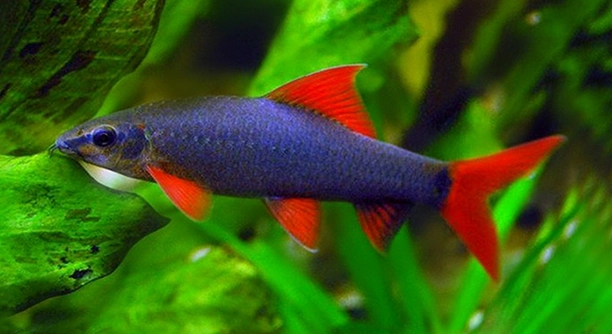
Many fish owners enjoy keeping rainbow sharks for their vibrant colors and active nature. However, these fish can be sensitive to their environment. Poor water conditions often cause health problems that are easy to overlook at first.
Rainbow sharks show clear signs when water quality declines, such as lethargy, loss of color, gasping at the surface, fin damage, unusual swimming, increased hiding, and changes in appetite. Recognizing these symptoms early helps prevent serious illness and death.
Knowing what to watch for is important to keep your rainbow shark healthy. The following information will help you identify and address water issues quickly.
Lethargy and Reduced Activity
When a rainbow shark’s water conditions are poor, one of the first signs is a noticeable drop in activity. These fish are normally quite energetic, swimming actively throughout the tank. If you observe your shark spending most of its time resting at the bottom or hiding and moving very little, it is a warning sign. Poor water quality can affect their breathing and overall health, making it difficult for them to stay active. This lack of movement might also be caused by stress from high ammonia or nitrite levels. Watching your fish’s behavior daily helps catch problems early before they worsen. Sometimes, a small water change can improve their energy, but ignoring lethargy can lead to serious health issues or death.
Lethargy usually indicates a problem with water quality that needs immediate attention to protect your fish.
In addition to lethargy, your rainbow shark may also stop exploring its environment or interacting with other tank mates. This behavior is a clear sign that something in the tank is off. Consistently monitor water parameters like pH, ammonia, and nitrite to ensure a healthy environment.
Loss of Color and Fading Appearance
A healthy rainbow shark is known for its bright, shimmering colors. If you notice the fish’s colors fading or looking dull, poor water conditions are often to blame. Stress from toxins or an unbalanced environment causes their vibrant hues to dull quickly. This change may not happen overnight but will become clear over several days or weeks. Cloudy water or excessive algae growth can also contribute to the fish looking less colorful. Regular water changes and proper filtration are essential to maintain the water quality that supports your shark’s bright colors.
Water quality directly affects the fish’s ability to display its natural colors.
Keeping the water clean and stable encourages the shark’s colors to remain vivid. Avoid overcrowding and overfeeding, as these factors can degrade water quality. Check your filtration system often to ensure it is working correctly. Using a reliable water test kit to monitor levels of ammonia, nitrites, nitrates, and pH will help keep conditions ideal. Maintaining good water quality not only preserves color but also boosts the fish’s immune system against diseases. If fading continues despite good care, consider checking for other issues such as illness or poor diet.
Gasping at the Surface
Gasping at the surface is a clear sign that your rainbow shark is struggling to get enough oxygen from the water. This usually happens when water quality is poor or oxygen levels are low.
Poor water conditions, such as high ammonia or nitrite, reduce oxygen availability, forcing the fish to breathe near the surface where oxygen is higher. Overcrowding and poor filtration worsen this issue by limiting oxygen circulation. If you see your fish gasping often, it is important to test the water and act quickly to improve oxygen levels. Increasing aeration with an air stone or adjusting the filter flow can help. Also, frequent water changes will lower toxins that affect oxygen absorption. Ignoring gasping can lead to serious health problems.
Sometimes, temperature plays a role too. Warmer water holds less oxygen, so make sure your tank temperature is stable and appropriate for your rainbow shark. A good balance of clean, cool water and proper aeration will prevent gasping behavior.
Fin Damage and Clamped Fins
Fin damage often appears as frayed, torn, or discolored fins, and clamped fins look tight against the body instead of spreading out naturally. Poor water quality weakens your rainbow shark’s fins by irritating their skin and making them prone to infection.
Toxic substances like ammonia and nitrites cause fin tissue to break down, while dirty water encourages bacteria and fungi to grow, leading to fin rot. Maintaining clean water with regular changes and a strong filtration system helps prevent these issues. Avoid overcrowding to reduce stress and injury risk. If fin damage appears, increasing water quality is the first step before using medication. Keep monitoring your tank’s conditions closely to stop damage from worsening. Healthy fins are a good indicator of your fish’s overall well-being.
Unusual Swimming Patterns
Unusual swimming patterns like erratic movements, swimming in circles, or floating listlessly can indicate poor water conditions affecting your rainbow shark. These behaviors show discomfort or distress caused by toxins or low oxygen levels.
Such changes often signal internal stress or illness linked to water quality problems.
Increased Hiding
When water conditions worsen, rainbow sharks tend to hide more than usual. This behavior helps them avoid stress but also means they feel unsafe or unwell. Prolonged hiding often points to poor water quality or illness needing attention.
Changes in Appetite
A sudden loss or change in appetite is a common sign of poor water conditions. If your rainbow shark stops eating or eats less, it may be struggling with stress or toxins in its environment. This change requires prompt action to improve water quality and fish health.
How often should I test the water for my rainbow shark?
Testing water regularly is essential to keep your rainbow shark healthy. Ideally, test the water once a week to monitor ammonia, nitrite, nitrate, and pH levels. Frequent testing helps catch problems early before they become serious. If you notice any signs of distress, test immediately and make adjustments as needed. Consistent monitoring is one of the best ways to maintain stable water conditions for your fish.
What are the ideal water parameters for a rainbow shark?
Rainbow sharks thrive in water with a temperature between 74°F and 80°F (23°C–27°C). The pH should be slightly acidic to neutral, around 6.5 to 7.5. Ammonia and nitrite levels must always be at 0 ppm, while nitrates should be kept below 20 ppm. Maintaining these parameters reduces stress and keeps your fish healthy. Proper filtration and regular water changes help maintain these ideal conditions.
Can poor water quality cause diseases in rainbow sharks?
Yes, poor water quality weakens a rainbow shark’s immune system, making it vulnerable to diseases like fin rot, fungal infections, and parasites. High ammonia or nitrite levels irritate the skin and gills, creating entry points for bacteria. Keeping water clean and stable is the best way to prevent illness and keep your fish thriving.
How often should I do water changes?
Water changes should be done weekly, ideally replacing 20% to 30% of the tank water each time. Regular water changes remove waste, toxins, and excess nutrients that can harm your fish. If the tank is heavily stocked or if water tests show high ammonia or nitrate, more frequent or larger changes may be necessary to improve water quality quickly.
What is the best filtration system for a rainbow shark tank?
A filter that provides both mechanical and biological filtration is best for a rainbow shark tank. Canister filters or hang-on-back filters with adequate flow help maintain clean water and oxygen levels. The filter should be sized appropriately for your tank volume to ensure effective waste removal and water circulation.
Can overcrowding affect my rainbow shark’s health?
Yes, overcrowding increases waste buildup and lowers oxygen levels, causing poor water quality and stress. Rainbow sharks also need enough space to swim actively. Overcrowding can lead to aggressive behavior and increase the risk of disease. Keeping the tank population balanced helps maintain better water conditions and reduces stress.
What should I do if my rainbow shark shows signs of poor water conditions?
Start by testing the water to identify any harmful levels of ammonia, nitrite, or nitrate. Perform a partial water change immediately to improve conditions. Check your filtration system for proper function and clean it if necessary. Reduce feeding to avoid excess waste. Monitor your fish closely and consider adding an air stone to increase oxygen levels if gasping occurs.
Can diet impact how my rainbow shark reacts to poor water conditions?
A balanced diet supports your fish’s immune system, helping it cope better with stress from poor water quality. Feeding high-quality pellets or flakes designed for tropical fish ensures proper nutrition. Avoid overfeeding, as uneaten food decomposes and worsens water quality. A good diet alone can’t fix bad water, but it helps fish stay healthier in stressful conditions.
Is cloudy water harmful to rainbow sharks?
Cloudy water is usually caused by bacterial blooms, overfeeding, or poor filtration. It reduces water clarity and can lower oxygen levels. While not always immediately harmful, cloudy water signals an imbalance that may stress your fish. Improving filtration, reducing feeding, and performing water changes will clear the water and protect your rainbow shark.
How can I increase oxygen in my tank?
Increasing oxygen can be done by adding an air stone or air pump to create bubbles and surface movement. Improving water circulation with a stronger filter also helps. Keeping plants trimmed and avoiding overcrowding prevent oxygen shortages. Cooler water holds more oxygen, so maintaining the right temperature supports healthy oxygen levels for your fish.
Taking good care of your rainbow shark means paying close attention to its environment, especially water quality. Poor water conditions can cause many health problems, and the signs may not always be obvious at first. Watching your fish’s behavior, appearance, and appetite regularly will help you spot any problems early. Simple steps like testing the water weekly, performing regular water changes, and maintaining a good filtration system can prevent many issues. By keeping the tank clean and stable, you create a safe home where your rainbow shark can thrive and show its natural beauty.
It is important to remember that water quality is more than just keeping the tank looking clear. The chemical balance inside the water affects your fish’s breathing, energy, and immune system. Even small changes in ammonia, nitrite, nitrate, or pH can cause stress and make your rainbow shark more likely to get sick. When you notice signs like lethargy, faded colors, fin damage, or unusual swimming, check your water parameters immediately. Taking action quickly can often save your fish from serious harm. Being proactive about water care also means less stress for both you and your fish, making the aquarium experience more enjoyable.
Finally, caring for a rainbow shark requires patience and attention over time. Fish need a stable environment to stay healthy, and that means consistent effort from you. Keep up with cleaning, feeding the right amount, and watching for any changes in behavior or appearance. Avoid overcrowding and provide proper aeration and filtration. These simple practices go a long way in preventing water problems and keeping your rainbow shark happy. When you provide the right conditions, your fish will reward you with vibrant colors and lively behavior, making your aquarium a beautiful and peaceful space.

Hello,
If you enjoy the content that we create, please consider saying a "Thank You!" by leaving a tip.
Every little bit helps us continue crafting quality advice that supports the health, happiness, and well-being of pets around the world, for pets of all shapes, sizes, and species.
We really appreciate the kindness and support that you show us!