
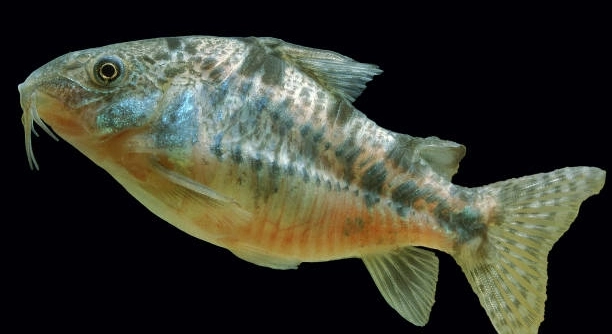
Corydoras catfish are fascinating creatures that thrive in home aquariums. Their behavior can indicate how comfortable they feel in their environment. Observing their actions is key to ensuring they are happy and healthy in their tank.
The signs that Corydoras catfish are feeling comfortable in their tank include active swimming, social behavior, and settling at the bottom. When they are relaxed, they exhibit behaviors like exploring, foraging, and interacting with tankmates. These behaviors signal contentment.
Understanding these signs will help you create the best possible environment for your Corydoras. Keep reading to learn more about how to ensure their comfort and well-being.
Active Swimming and Exploration
When Corydoras catfish are feeling comfortable, they tend to swim around the tank more freely. You’ll notice them darting through the water, investigating different areas of the tank. This behavior is typical when they feel safe and secure in their environment. They are naturally curious, so active swimming is a good sign that they are not stressed. The catfish may also move between various hiding spots, searching for food and exploring their space.
If your Corydoras are regularly exploring all parts of the tank, it’s a strong indication they are content. They should not seem lethargic or huddled in a corner, as this can suggest discomfort or stress. Their interest in their surroundings shows they are adjusting well to the tank setup.
Keep the water quality in check and provide enough hiding spots for your catfish. These small actions will encourage them to feel comfortable and express natural, playful behaviors.
Social Behavior and Interactions
Corydoras are social fish that feel more comfortable when kept in groups. They will often interact with other fish or swim alongside their tankmates. This behavior helps them feel secure and reduces anxiety. In a healthy environment, they tend to form bonds with other Corydoras and may even “school” together. They communicate by swimming in close proximity and showing off subtle body language, like wiggling or swaying.
If you see your Corydoras swimming in a group or seeking the company of their tankmates, it’s a sign they are thriving. These social interactions ensure they are adjusting well to the tank setup. You may also notice some playfulness among the group as they chase each other around.
Settling at the Bottom
Corydoras catfish are known for their bottom-dwelling nature. When they are comfortable, they often spend a significant amount of time near the tank’s substrate. They use their barbels to sift through the sand or gravel, searching for food.
You’ll notice your Corydoras digging around and resting on the bottom of the tank. This behavior suggests they feel secure enough to explore the lower levels. If your catfish are frequently resting on the substrate and actively foraging, it’s a clear sign they’re adjusting well. These behaviors help them feel more at ease in their environment.
Providing a soft substrate like sand will enhance their comfort, as rough gravel can irritate their delicate barbels. By mimicking their natural habitat, you’re giving them the space they need to thrive.
Active Foraging for Food
A well-fed Corydoras will actively forage for food throughout the tank. When they are comfortable, they use their sensitive barbels to search for small bits of food or detritus on the substrate. This behavior is a good sign that they are feeling relaxed and confident in their surroundings.
Corydoras are opportunistic feeders, so expect them to be active during feeding times. They will often swim up to the surface or swim along the bottom, eagerly looking for food. Regular foraging ensures they are getting proper nutrition and adjusting to their environment. If your catfish seem uninterested in food, it could indicate stress or poor water quality.
Maintaining a varied diet for your Corydoras will help keep them active and happy. Offering a mix of sinking pellets, live food, and occasional treats will encourage this natural behavior.
Swimming in Groups
Corydoras are social fish and thrive in groups. When they are comfortable, they often swim alongside each other, forming small schools. This behavior is typical of a relaxed and well-adjusted catfish.
If you notice your Corydoras schooling, it’s a strong indication they feel safe. Social interactions, such as swimming close together, show that they’re comfortable in their tank. They may follow one another around or group together in certain areas. Ensuring they have company of their own species will make them more likely to display this behavior.
Quick Movements and Playfulness
When Corydoras are at ease, they will occasionally exhibit bursts of quick movements. These playful actions are seen when they dart around the tank, often in short, rapid motions. This behavior signifies that the fish are feeling energetic and happy.
Quick, playful movements are a clear sign of comfort. If your Corydoras are darting around and interacting with their tankmates in such a manner, it shows they are thriving. These playful bursts can also be a sign of curiosity as they explore the tank or respond to new additions.
FAQ
Why do Corydoras catfish spend so much time at the bottom of the tank?
Corydoras catfish are bottom-dwelling fish by nature. They feel most at home near the substrate, where they use their barbels to search for food and interact with their environment. This behavior is perfectly normal and shows they are comfortable in their tank. The bottom of the tank provides a sense of security and safety for them. As long as they’re not constantly hiding in a corner or showing signs of distress, their bottom-dwelling behavior indicates they’re adjusting well to their surroundings.
Do Corydoras catfish need a group to feel comfortable?
Yes, Corydoras catfish are social creatures. They feel most comfortable when kept in groups of at least three or four. In the wild, they live in schools, which helps them feel safe and secure. When kept alone, they may become stressed and exhibit abnormal behaviors like hiding or being less active. Keeping multiple Corydoras together encourages natural social interactions, which helps them thrive. If you’re planning on keeping Corydoras, make sure to provide them with companions to enhance their well-being.
How can I tell if my Corydoras catfish is stressed?
Signs of stress in Corydoras catfish include excessive hiding, erratic swimming, loss of appetite, or staying near the surface for long periods. Stressed Corydoras may also stop foraging or display unusual behaviors, like scraping their bodies against the substrate or tank decor. Poor water quality, unsuitable tank mates, or sudden changes in the environment can contribute to stress. If you notice these signs, it’s essential to check the water parameters and ensure they have enough space and companionship. Addressing the source of stress quickly can prevent long-term health issues.
What water conditions do Corydoras catfish need?
Corydoras catfish prefer soft, slightly acidic water with a temperature range between 72°F and 78°F (22°C – 26°C). They thrive in clean, well-oxygenated water, so a good filtration system is essential. It’s important to maintain stable water parameters, as Corydoras are sensitive to changes. Frequent water changes are necessary to keep the water quality high, as these catfish produce waste that can quickly degrade water conditions. Regularly test the water for pH, hardness, and ammonia levels to ensure they’re in the optimal range for Corydoras.
Can Corydoras catfish live with other fish?
Corydoras catfish are peaceful and can live with most non-aggressive fish. They get along well with small schooling species like tetras, rasboras, and guppies. However, it’s important to avoid keeping them with larger, more aggressive fish that may nip at their barbels or stress them out. Corydoras also prefer tanks with plenty of hiding spots, so tank mates that respect their space will help keep them comfortable. Always consider the temperament of potential tank mates to ensure your Corydoras are safe and at ease.
How often should I feed Corydoras catfish?
Corydoras catfish should be fed once or twice a day, depending on their size and the number of fish in the tank. They are scavengers and often enjoy sifting through the substrate for food. A variety of food, including sinking pellets, algae wafers, and occasional live or frozen foods like bloodworms or brine shrimp, is ideal. Avoid overfeeding, as uneaten food can lead to poor water quality. It’s also important to remove any excess food after 10 to 15 minutes to maintain clean water conditions.
Do Corydoras catfish need a lid on the tank?
While Corydoras catfish are not known for jumping, it’s still a good idea to keep a lid on the tank. Some species, especially when startled, may leap out of the water, and a lid helps prevent accidents. A lid also helps maintain humidity levels and temperature stability within the tank, which is crucial for their overall health. Choose a lid with small holes or a mesh top to allow for proper airflow and oxygenation in the tank.
What substrate is best for Corydoras catfish?
Corydoras catfish have delicate barbels that can be easily damaged by sharp or rough substrate. Soft sand is the best option, as it allows them to sift through it without causing harm. Gravel can be used but should be smooth and rounded to prevent injury. Avoid using coarse gravel or anything with sharp edges, as these can hurt the catfish when they dig or move around the tank. Additionally, fine sand promotes natural behavior, allowing them to search for food without any risks.
How can I tell if my Corydoras catfish is healthy?
Healthy Corydoras catfish are active, have clear eyes, and exhibit normal swimming behavior. Their body should be free from lesions, discoloration, or signs of parasites like white spots or fuzzy growths. They should also be responsive to feeding time, actively foraging and swimming around the tank. Healthy Corydoras catfish also show an interest in interacting with their tankmates. If you notice unusual behavior, lack of appetite, or physical signs of illness, it’s important to isolate the fish and monitor its condition closely.
Final Thoughts
Corydoras catfish are fascinating creatures that thrive in a well-maintained, comfortable tank. They are peaceful, social fish that are easy to care for once you understand their needs. By keeping an eye on their behavior, you can easily tell when they are feeling comfortable in their environment. They enjoy spending time at the bottom of the tank, foraging for food and interacting with other fish. When they feel at ease, they will swim actively, form groups, and move around the substrate. Their behaviors are often a clear sign that they are happy and healthy.
Providing the right water conditions is key to their well-being. Corydoras prefer soft, slightly acidic water with a stable temperature. They thrive in tanks with plenty of hiding spots and gentle filtration. The right substrate, such as soft sand, is also important to protect their delicate barbels. Consistent water quality, regular feeding, and proper tank mates all play a significant role in ensuring that your Corydoras catfish feel safe and secure. When their needs are met, these catfish will show signs of comfort and even display playful behaviors.
Overall, caring for Corydoras catfish is rewarding and simple. As long as you create an environment that mimics their natural habitat and address their social needs, they will thrive. Paying attention to their behaviors and environment will help you understand how they’re feeling. With the right setup, your Corydoras will not only stay healthy but also add a unique, lively presence to your aquarium.

Hello,
If you enjoy the content that we create, please consider saying a "Thank You!" by leaving a tip.
Every little bit helps us continue crafting quality advice that supports the health, happiness, and well-being of pets around the world, for pets of all shapes, sizes, and species.
We really appreciate the kindness and support that you show us!