
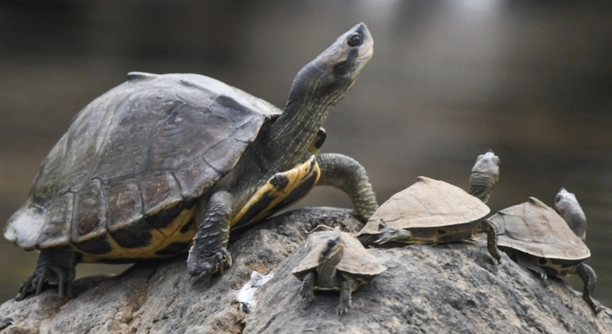
Bringing an Indian Roofed Tortoise into a new environment can be an exciting experience. However, it can also be a bit challenging for both the pet and its owner. This guide will help make the transition smoother.
To help your Indian Roofed Tortoise adjust to a new home, it is essential to provide a proper habitat, consistent temperature, appropriate diet, and minimal stress. These factors create a safe and comfortable environment for the tortoise to thrive.
Understanding these steps will not only help your tortoise settle in but also ensure they stay healthy and happy long-term.
Setting Up the Perfect Habitat
Your Indian Roofed Tortoise needs a comfortable home to thrive. Start by selecting an appropriately sized enclosure, preferably with enough space for your tortoise to move around freely. The enclosure should have a solid base to prevent escape and avoid injury. It’s also important to line the floor with soft bedding material like coconut coir or hay, which is safe for the tortoise.
Ensure that the enclosure has a warm area for basking and a cooler section where your tortoise can retreat to. Use a heat lamp for warmth, but remember to offer a hideaway spot that is cooler for your pet. Humidity is another key factor—keep the environment slightly moist but not wet, which mimics the tortoise’s natural habitat. Make sure there are also hiding spots, as tortoises appreciate having a quiet, safe space to retreat when they feel stressed.
A clean and well-maintained enclosure will help your tortoise feel secure in their new surroundings.
Adjusting the Temperature
Temperature control is critical for your tortoise’s health. Keep the warm basking area between 85°F and 90°F. The cooler area can be around 75°F, giving your tortoise a choice of temperatures to regulate its body heat.
Proper lighting also helps maintain a balanced temperature and supports your tortoise’s overall well-being. Set up a UVB light to help with calcium absorption and shell growth. Without it, your tortoise might experience health issues like weakened bones.
The right temperature ensures your tortoise stays active, eats well, and avoids stress from an uncomfortable environment.
Providing a Proper Diet
A healthy diet is vital for your Indian Roofed Tortoise’s adjustment to its new home. Offer a variety of leafy greens, such as dandelion greens, collard greens, and mustard greens. You can also give them edible flowers like hibiscus. Avoid giving them iceberg lettuce, as it lacks nutrients.
To keep your tortoise healthy, include some fruits and vegetables, but do so sparingly. Too much fruit can lead to digestive issues. Make sure to offer fresh food daily and remove uneaten food to prevent spoilage. Adding calcium powder to their meals will also help with shell growth and overall health.
Water is crucial for hydration, so provide clean, fresh water in a shallow dish. Ensure the dish is large enough for your tortoise to drink from comfortably. Avoid giving them too much water at once, as it can cause problems, but make sure they always have access to it.
Reducing Stress
Minimize stress by ensuring your tortoise has a quiet and calm environment. Place the enclosure in a low-traffic area where loud noises and sudden movements are less likely to disturb it. Avoid handling your tortoise frequently in the first few weeks.
Give your tortoise time to settle in and explore its new surroundings without interference. It’s normal for them to take time before adjusting fully. You can provide enrichment, such as safe objects to climb or hide in, which will help them feel more at ease. Keeping the environment stable without sudden changes is key to their comfort.
A stressed tortoise may show signs of disinterest in eating or may hide more than usual. Keeping the surroundings peaceful and predictable will make all the difference in helping your tortoise adjust.
Handling and Interaction
When you first bring your tortoise home, limit handling to reduce stress. Gently allow them to explore their new environment without forcing interaction. Gradually, as they settle in, you can begin spending time with them.
Tortoises are more comfortable with calm, slow movements. Avoid sudden actions, as this can startle them. Over time, they may grow used to your presence and may even approach you when they feel secure.
Respect their space and avoid forcing them to interact if they retreat. Let your tortoise dictate the pace of your relationship.
Regular Cleaning
Keep the enclosure clean by regularly removing waste, uneaten food, and soiled bedding. Cleaning helps prevent bacteria buildup and keeps your tortoise healthy. You should also disinfect the water dish and any items inside the enclosure.
Spot clean daily and do a more thorough cleaning every week to maintain a hygienic environment. A clean home will help your tortoise feel more comfortable and secure in their space. Regularly changing the bedding and replacing the food will reduce the risk of illness or infection.
Monitoring Health
It’s essential to monitor your tortoise’s health as they adjust. Watch for any signs of illness, such as lack of appetite, lethargy, or abnormal behavior. A healthy tortoise should be active, eat well, and have a clean, smooth shell.
Check their eyes, nose, and mouth for any signs of discharge, as this could indicate a respiratory infection. If you notice anything unusual, it’s important to take them to a reptile vet. Regularly check for any signs of injury or shell issues as well.
FAQ
How often should I feed my Indian Roofed Tortoise?
You should feed your Indian Roofed Tortoise every day. Offer fresh greens, vegetables, and occasional fruits. However, make sure the food is appropriate and balanced. Leafy greens should make up the majority of the diet. Fruits and vegetables like squash, carrots, and berries can be given a few times a week.
For young tortoises, more frequent meals might be necessary, while adults can eat daily. If your tortoise is eating too little or too much, adjust the portions accordingly. Keep the food fresh, and always remove leftovers to prevent contamination.
Can I house multiple Indian Roofed Tortoises together?
Yes, but it’s not always the best idea, especially if you’re new to caring for them. Tortoises are solitary creatures by nature, and housing them together can lead to territorial behavior, stress, and even fighting. If you do choose to house them together, ensure there is enough space for each tortoise to have its own territory.
If you notice aggression, it’s best to separate them. Monitor their behavior carefully. When they are housed together, make sure their environment is spacious and has multiple food and water sources to prevent competition.
What is the ideal temperature for my tortoise?
The ideal temperature for an Indian Roofed Tortoise’s enclosure should range from 75°F to 90°F, with a basking area around 85°F to 90°F. This temperature range allows them to regulate their body heat by moving between the warm and cool areas. Use a heat lamp to create a warm basking spot.
Keep the cooler areas around 75°F. The temperature drops should not be too sudden. Consistent warmth is important for digestion and overall health. Make sure your tortoise has a proper temperature gradient to stay comfortable.
How do I know if my tortoise is stressed?
Signs of stress in an Indian Roofed Tortoise include hiding excessively, a lack of appetite, or pacing in the enclosure. They may also appear lethargic, and their shell may appear dull or scratched due to nervous behavior. Stress can result from a variety of factors, including temperature fluctuations, overcrowding, or too much handling.
To reduce stress, keep their environment stable and quiet. Give them time to adjust, and avoid handling them frequently in the first few weeks. Make sure the enclosure is large enough for them to move around comfortably and has plenty of hiding spots.
Can I give my tortoise fruit?
Yes, but in moderation. Fruits should only be given occasionally due to their high sugar content. Offering small amounts of berries, melons, or papaya can be a healthy treat. However, too much fruit can cause digestive issues or obesity in your tortoise.
It’s best to limit fruit intake to no more than once or twice a week, depending on your tortoise’s size and age. Make sure to cut the fruit into small, manageable pieces and remove any uneaten food after a few hours.
What should I do if my tortoise isn’t eating?
If your tortoise isn’t eating, check the temperature and humidity levels in the enclosure first. Sometimes, an incorrect environment can cause loss of appetite. Stress can also affect their desire to eat, so ensure your tortoise feels secure in its surroundings.
If the environment is fine and your tortoise still isn’t eating, it could be a sign of illness, so monitor their behavior. Offer different types of food to encourage them to eat. If they continue to refuse food, it’s best to consult a reptile veterinarian to rule out any health issues.
How much space does my tortoise need?
Indian Roofed Tortoises need enough space to roam and explore. For an adult tortoise, a minimum enclosure size of 4 feet by 6 feet is recommended. The larger the space, the better, as they like to move around, but they also need areas to hide and rest.
If you’re housing multiple tortoises, you will need a much larger enclosure. Make sure the space is well-ventilated and has both a warm and cooler section. The enclosure should also be secure to prevent escape.
How can I ensure my tortoise’s shell is healthy?
A healthy shell is essential for your tortoise’s overall health. To ensure this, maintain proper calcium levels by dusting their food with a calcium supplement. Provide UVB light to help with calcium absorption. Shell problems can arise if these factors aren’t taken care of, leading to soft or brittle shells.
Make sure your tortoise has a balanced diet and doesn’t experience dehydration. Regularly check for any signs of cracks, scutes (the individual segments of the shell), or any changes in color. If you notice anything unusual, consult a veterinarian.
Can I take my tortoise outside?
Yes, you can take your Indian Roofed Tortoise outside, but make sure the environment is safe. Outdoors, provide a secure, enclosed area where they can explore. Avoid leaving them unattended, as they can be vulnerable to predators or accidents.
Ensure that the temperature and humidity outdoors match their needs. During colder months or extreme weather, it’s best to keep them inside. Always supervise outdoor time, and make sure there’s a shaded area for them to retreat to if they need a break from the sun.
Final Thoughts
Taking care of an Indian Roofed Tortoise can be a rewarding experience, but it requires commitment and attention to detail. From setting up the right environment to providing a healthy diet, every part of their care plays an important role in ensuring they thrive in their new home. By following the right steps and adjusting as needed, your tortoise will soon adapt to its new surroundings and start to feel comfortable.
It’s important to remember that patience is key. Tortoises are not fast animals, and they need time to get used to changes. Whether it’s the temperature, the food, or the overall space, give your tortoise the opportunity to adjust without overwhelming it. Stress can affect their health, so try to minimize any disruptions during the settling-in period. Keep their enclosure stable and clean, and try not to make too many changes too quickly.
Your Indian Roofed Tortoise can live a long and healthy life if it’s given the right care and environment. The effort you put into maintaining their habitat, offering a proper diet, and observing their health will pay off in the long run. As they get used to their new home, they will become more active and confident, making them enjoyable companions. Continue learning about their needs, and always be ready to make adjustments as necessary to ensure their well-being.

Hello,
If you enjoy the content that we create, please consider saying a "Thank You!" by leaving a tip.
Every little bit helps us continue crafting quality advice that supports the health, happiness, and well-being of pets around the world, for pets of all shapes, sizes, and species.
We really appreciate the kindness and support that you show us!