
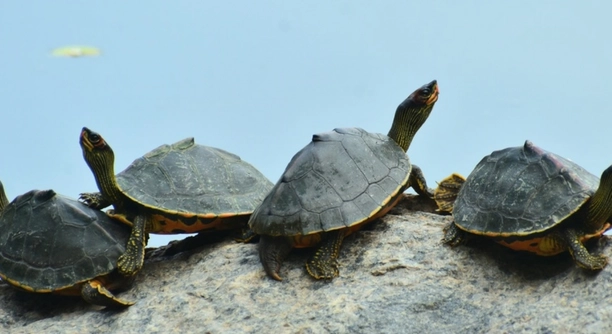
Indian Roofed Tortoises are known for their unique behavior, and sometimes, owners notice their tortoises sitting in water for long periods. Understanding this behavior is key to providing them with the best care possible.
Indian Roofed Tortoises may sit in water due to several reasons, including the need for hydration, cooling off, or simply enjoying the environment. Water provides comfort and aids in temperature regulation for these reptiles.
Knowing why your tortoise prefers water can help improve its care and create a more comfortable living space. This information will guide you in making necessary adjustments to its habitat.
Reasons Your Tortoise Might Sit in Water
There are a few reasons your Indian Roofed Tortoise might spend more time sitting in water than expected. One of the most common reasons is that it helps regulate its body temperature. Tortoises can get overheated, especially in warmer climates, and the water offers them a cool escape. Additionally, water helps maintain skin hydration and offers a natural source of moisture for your tortoise. This is especially true in drier environments where humidity can be low. Tortoises may also enjoy water because it allows them to immerse themselves and feel safe and secure, much like they would in a natural habitat.
Water isn’t just about temperature regulation for your tortoise. It can also be about comfort. Your tortoise may simply find it soothing to sit in water, especially if it has access to a shallow water dish. A small, shallow dish is all your tortoise needs to enjoy the benefits of water.
If your tortoise is sitting in water for long periods, ensure the water isn’t too deep or cold. They should always have easy access to dry land where they can rest and warm up when needed. You can make this adjustment by providing a low, shallow dish. Keeping the water clean is also important since stagnant water could cause health problems, such as shell rot. A change of water every few days is recommended.
Potential Health Concerns
While sitting in water can be harmless, excessive water exposure may lead to certain issues. It’s essential to pay attention to how often your tortoise is in the water. Prolonged contact with water, especially in poorly maintained environments, can lead to fungal or bacterial growth. These health risks are often linked to dirty water that has not been changed regularly.
If your tortoise stays in water for extended periods, make sure the tank is cleaned regularly, and the water is fresh. Damp conditions might also encourage respiratory issues, which can be problematic for reptiles. Keeping the water clean and at the right temperature will help your tortoise remain healthy and prevent these complications. Regular monitoring is key to maintaining a healthy environment.
Importance of Proper Habitat Temperature
The temperature of your tortoise’s habitat plays a crucial role in its comfort. If the environment is too hot or too cold, your tortoise may seek water to regulate its body temperature. The ideal temperature range for an Indian Roofed Tortoise is between 75-85°F during the day, with a basking spot that reaches around 90°F. If the area is too hot, it could lead to overheating, causing your tortoise to sit in water to cool off.
To ensure your tortoise is comfortable, it’s essential to create a temperature gradient in its enclosure. Provide areas where your tortoise can bask and areas that are cooler, where it can retreat when needed. This allows your tortoise to move between hot and cool zones, helping to maintain its body temperature naturally. It’s important to use a reliable thermometer to monitor the temperature and make adjustments as necessary.
If your tortoise spends too much time in water, it may indicate that the habitat temperature is off balance. A water dish in a cool spot is helpful, but overheating can be detrimental. By keeping track of the environment’s temperature, you can ensure your tortoise remains comfortable, healthy, and active.
Humidity Levels and Their Effect on Behavior
Humidity levels are another important factor that may cause your tortoise to sit in water. Tortoises need an environment that mimics their natural habitat. If humidity is low, your tortoise may use water to hydrate its skin. Maintaining proper humidity is key to preventing dehydration and health issues. The humidity should be between 50-60%.
A lack of humidity can cause your tortoise to experience dry skin, which may lead to discomfort. If you live in a dry area or have indoor heating that reduces humidity, it’s helpful to use a humidity gauge to monitor levels. If necessary, consider adding a humidity box or misting the enclosure regularly. A water dish that is shallow enough to climb in and out of easily helps your tortoise stay hydrated and comfortable.
Proper humidity is not just about comfort; it’s also about overall well-being. Tortoises with low humidity levels can suffer from respiratory infections, and their shells may not grow properly. Monitoring humidity is as crucial as maintaining proper temperature, ensuring your tortoise’s habitat supports a healthy environment.
Behavior and Natural Instincts
Indian Roofed Tortoises are naturally drawn to water, especially in the wild. Water helps them stay hydrated and maintain healthy skin. Sitting in water may simply be a comforting behavior, as they are instinctively seeking moisture. It’s important to consider this behavior as part of their natural instincts.
In the wild, these tortoises spend time in humid, moist environments. Having access to water helps them regulate their body temperature, much like it does in captivity. They may feel more secure when they have water nearby. A shallow water dish can provide a similar experience, helping your tortoise feel more comfortable in its environment.
Water Quality and Cleanliness
The cleanliness of the water can affect how often your tortoise sits in it. Dirty or stagnant water can cause health problems such as skin infections or shell rot. Make sure to change the water regularly to avoid bacterial buildup, which can lead to discomfort or illness.
A clean water source is crucial for your tortoise’s well-being. Fresh, clear water helps keep them hydrated and free from harmful bacteria. Changing the water frequently also ensures it stays at a comfortable temperature. This small step helps maintain your tortoise’s overall health and keeps them feeling secure.
Temperature of Water
The temperature of the water your tortoise sits in is also important. If the water is too cold, it may cause stress and even make your tortoise sick. Aim for water that is warm but not too hot, ideally around room temperature. This prevents thermal shock and promotes a healthy environment.
Water that is too cold can lower your tortoise’s body temperature too quickly, leading to health problems. Ensure the water stays at an appropriate temperature by checking it daily. The right water temperature supports hydration without causing stress, keeping your tortoise healthy and comfortable.
FAQ
Why does my Indian Roofed Tortoise spend so much time in water?
Your tortoise likely spends time in water to help regulate its body temperature and stay hydrated. In the wild, tortoises often seek out water sources for cooling off, drinking, and moisturizing their skin. If your tortoise is in a warm environment, it may use water to escape heat and cool down. It’s also possible that your tortoise enjoys the comfort of the water, as it offers a safe, relaxing spot for them to retreat to.
How often should I change the water for my tortoise?
You should change your tortoise’s water every 2 to 3 days, depending on how dirty it gets. If you notice that the water becomes cloudy or if your tortoise spends a lot of time in it, it’s a good idea to change it more frequently. Clean water is essential for your tortoise’s health, as dirty water can lead to skin infections or shell rot.
Can cold water harm my tortoise?
Yes, cold water can harm your tortoise. Exposure to cold water can lower your tortoise’s body temperature too quickly, which can cause stress or illness. Make sure the water is at room temperature or slightly warmer. Avoid having any water that is too cold, especially if the environment around your tortoise is already cool.
Should I provide a deeper water dish?
A deeper water dish is not recommended for Indian Roofed Tortoises. They are not strong swimmers, so a shallow dish is much safer. It should be deep enough for them to soak comfortably, but they should still be able to climb in and out easily. This prevents accidental drowning and ensures they can easily access water whenever they need it.
How can I maintain the right humidity for my tortoise?
Maintaining humidity for your tortoise involves monitoring the enclosure’s moisture levels and ensuring they don’t get too dry. Mist the enclosure lightly once or twice a day if you live in a dry area, and use a humidity gauge to check levels. You can also provide a humidity box where your tortoise can retreat when it needs extra moisture. Keep the water dish clean and ensure the overall environment remains humid enough without being excessively wet.
Can I use tap water for my tortoise’s water dish?
Yes, you can use tap water for your tortoise’s water dish, but it’s important to make sure it’s dechlorinated. Chlorine and other chemicals found in tap water can harm your tortoise. Let the water sit for 24 hours to allow chlorine to dissipate, or use a water conditioner made for reptiles to neutralize any harmful chemicals.
Is it okay if my tortoise doesn’t drink water regularly?
It’s normal for tortoises to not drink water frequently, especially if they are being hydrated through their food, such as moist vegetables. However, it’s important that they have access to water at all times. If your tortoise isn’t drinking enough, it may be a sign that they’re dehydrated or their environment isn’t humid enough.
Can too much water cause my tortoise to be unhealthy?
Yes, too much water can lead to problems such as skin infections or excessive moisture buildup in the tortoise’s shell. If your tortoise spends an excessive amount of time in water, it’s important to ensure that the water is clean and that the tortoise has access to a dry area to regulate its body temperature. Prolonged exposure to water may also cause the shell to soften, which can lead to health issues.
What kind of water dish is best for my tortoise?
A shallow, wide dish is ideal for an Indian Roofed Tortoise. It should allow your tortoise to easily enter and exit without difficulty. Plastic or ceramic dishes work well, but they should be low-sided and easy to clean. Avoid dishes that are too deep, as your tortoise could struggle to get out of them, which could lead to stress or accidental drowning.
What should I do if my tortoise seems stressed in the water?
If your tortoise appears stressed when in the water, remove it from the dish and check its environment. Look for possible causes of stress such as high temperatures, poor humidity levels, or other environmental factors. You may want to offer a fresh, clean dish of water and give your tortoise time to relax. Stress can be harmful to your tortoise’s health, so it’s important to address any potential causes immediately.
How can I tell if my tortoise is overheated or stressed?
Signs of overheating or stress in a tortoise can include excessive panting, lethargy, refusal to eat, or changes in behavior. If your tortoise seems sluggish or avoids basking in its usual spot, it could be too hot or stressed by its environment. Make sure to check the temperature and humidity levels in the enclosure and adjust them as needed.
Should I let my tortoise soak in water daily?
It’s not necessary to let your tortoise soak in water daily, but it’s a good idea to offer a water dish regularly, especially if it seems to enjoy soaking. Soaking can help with hydration and skin health. However, make sure your tortoise also has access to a dry area where it can bask and regulate its body temperature.
Final Thoughts
Indian Roofed Tortoises are fascinating creatures with unique behaviors. If you’ve noticed your tortoise sitting in water for long periods, it’s important to understand why this happens. Tortoises may seek out water to stay hydrated, cool off, or simply for comfort. Their instinct to be near water is natural and helps them regulate their body temperature and moisture levels. It’s important to create an environment that allows them to behave naturally while also ensuring their well-being. Providing a shallow water dish, the right temperature, and proper humidity will help your tortoise stay healthy.
While water can be beneficial, it’s also essential to ensure your tortoise’s habitat is balanced. Overexposure to water or improper conditions like dirty water or incorrect temperatures can lead to health issues. Monitoring water quality and temperature, as well as cleaning the water dish regularly, is crucial to keeping your tortoise safe. Too much water or water that’s too cold can stress your tortoise and cause problems, so it’s important to avoid these situations. A consistent and clean environment will help your tortoise thrive and prevent unnecessary health concerns.
In the end, understanding the behavior of your tortoise helps create a better, healthier living space. When you see your tortoise in the water, it’s a sign of natural instincts, but it’s up to you to ensure the conditions are optimal. Paying attention to temperature, humidity, and cleanliness will help your tortoise live a long and happy life. With the right care and attention, your tortoise will feel comfortable and safe, making it easier for both of you to enjoy your time together.

Hello,
If you enjoy the content that we create, please consider saying a "Thank You!" by leaving a tip.
Every little bit helps us continue crafting quality advice that supports the health, happiness, and well-being of pets around the world, for pets of all shapes, sizes, and species.
We really appreciate the kindness and support that you show us!