
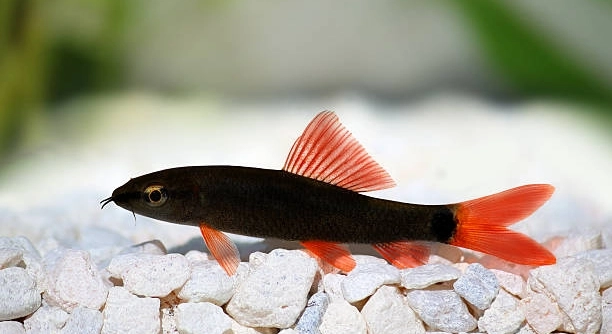
Rainbow Sharks are popular freshwater fish known for their striking colors and active behavior. However, they can sometimes show territorial aggression, which may affect their tank mates and overall harmony. Understanding this behavior is important for every aquarium enthusiast.
Managing a Rainbow Shark’s territorial behavior involves providing adequate space, creating hiding spots, maintaining a balanced environment, and monitoring interactions closely. Proper tank setup and careful observation help minimize aggression and promote a peaceful habitat for all fish.
Handling territorial issues effectively ensures a healthier aquarium environment. This article will present practical ways to keep your Rainbow Shark and other fish comfortable together.
Provide Enough Space in the Aquarium
A common cause of territorial behavior in Rainbow Sharks is a lack of space. These fish need room to swim and claim their own areas. When confined in a small tank, their aggression can increase as they try to defend limited territory. A tank of at least 30 gallons is recommended for one Rainbow Shark, with extra space for other fish. Creating separate zones using decorations or plants can also help reduce conflict. Overcrowding only worsens territorial disputes, so avoid adding too many fish. Maintaining a proper tank size and setup encourages peaceful coexistence among your aquatic pets. It gives each fish enough room to feel secure, reducing stress and aggressive behavior.
Smaller tanks force Rainbow Sharks into closer contact, increasing the chances of fights. Adequate space is key to minimizing territorial disputes.
Planning your aquarium size carefully will ensure your Rainbow Shark has enough room. This not only helps prevent aggression but also supports their overall health and activity. Consider the size and number of fish before setting up to create a balanced environment.
Add Plenty of Hiding Places
Providing hiding spots in the tank can greatly reduce stress and aggression. Rainbow Sharks use these areas to retreat when feeling threatened. Rocks, caves, and dense plants offer safe places where they can escape from more dominant fish. This reduces the need to fight and defend territory aggressively. Without enough hiding places, Rainbow Sharks feel exposed, which can increase territorial behavior.
Hiding spots give fish a way to avoid conflict and calm down.
Using a variety of decorations to create separate zones helps each fish feel secure. You can use PVC pipes, driftwood, or artificial caves alongside live or plastic plants. These additions break up sightlines, making the tank feel larger and less crowded. Careful placement ensures all fish have access to cover. Creating these safe spaces supports a calmer, more peaceful aquarium where Rainbow Sharks are less likely to act aggressively.
Maintain Consistent Water Quality
Poor water quality can increase stress and aggression in Rainbow Sharks. Keeping the water clean and stable is essential for reducing territorial behavior. Regular water changes and monitoring parameters like pH, ammonia, and nitrate help maintain a healthy environment.
A well-maintained tank prevents stress-induced aggression. Use a reliable filtration system and perform weekly water tests to keep conditions ideal. Changing 20-30% of the water every week helps remove waste and toxins. Avoid sudden changes in temperature or water chemistry, as Rainbow Sharks are sensitive to fluctuations. Stable water conditions support their immune system and reduce irritability, which helps lower territorial disputes.
In addition to regular cleaning, remove uneaten food and debris promptly. Overfeeding can lead to water pollution, which negatively affects fish health. A balanced diet and clean tank create a more peaceful atmosphere. Healthy fish tend to behave less aggressively and adapt better to their surroundings. Consistency in maintenance is key to keeping territorial behavior under control.
Use Tank Mates Carefully
Choosing compatible tank mates can help reduce your Rainbow Shark’s territorial behavior. Avoid small, slow-moving, or shy fish, as they may become targets. Opt for similarly sized, fast swimmers that can hold their own.
Tank mates with similar energy levels create a balanced community. Avoid overcrowding to reduce competition for space and resources. Introduce fish gradually to allow everyone to adjust. Keep an eye on interactions during the first few weeks. Aggressive or overly dominant species should be avoided to prevent conflicts.
A well-planned community tank encourages natural behavior without excessive fighting. Providing enough space, hiding places, and compatible companions reduces stress and helps maintain harmony. Regular observation allows you to address problems early and make changes if needed. Proper tank mate selection is an important part of managing territorial fish like Rainbow Sharks.
Avoid Overfeeding
Overfeeding can cause poor water quality and increase aggression in Rainbow Sharks. Uneaten food decomposes, releasing harmful substances that stress fish and trigger territorial behavior.
Feed your Rainbow Shark only what it can eat in a few minutes. Smaller, frequent meals are better than large amounts at once.
Keep Lighting Moderate
Bright or constant lighting can stress Rainbow Sharks, making them more territorial. Use a light timer to mimic natural day and night cycles.
A dimmer, more natural light setting helps calm the fish and reduces aggressive tendencies.
Monitor Behavior Regularly
Regular observation is essential to catch early signs of increased aggression or stress. Look for chasing, fin nipping, or hiding. Address issues immediately to prevent escalation.
Tracking behavior helps adjust tank conditions or tank mates as needed for a peaceful environment.
FAQ
How can I tell if my Rainbow Shark is being too territorial?
Signs of territorial behavior include frequent chasing, aggressive chasing of tank mates, chasing fish away from certain spots, and biting fins or tails. You may also notice your Rainbow Shark patrolling specific areas repeatedly. Increased hiding or stress behaviors in other fish can also indicate aggression. Observing these signs early helps in managing the behavior effectively.
What is the best tank size to reduce territorial aggression?
A minimum of 30 gallons is recommended for one Rainbow Shark. If you plan to keep more fish, a larger tank is necessary to provide enough space for territories. Bigger tanks reduce encounters and create natural boundaries, helping to lessen aggression.
Can Rainbow Sharks live with other fish?
Yes, but choosing compatible tank mates is important. Avoid small, slow, or timid fish, which can be targets of aggression. Fast-moving, similarly sized fish with robust temperaments work best. Careful selection and monitoring can create a peaceful community.
How often should I clean the tank to prevent aggression?
Perform water changes of about 20-30% weekly. Regular cleaning removes waste and toxins that stress fish, contributing to territorial behavior. Using a good filtration system and testing water parameters helps maintain stable conditions.
Do hiding spots really help with territorial issues?
Yes, hiding spots like caves, plants, and decorations provide safe retreats. These reduce stress and limit direct confrontations by breaking line-of-sight. This makes fish feel secure and less likely to defend territory aggressively.
Is lighting important in managing territorial behavior?
Moderate lighting with a natural day-night cycle helps reduce stress. Bright or constant lighting can increase aggression. Using timers to control light periods supports a calmer tank environment.
What should I feed my Rainbow Shark to keep it healthy?
Feed a balanced diet including high-quality pellets, flakes, and occasional live or frozen foods like bloodworms or brine shrimp. Avoid overfeeding, which can harm water quality and increase aggression.
Can tank decorations affect Rainbow Shark behavior?
Yes, decorations create boundaries and territories naturally. Proper placement of rocks, plants, and caves helps reduce fighting by giving fish separate spaces to claim.
How long does it take for Rainbow Sharks to settle and reduce territorial behavior?
It varies but generally a few weeks to a couple of months. Consistent tank maintenance, proper setup, and compatible tank mates speed up adjustment.
What should I do if aggression gets worse?
Consider rearranging the tank layout, adding more hiding spots, or increasing tank size. In severe cases, separating aggressive individuals may be necessary to protect other fish.
Can changing water temperature help reduce aggression?
Maintain stable temperatures between 74-79°F. Sudden changes can stress fish and worsen behavior, but adjusting temperature within this range won’t reduce aggression directly.
Are there any medications for territorial aggression?
There are no specific treatments for territorial behavior. Focus on environmental management, tank size, and compatible companions to reduce aggression naturally.
Can breeding affect territorial behavior?
Breeding increases territorial instincts, especially during spawning. Provide extra space and hiding places to reduce conflicts during this time.
Is it normal for Rainbow Sharks to chase each other?
Some chasing is normal for establishing territory. Problems arise if chasing becomes constant, causes injury, or stresses other fish.
How often should I check on my tank to monitor behavior?
Daily observation is best. It helps catch changes early and allows you to intervene before problems escalate.
Keeping these points in mind will help maintain a peaceful tank and enjoy the beauty of your Rainbow Shark without excessive territorial issues.
Final Thoughts
Rainbow Sharks are beautiful and active fish, but their territorial behavior can sometimes make aquarium care challenging. Understanding their needs is the first step to managing this behavior effectively. Providing enough space, proper tank mates, and a well-maintained environment can make a big difference. When these factors are in place, Rainbow Sharks are less likely to become overly aggressive, and the overall tank harmony improves. It is important to remember that some territorial behavior is natural for these fish, but it should not lead to constant stress or injury for them or their tank mates.
Keeping a clean tank with stable water quality supports the health and well-being of your Rainbow Shark. Poor water conditions can increase stress, which in turn worsens territorial aggression. Regular water changes, monitoring water parameters, and avoiding overfeeding are practical steps to maintain a healthy environment. In addition, creating hiding spots and using decorations can reduce direct confrontations by allowing fish to find their own safe spaces. These measures together help reduce tension in the tank and promote calmer behavior.
Finally, careful selection of tank mates is essential. Not all fish are suited to live with Rainbow Sharks. Choosing compatible species that can handle the active and sometimes aggressive nature of Rainbow Sharks will help keep peace in the aquarium. Observing your fish regularly is necessary to detect any signs of trouble early. If aggression becomes a problem, adjusting the tank setup or separating fish may be required. With attention and care, it is possible to enjoy the beauty and energy of Rainbow Sharks while keeping the tank environment balanced and peaceful.

Hello,
If you enjoy the content that we create, please consider saying a "Thank You!" by leaving a tip.
Every little bit helps us continue crafting quality advice that supports the health, happiness, and well-being of pets around the world, for pets of all shapes, sizes, and species.
We really appreciate the kindness and support that you show us!