
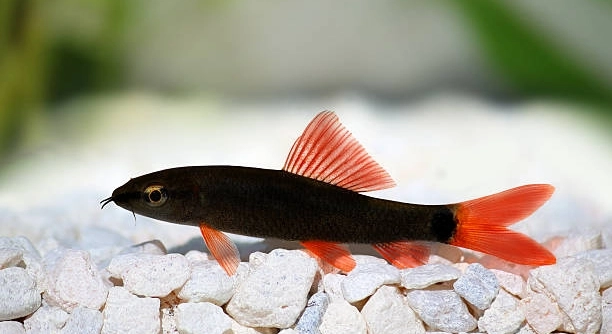
Rainbow sharks are popular aquarium fish known for their striking colors and active behavior. They usually live peacefully but can sometimes become aggressive in home tanks. Understanding the causes of their aggression helps maintain a calm environment.
Several factors can increase aggression in rainbow sharks. These include overcrowding, poor water quality, lack of hiding spaces, incompatible tank mates, insufficient diet, stress from sudden changes, and territorial behavior. Each of these contributes to heightened aggression and discomfort in the fish.
Knowing these reasons will help you create a better habitat for your rainbow shark. It is important to recognize what affects their behavior to keep them healthy and less aggressive over time.
Overcrowding in the Tank
Having too many fish in a single aquarium can cause stress for rainbow sharks. They need space to swim and establish their own territory. When the tank is crowded, sharks feel threatened and start to act aggressively toward other fish. This is because they compete for limited resources like food and hiding spots. Overcrowding also leads to poor water quality, which adds more stress. Keeping a proper number of fish helps maintain balance and reduces fights. Always check the recommended tank size and stocking limits for rainbow sharks. Giving them enough room will make them calmer and less likely to show aggressive behavior.
Too many fish in one tank disrupts the harmony and increases stress. Providing sufficient space is essential for peaceful coexistence and healthier fish.
Ensuring your rainbow shark has ample space involves choosing a large enough tank and avoiding overcrowding. A minimum of 30 gallons is usually recommended for one shark, with extra space for tank mates. Regular cleaning and monitoring water parameters also support a stress-free environment. When you create room for your fish to swim freely, aggression decreases, and they appear more vibrant and active. Proper tank setup is a simple yet effective way to keep your rainbow shark comfortable and less aggressive.
Poor Water Quality
Dirty or unstable water conditions can stress rainbow sharks, making them more aggressive. They are sensitive to changes in temperature, pH, and ammonia levels. High levels of waste or toxins cause discomfort and health problems. When water quality is poor, fish lose their natural calm and act out, sometimes attacking others. Regular water tests and changes keep the tank healthy. Using a good filtration system is also important to remove waste and keep the water clear. Maintaining clean water reduces stress and helps keep your rainbow shark’s behavior normal.
Rainbow sharks react strongly to poor water conditions. Clean, stable water promotes calm behavior and better health.
To keep water quality high, test parameters regularly, especially ammonia, nitrite, and nitrate levels. Change 20-30% of the water weekly to remove toxins and refresh the tank. Avoid overfeeding, as leftover food can pollute the water. Invest in a reliable filter and clean it as needed. Watch for cloudy water or unpleasant smells, signs that conditions need attention. By prioritizing water quality, you prevent aggression caused by stress and create a safe, comfortable environment for your rainbow shark and other fish.
Lack of Hiding Spaces
Rainbow sharks need places to hide to feel safe. Without enough shelters, they become stressed and more aggressive toward tank mates. Plants, rocks, and decorations help create hiding spots and reduce conflict.
Providing hiding places lowers aggression by giving your rainbow shark a sense of security. They use these spots to rest and avoid unnecessary confrontations. Dense plants and caves are excellent options. If the tank is bare, the shark may feel exposed, leading to defensive behavior. Adding more hiding spaces encourages peaceful interactions and helps balance territorial disputes. A well-decorated tank mimics their natural habitat and improves their comfort, which often results in calmer fish.
Regularly rearranging decorations can refresh their environment and reduce boredom. It also prevents the shark from becoming overly territorial over one specific area. Observing your fish’s behavior will help identify if more shelters are needed.
Incompatible Tank Mates
Rainbow sharks can show aggression if they share the tank with unsuitable fish. They prefer peaceful but robust companions that don’t invade their space. Aggressive or very small fish can trigger conflicts.
Choosing tank mates carefully minimizes aggression. Avoid fin-nippers or overly active species that stress the shark. Ideal companions are mid-sized, calm fish like certain tetras or barbs. Fast or aggressive fish can provoke your rainbow shark, leading to fights and injuries. Compatibility depends on temperament, size, and tank conditions. Introducing new fish slowly allows your shark to adjust and reduces stress-related aggression. Monitor interactions closely to ensure harmony. When tank mates suit the rainbow shark’s needs, all fish can coexist peacefully and thrive.
Insufficient Diet
A poor diet can make rainbow sharks irritable and aggressive. They need a balanced mix of proteins, vegetables, and pellets to stay healthy.
Feeding your shark the right food prevents hunger-driven aggression. Overfeeding or underfeeding disrupts their behavior and overall well-being.
Stress from Sudden Changes
Rainbow sharks are sensitive to sudden changes in their environment. Moving the tank, changing water parameters quickly, or introducing new fish too fast causes stress.
Stress makes them more likely to show aggression. Keeping a stable environment and making changes slowly helps maintain calm behavior.
Territorial Behavior
Rainbow sharks naturally claim territories in the tank. They defend these areas from intruders, which can lead to aggression if space is limited.
Providing enough room and hiding spots reduces territorial fights. Understanding this instinct helps in managing their behavior better.
Why is my rainbow shark suddenly aggressive?
Sudden aggression in rainbow sharks often happens because of changes in their environment or stress. It could be due to overcrowding, poor water quality, or a new tank mate they see as a threat. Sometimes, sudden shifts in temperature or water parameters cause discomfort, making them act out. If their space feels invaded or they don’t have enough hiding spots, they may also become defensive. Checking these conditions carefully helps identify the cause and reduce aggressive behavior.
Can tank size affect aggression in rainbow sharks?
Yes, tank size plays a big role in controlling aggression. Rainbow sharks need enough space to swim freely and claim their own territory. A tank that is too small can make them feel crowded and stressed. This often leads to territorial fights and chasing other fish. A minimum of 30 gallons is recommended for one rainbow shark, but larger tanks are better if you have more fish. Providing enough room helps your shark feel secure and less aggressive.
How often should I change the water to keep my rainbow shark calm?
Regular water changes are important to keep your rainbow shark calm and healthy. Changing about 20-30% of the water every week helps remove waste and toxins. This keeps ammonia and nitrite levels low, which reduces stress. Stress from poor water quality often causes aggression, so staying on top of maintenance is key. Avoid changing all the water at once, as sudden shifts can also stress the fish.
What are good tank mates for a rainbow shark?
Good tank mates for rainbow sharks are peaceful but sturdy fish that don’t bother them or crowd their space. Examples include certain tetras, barbs, and gouramis. Avoid very small fish that can be seen as food or very aggressive species that may provoke fights. Fish that swim at different levels of the tank also help reduce conflicts. Introducing new tank mates slowly gives your rainbow shark time to adjust.
Why does my rainbow shark attack other fish during feeding?
Rainbow sharks can get aggressive during feeding because they compete for food and become territorial. If there isn’t enough food or it isn’t spread evenly, they may chase or nip at others. Overfeeding can also cause problems by polluting the water and stressing fish. Feeding small amounts multiple times a day and ensuring everyone gets enough helps reduce feeding aggression.
Do decorations and plants affect my shark’s aggression?
Yes, decorations and plants help reduce aggression by providing hiding spots and breaking up open space. Rainbow sharks feel safer when they have places to rest and hide. This reduces stress and territorial behavior. Without enough shelters, they may become more aggressive trying to protect limited spaces. Adding caves, rocks, and dense plants creates a more comfortable environment for all fish.
Can stress cause health problems in rainbow sharks?
Stress can lead to serious health problems in rainbow sharks, including weakened immune systems, disease, and poor growth. Aggression is often a sign of stress, so it’s important to address the causes quickly. Maintaining good water quality, proper tank size, and suitable tank mates helps keep stress low. When fish are calm and comfortable, they stay healthier and live longer.
How can I tell if my rainbow shark is stressed or just being territorial?
Stress often shows with signs like hiding, loss of appetite, rapid breathing, or dull colors. Territorial behavior is usually visible as chasing or nipping at other fish near specific areas. If aggression is constant and the fish looks unhealthy, stress is likely a factor. If it only happens around certain spots, it’s probably territorial instinct. Watching closely helps determine the right action.
Is it normal for rainbow sharks to be aggressive sometimes?
Yes, some aggression is normal because rainbow sharks are naturally territorial. They defend their space to feel safe. However, constant or extreme aggression indicates a problem like overcrowding, poor water conditions, or stress. Managing the tank environment and providing enough space and hiding spots helps keep normal behavior in balance without excessive fighting.
What should I do if my rainbow shark keeps attacking other fish?
If aggression continues, first check tank size, water quality, and hiding spots. Remove any aggressive tank mates if possible. Consider separating the shark in a different tank temporarily to reduce stress. Feeding properly and maintaining stable conditions also helps. In some cases, adding more plants or rearranging decorations can reduce territorial disputes. If problems persist, consulting a fish expert might be needed.
Rainbow sharks can be wonderful additions to a home aquarium, but they do have specific needs to stay calm and healthy. Their natural territorial behavior means they can become aggressive if conditions are not right. Understanding what causes this aggression is important for any fish keeper. Factors like overcrowding, poor water quality, lack of hiding spots, incompatible tank mates, and stress from sudden changes all play a role in their behavior. By addressing these issues, it is possible to reduce aggression and create a peaceful tank environment.
Keeping a rainbow shark’s tank clean and well-maintained is essential. Regular water changes and proper filtration help keep water parameters stable and free of toxins. This reduces stress and keeps the fish comfortable. Providing enough space is also important because a crowded tank can quickly lead to fights. Decorations such as plants, rocks, and caves offer places for the shark to hide and feel safe. Choosing suitable tank mates that do not provoke or stress the shark will help maintain harmony. Feeding the right diet in appropriate amounts supports their health and behavior.
Overall, maintaining a stable and balanced aquarium environment is key to keeping your rainbow shark less aggressive. Watching your fish closely and making adjustments when needed can improve their wellbeing. Taking the time to learn about their needs and behavior will help you enjoy a peaceful and attractive tank. Rainbow sharks are resilient and beautiful fish, and with proper care, they can thrive alongside other species. Patience and attention to detail make a big difference in managing aggression and ensuring your fish are happy.

Hello,
If you enjoy the content that we create, please consider saying a "Thank You!" by leaving a tip.
Every little bit helps us continue crafting quality advice that supports the health, happiness, and well-being of pets around the world, for pets of all shapes, sizes, and species.
We really appreciate the kindness and support that you show us!