
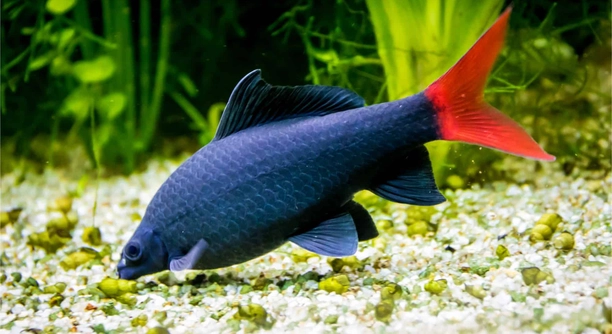
Is your rainbow shark swimming around but refusing to eat, leaving you worried and unsure of what to do next?
The most common reason your rainbow shark isn’t eating properly is due to environmental stress. Poor water quality, aggressive tank mates, or sudden changes in habitat can cause your fish to stop eating altogether.
Understanding these causes can help you create a safer, healthier space and get your rainbow shark back to its usual eating habits.
Check Your Water Conditions
Water quality plays a major role in your rainbow shark’s behavior. If the water isn’t clean or stable, your fish may stop eating. Start by testing for ammonia, nitrite, and nitrate levels. These should be at safe, balanced levels. Ammonia and nitrite should be zero, and nitrates should be below 40 ppm. Also, check the water temperature, which should stay between 72°F and 82°F. Use a reliable heater and thermometer to avoid fluctuations. High or low pH can also create stress, so aim for a pH between 6.5 and 7.5. Regular partial water changes—around 20% every week—help keep the tank in good shape. Avoid over-cleaning, as it can disturb beneficial bacteria. If your shark still won’t eat, consider doing a full set of water tests to rule out hidden issues. Poor water conditions are often the first thing to fix before looking at other causes.
Small things like cloudy water or strange smells can also signal a problem. Keep an eye out for anything unusual.
Keeping the tank clean gives your rainbow shark a better chance at feeling safe. Once the environment is right, appetite usually improves in a few days.
Watch for Tank Mate Aggression
Rainbow sharks can be territorial, especially in smaller tanks or when housed with the wrong fish. Aggressive tank mates can stress them out.
Avoid keeping rainbow sharks with fish that nip, chase, or claim the same space. Fish like red tail sharks, other bottom dwellers, or overly active swimmers can trigger stress. A stressed shark may hide more and refuse to eat. If your tank is under 50 gallons, it may not be enough room for multiple territorial species. Adding more hiding spots, like caves or plants, can help reduce visible stress. Sometimes, rearranging the tank decorations helps break up established zones. If the aggression continues, you may need to rehome one of the fish or get a larger tank. Keep in mind that even passive tank mates can be a problem if the rainbow shark feels crowded. Giving it space and quiet time may restore its comfort and help bring back its appetite.
Adjust Their Feeding Routine
Sometimes, rainbow sharks refuse food because they aren’t used to how or when it’s offered. Feeding them at inconsistent times or too often can cause confusion or loss of interest.
Try feeding your rainbow shark once or twice a day at the same time. Keep portions small—only what they can eat in two minutes. Uneaten food affects water quality and appetite. Stick to a routine so your fish can anticipate meals. Also, turn off filters during feeding if the current pushes food away too quickly. This makes eating easier for bottom dwellers like rainbow sharks. If your fish still seems uninterested, try feeding early in the morning or later in the evening. Some fish prefer quieter feeding times. A stable schedule not only builds routine but also reduces stress.
You might also be feeding too much without realizing it. Overfeeding can cause digestive issues, and that may lead your fish to stop eating. Keep an eye on their belly. A bloated or discolored stomach may signal the need for a feeding break. Fast them for one day and then offer a lighter meal. Getting their system back on track often helps bring their appetite back slowly. Keep things consistent, and you’ll likely notice a change.
Offer the Right Food Options
Not all rainbow sharks accept the same food. Some may ignore flakes but respond well to pellets or frozen options like bloodworms or brine shrimp. Preferences can vary based on age or individual taste.
If your rainbow shark isn’t eating, switch up what you offer. Try sinking pellets or algae wafers designed for bottom feeders. Frozen foods are a good option too, especially for picky eaters. Let frozen foods thaw before dropping them into the tank. Live foods, like daphnia or blackworms, can also trigger natural hunting instincts. This may help stimulate appetite. Avoid feeding human food or items not made for aquarium fish. Nutritional balance is important. Rotate between protein-rich options and plant-based choices like spirulina. This keeps their diet varied and supports overall health. A little experimenting with food types often makes a big difference, especially if you’ve been feeding the same thing every day.
Check for Illness or Injury
If your rainbow shark is hiding more than usual or has faded colors, it may be sick. Loss of appetite is often one of the first signs. Look for red spots, white patches, or clamped fins.
Internal parasites and bacterial infections can also stop them from eating. Use medication if needed.
Give Them Time to Settle
When rainbow sharks are new to a tank, it’s normal for them to avoid food for a few days. Stress from transport, new surroundings, or being introduced to other fish can affect their behavior. Keep the tank quiet and avoid handling or sudden changes during this time. Don’t rush feeding—wait until they begin exploring more. Provide hiding spaces and low lighting for comfort. Offer food once a day and remove anything uneaten after a few minutes. Some fish just need time to adjust before they feel safe enough to eat. With patience, they usually begin eating again once they feel secure.
Avoid Frequent Tank Changes
Changing the tank layout too often can cause stress. Rainbow sharks like consistency, and rearranging plants or décor too much may unsettle them. Keep changes minimal and spaced out to avoid interrupting their routine.
Why isn’t my rainbow shark eating even though the water looks fine?
Sometimes water parameters can seem okay but still be slightly off for your rainbow shark’s comfort. Small changes in pH, temperature, or chemical levels might not be obvious but can cause stress. Also, buildup of toxins like ammonia or nitrites may be at low but harmful levels. Testing water with a reliable kit is important. Another factor is tank environment—too much noise, bright lights, or aggressive tank mates can keep your fish from eating. Lastly, if your fish recently moved or the tank was cleaned too aggressively, it might be stressed and need time to adjust.
How long can a rainbow shark go without eating before it becomes dangerous?
Rainbow sharks can typically survive without food for about one to two weeks, but this varies by age and health. Younger or weaker fish may suffer faster. Going without food stresses their immune system and slows growth. If your fish isn’t eating for more than three days, it’s important to find the cause quickly. Prolonged fasting can lead to weight loss, weakened defenses, and vulnerability to illness. Monitoring your rainbow shark closely and addressing problems early can help prevent serious health issues.
Can feeding live food improve my rainbow shark’s appetite?
Yes, offering live food often stimulates a rainbow shark’s natural hunting instincts and encourages eating. Live foods like bloodworms, brine shrimp, or daphnia move around, catching the fish’s attention more than static pellets or flakes. This can help picky eaters or stressed fish regain interest in food. However, live foods should be sourced carefully to avoid introducing parasites or diseases. It’s best to buy from reputable suppliers and occasionally mix live foods with frozen or pellet options to maintain a balanced diet.
Is overfeeding harmful to rainbow sharks?
Overfeeding is one of the most common mistakes in aquarium care. Excess food can pollute the water, increasing ammonia and nitrate levels, which harms fish health. Overfed rainbow sharks may become lethargic, develop digestive problems, and lose their appetite. Uneaten food decays and clouds the tank, creating stress. Feeding small amounts that the fish can finish within two to three minutes is best. Skipping feeding days or fasting once a week can help regulate their digestive system and keep them healthy.
What’s the best tank size for a rainbow shark?
Rainbow sharks need at least a 30-gallon tank to have enough space to swim and establish territory. Smaller tanks create stress and territorial fights, especially if there are other bottom-dwelling fish. A larger tank provides more stable water conditions and room for hiding spots, which helps reduce stress and improves feeding behavior. If you plan to keep multiple rainbow sharks, you’ll need an even bigger tank—50 gallons or more—to avoid conflicts and overcrowding.
How do I know if my rainbow shark is stressed?
Signs of stress include hiding more than usual, faded colors, clamped fins, and refusal to eat. They may also swim erratically or stay near the surface or filter outlets. Stress can come from poor water quality, aggressive tank mates, sudden changes, or illness. Watch closely for these behaviors and test water conditions regularly. Adding plants, caves, or decorations can provide hiding places and reduce stress. Keeping a consistent feeding schedule and avoiding loud noises around the tank also helps your fish feel more secure.
Should I separate my rainbow shark if it refuses to eat?
Separating a rainbow shark can be helpful if it’s bullied or stressed by other fish. A quarantine or hospital tank with clean water and gentle conditions allows your fish to recover safely. It also makes monitoring eating habits easier. However, isolation should be temporary and done carefully to avoid causing more stress. Ensure the quarantine tank has similar water parameters and some hiding spots. If your rainbow shark resumes eating in a separate tank, aggression or stress in the main tank is likely the problem.
Can water temperature changes affect my rainbow shark’s appetite?
Yes, temperature swings can make rainbow sharks stop eating. These fish prefer stable temperatures between 72°F and 82°F. If the water is too cold, their metabolism slows down, reducing hunger. Too warm, and they may become stressed or oxygen-starved. Sudden drops or spikes, often caused by heater malfunctions or room temperature changes, are stressful. Use a reliable heater and thermometer to keep the temperature steady. Gradual changes are less harmful, but constant fluctuations can damage health and appetite.
Is it normal for rainbow sharks to refuse food at night?
Rainbow sharks are mostly active during the day and prefer to eat in low light or early morning hours. Refusing food at night is common because they rest or hide. Feeding should match their natural rhythms. Offer food once or twice a day during daylight hours, avoiding late-night feedings. Overfeeding at night can cause water issues and uneaten food buildup. Observe when your fish shows the most interest and adjust feeding times accordingly to fit their natural behavior.
Can adding plants to the tank help with feeding issues?
Plants provide hiding spots and reduce stress, which can encourage better eating habits. Live plants also help improve water quality by absorbing nitrates and providing oxygen. Dense plant cover mimics natural habitat, making your rainbow shark feel safer and more comfortable. Some plants also produce algae that rainbow sharks graze on. However, ensure plants don’t block access to food or trap uneaten pellets. A balanced setup with both open swimming areas and plenty of cover supports your fish’s well-being and appetite.
Taking care of a rainbow shark that isn’t eating properly can feel challenging, but understanding the main reasons behind this behavior helps a lot. Often, the issue comes down to water quality or stress in the tank environment. These fish are sensitive to changes and need stable conditions to feel safe and comfortable enough to eat. Regularly testing water and keeping the tank clean is a simple but important step. Even small shifts in temperature, pH, or chemical levels can affect their appetite. Giving your fish a calm space, free from aggressive tank mates and sudden changes, can make a big difference in how soon they start eating again.
Another important factor is the food you offer. Rainbow sharks have preferences and might refuse food if it isn’t appealing or suited to their needs. Offering a variety of foods—such as sinking pellets, frozen bloodworms, or algae wafers—can help tempt even picky eaters. Feeding at consistent times and in small amounts also builds routine and encourages healthy habits. Avoid overfeeding, as leftover food pollutes the water and can cause more problems. Patience plays a key role too, especially with new or stressed fish. Sometimes they just need time to adjust before their appetite returns to normal.
Lastly, watching for signs of illness or injury is critical. If your rainbow shark hides a lot, shows faded colors, or has unusual spots, these can be signs of health problems that affect eating. In these cases, using proper medication or isolating the fish may be necessary. Stress, illness, and environment all connect, so taking a holistic approach to care works best. By paying attention to water quality, tank conditions, feeding routine, and the fish’s behavior, you can support your rainbow shark’s well-being and help it regain its appetite. With consistent care and patience, most issues can be resolved, leading to a healthier, happier fish.

Hello,
If you enjoy the content that we create, please consider saying a "Thank You!" by leaving a tip.
Every little bit helps us continue crafting quality advice that supports the health, happiness, and well-being of pets around the world, for pets of all shapes, sizes, and species.
We really appreciate the kindness and support that you show us!