
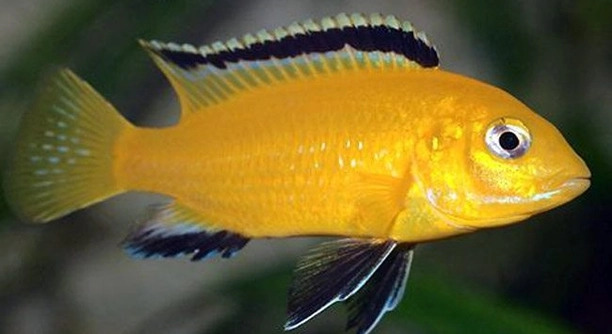
Are your cichlid tanks feeling cramped and full? Overcrowding can happen easily when these vibrant fish multiply or when tank size doesn’t match their needs. Managing space properly is essential for their health and comfort.
Handling an overcrowded cichlid tank involves reducing fish population, improving filtration, increasing water changes, rearranging decorations, and possibly upgrading to a larger tank. These steps help maintain water quality, reduce stress, and promote a healthier environment for the fish.
Knowing how to address overcrowding will improve your cichlids’ wellbeing and keep your tank balanced. The following tips provide practical ways to handle this common issue.
Recognize When Your Tank Is Overcrowded
Overcrowding in a cichlid tank happens when there are too many fish for the space available. This leads to poor water quality, increased aggression, and health problems. You might notice your fish acting stressed or hiding more often. Signs like cloudy water, frequent algae blooms, and an unpleasant smell are indicators that the tank is overstocked. Fish may also show physical signs such as torn fins or unusual marks due to fights caused by limited space. It’s important to act quickly once you recognize these symptoms. Overcrowding can also strain your filtration system, making it less effective at keeping the water clean. The key is to monitor the number of fish relative to tank size and their behavior regularly. Keeping a well-balanced environment supports the natural behavior and growth of your cichlids.
Monitoring tank conditions and fish behavior helps prevent overcrowding problems before they worsen.
Proper observation keeps your cichlids healthy and your tank environment stable, avoiding unnecessary stress for the fish.
Adjust Tank Size or Fish Population
Reducing the number of fish is often necessary to improve overcrowded conditions. You can either move some fish to another tank or find new homes for them. When adding new fish, always consider the tank’s capacity and the size adult cichlids will reach. Increasing the tank size is another solution but it requires more space and equipment. Upgrading to a larger tank allows fish to swim freely and reduces territorial disputes. It also improves oxygen circulation and filtration effectiveness. If neither reducing fish numbers nor expanding the tank is possible, focus on enhancing water quality through regular maintenance and better filtration. Keeping the population balanced ensures healthier fish and reduces the risk of disease outbreaks. Proper planning when setting up the tank initially helps avoid overcrowding in the future.
Balancing tank size and fish population creates a safer and more comfortable habitat for cichlids to thrive.
Improve Filtration and Water Quality
Good filtration is essential for an overcrowded cichlid tank. It helps remove waste and toxins that build up quickly. A strong filter supports clearer water and healthier fish.
Using a filter rated for a larger tank than you have is helpful. This ensures it can handle extra waste. Regularly clean and maintain your filter to keep it working efficiently. Consider adding biological filtration media to support beneficial bacteria growth. These bacteria break down harmful substances naturally. Frequent water changes are also important. They dilute pollutants and refresh the tank environment. Combining strong filtration with regular water changes greatly improves water quality and fish health.
Remember that filters need time to mature after cleaning or replacement. Avoid cleaning all filter media at once to preserve beneficial bacteria. Balanced filtration and maintenance reduce stress and illness in overcrowded tanks.
Rearrange Decorations and Create Territories
Rearranging tank decorations can reduce aggression among cichlids. Adding rocks, plants, and caves provides hiding spots and defined territories. This helps fish feel secure and lowers fighting. Each cichlid can claim its own space, which minimizes stress caused by overcrowding.
Make sure to create multiple territories with enough hiding places. Avoid open areas where fish can’t escape from dominant individuals. Use natural materials that are safe for the tank environment. Rearranging decorations regularly also helps prevent territorial disputes, as fish must adjust to new boundaries. Properly arranged territories promote peaceful coexistence and healthier behavior among your cichlids. It also adds visual interest to the tank, making it more enjoyable to watch.
Creating a varied environment benefits fish welfare and reduces stress caused by overcrowding and competition.
Increase Water Changes
Regular water changes help keep an overcrowded tank clean. They remove excess waste and reduce toxins that build up quickly. Changing 20-30% of the water weekly is recommended for crowded tanks.
Using a gravel vacuum during water changes also helps remove debris from the substrate. This prevents harmful bacteria from growing and keeps the tank healthier for your cichlids.
Monitor Fish Health Closely
Overcrowded tanks increase the risk of illness among cichlids. Watch for signs like faded colors, lethargy, or abnormal swimming. Early detection allows for quick treatment and prevents disease spread. Regularly checking fish health is vital to maintaining a balanced tank environment.
Avoid Overfeeding
Feeding your cichlids only what they can eat in a few minutes prevents excess food from polluting the water. Overfeeding adds waste and causes water quality to decline quickly, especially in overcrowded tanks. Stick to small, measured feedings.
Plan for the Future
Consider long-term tank management by selecting fewer fish or larger species that require more space. Planning ahead reduces overcrowding issues and creates a healthier, more sustainable environment for your cichlids.
What are the signs that my cichlid tank is overcrowded?
Overcrowding causes several visible and behavioral changes in your tank. Fish may become aggressive, showing biting or chasing behaviors more often. You might notice cloudy water, excessive algae growth, or an unpleasant odor. Fish may hide frequently or show physical damage like torn fins. Frequent filter clogging or rapid buildup of waste also indicates too many fish for the tank size. Monitoring these signs early helps prevent bigger problems.
How many cichlids can I keep in one tank?
The number depends on the tank size and cichlid species. A general rule is one inch of fish per gallon of water, but cichlids need more space due to their territorial nature. For example, a 30-gallon tank is suitable for 4 to 6 medium-sized cichlids. Larger species require even more space. Always research the adult size and behavior of your fish before deciding how many to keep.
Can I fix overcrowding without getting a bigger tank?
Yes, there are steps to improve overcrowding without upgrading the tank. Reducing the number of fish by rehoming some is effective. Improving filtration and increasing water changes also help maintain water quality. Rearranging decorations to create territories reduces aggression. Overfeeding should be avoided to minimize waste. These changes improve conditions, but a larger tank is often the best long-term solution.
What happens if I don’t address overcrowding?
Ignoring overcrowding can lead to poor water quality, increased stress, and illness among your fish. High waste levels cause ammonia and nitrite spikes, which are toxic to cichlids. Constant stress weakens their immune systems, making them more prone to disease. Aggression and fighting increase, resulting in injuries or death. The overall health of your tank deteriorates, making it harder to maintain.
How often should I clean and maintain my tank in overcrowded conditions?
In overcrowded tanks, more frequent maintenance is necessary. Weekly water changes of 20-30% are recommended. Clean the filter media partially every few weeks to avoid losing beneficial bacteria. Remove uneaten food and debris regularly using a gravel vacuum. Check water parameters often to ensure ammonia, nitrite, and nitrate levels remain safe. Staying consistent with maintenance helps keep the environment stable for your fish.
Is it safe to mix different cichlid species in one tank?
Mixing species can be risky, especially in crowded tanks. Some cichlids are aggressive or territorial and may attack others. If you want a mixed tank, research compatible species and ensure enough space and hiding spots. Avoid mixing highly aggressive species with peaceful ones. Creating territories with decorations helps reduce conflicts. Careful planning minimizes aggression and keeps fish healthier.
Can overcrowding affect fish breeding?
Yes, overcrowding can negatively impact breeding. Stress from limited space and aggression lowers fish readiness to spawn. Eggs and fry may be eaten by other tank inhabitants. Poor water quality can cause developmental problems for young fish. To support breeding, provide ample space, reduce aggression, and maintain excellent water conditions. Using separate breeding tanks is often recommended for successful reproduction.
How do I reduce aggression in an overcrowded cichlid tank?
Reducing aggression involves providing enough hiding places and territory boundaries. Rearranging decorations regularly forces fish to adapt and lowers dominance issues. Maintaining good water quality and avoiding overfeeding also reduces stress and aggression. Sometimes removing the most aggressive fish is necessary. Ensuring the tank is not overcrowded remains the best way to keep peace.
Can filtration systems handle overcrowded tanks?
Standard filtration often struggles with overcrowded tanks due to excess waste. Upgrading to a more powerful filter or adding additional filtration helps manage waste buildup. Biological filtration is essential to support bacteria that break down toxins. Mechanical filtration removes debris effectively. Combining filtration improvements with regular water changes supports a healthier tank.
What type of food is best for cichlids in a crowded tank?
Feed cichlids a balanced diet suitable for their species. Use high-quality pellets or flakes designed for cichlids. Supplement with frozen or live foods like brine shrimp or bloodworms occasionally. Avoid overfeeding; offer only what fish can consume within a few minutes. Overfeeding increases waste and worsens water quality, especially in crowded tanks. Consistent, moderate feeding promotes better health.
How can I tell if my fish are stressed from overcrowding?
Stress signs include rapid breathing, hiding, loss of appetite, and erratic swimming. Color fading or clamped fins also indicate stress. Increased aggression and injuries are common. Monitoring these behaviors regularly helps catch problems early. Reducing overcrowding and improving tank conditions usually lowers stress and improves fish wellbeing.
Is quarantine necessary when rehoming fish from an overcrowded tank?
Quarantining new or relocated fish is recommended to prevent disease spread. Overcrowded tanks increase illness risk, so moving fish directly without quarantine can infect others. Keep new fish isolated for 2-4 weeks in a separate tank while monitoring health. Quarantine tanks should have proper filtration and stable water conditions. This practice protects both new and existing fish populations.
Final thoughts on handling an overcrowded cichlid tank focus on the importance of balance and careful management. Overcrowding affects water quality, fish health, and behavior. It can lead to stress, illness, and aggression among cichlids. The first step is recognizing when the tank has too many fish and taking action quickly. Whether this means reducing the number of fish, upgrading the tank size, or improving filtration, each step helps create a healthier environment. It is important to remember that cichlids need space not only to swim but also to establish territories. Giving them enough room reduces fighting and keeps them calmer.
Maintaining good water quality is crucial in a crowded tank. Regular water changes and strong filtration prevent harmful waste buildup. Filters need to be cleaned properly and sometimes upgraded to handle the extra load. Feeding habits should also be adjusted; overfeeding can worsen water conditions. Creating hiding spots with rocks, plants, or caves helps cichlids feel safe and lowers stress. Watching fish behavior and health regularly is necessary to catch any issues early. Taking these steps together ensures the tank remains a suitable home for your fish, even when space is limited.
Planning ahead is the best way to avoid overcrowding problems in the future. Choosing the right number of fish for your tank size and species type saves trouble later. Sometimes it means starting with fewer fish or selecting species that are less territorial or smaller. Paying attention to how your cichlids grow and behave allows you to adjust their living space as needed. Handling overcrowding requires ongoing care and attention but leads to a balanced tank where cichlids can thrive. With the right approach, you can maintain a clean, peaceful, and healthy aquarium environment.

Hello,
If you enjoy the content that we create, please consider saying a "Thank You!" by leaving a tip.
Every little bit helps us continue crafting quality advice that supports the health, happiness, and well-being of pets around the world, for pets of all shapes, sizes, and species.
We really appreciate the kindness and support that you show us!