
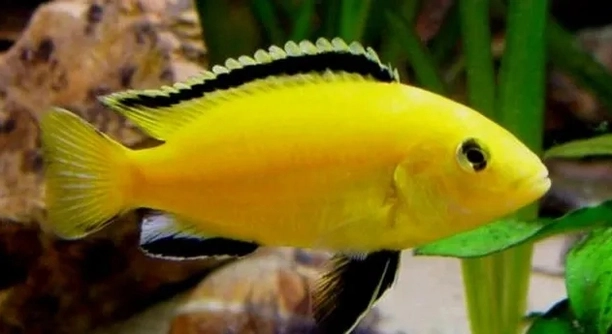
Cichlids need proper lighting to stay healthy and active in their tanks. Setting the right lighting schedule can improve their behavior, coloration, and overall well-being. Many fishkeepers may not realize how important this aspect truly is.
Maintaining ideal lighting schedules for cichlids involves balancing light duration and intensity to mimic natural day-night cycles. Consistent, well-timed lighting supports their biological rhythms, reduces stress, and promotes healthy growth and vibrant colors.
Knowing the best lighting patterns can help keep your cichlids happy and thriving in their environment. The following schedules offer practical options for various tank setups and cichlid species.
Understanding Natural Light Cycles
Cichlids have evolved in environments where light changes naturally throughout the day. Mimicking these natural light cycles in your aquarium helps them maintain their health and normal behaviors. Typically, cichlids experience about 10 to 12 hours of daylight, followed by darkness to rest. Lighting that is too bright or too long can stress the fish, causing them to become inactive or lose color. On the other hand, too little light might slow down their activity and affect feeding habits. Setting a timer for your aquarium light is a simple way to keep a consistent schedule. Avoid sudden changes by gradually adjusting the light intensity during dawn and dusk periods. This approach supports their circadian rhythm, which influences feeding, breeding, and overall well-being. Watching your cichlids become more vibrant and active after adjusting lighting is rewarding and confirms the positive impact of a well-planned lighting schedule.
Properly replicating light cycles contributes significantly to a stable environment for your cichlids, encouraging natural behavior and growth.
Lighting schedules should align with the species’ natural habitat, ensuring optimal health and stress reduction in your tank.
Choosing the Right Light Intensity
Light intensity affects cichlid health differently based on species and tank conditions. High-intensity lighting can enhance their colors, but it may also increase algae growth, which can affect water quality and fish health. On the other hand, low light may cause dull colors and reduce fish activity. Balancing light intensity with the type of aquarium plants and decorations is essential. If you have live plants, brighter light supports photosynthesis but requires careful monitoring to avoid algae overgrowth. For tanks with minimal plants or darker backgrounds, moderate light intensity helps maintain a natural look without stressing the fish. Using adjustable LED lights allows fine control over intensity and duration, offering flexibility to suit your specific tank needs. Regularly observing your cichlids’ behavior and color changes helps determine if adjustments are needed to keep the lighting just right.
Choosing the right light intensity is a key part of creating a healthy and visually appealing environment.
Proper lighting management prevents excessive algae while supporting fish well-being and vibrant colors over time.
Recommended Daily Lighting Duration
Most cichlids thrive with about 10 to 12 hours of light daily. This schedule mimics their natural environment and supports healthy activity levels. Avoid exceeding 12 hours, as longer exposure can lead to stress and algae problems.
Keeping a consistent daily lighting duration helps regulate your cichlids’ biological clock. Sudden changes or irregular schedules may confuse them and disrupt their feeding and breeding behaviors. Using a timer simplifies this process and ensures stability.
Balancing the lighting time with the tank’s other conditions, such as temperature and filtration, creates a comfortable habitat. Observing your cichlids’ behavior during these set hours allows you to tweak the lighting duration for best results.
Gradual Light Changes
Sudden light changes can startle cichlids and cause stress. Gradual light transitions in the morning and evening create a natural dawn and dusk effect. This approach supports their circadian rhythm and reduces agitation.
Using dimmable LED lights or adding a soft light source during transitions helps achieve this effect. Gradual changes allow fish to prepare for activity or rest, improving overall well-being. It also benefits plants and algae control by avoiding sharp light shifts.
Gradual light adjustments contribute to a balanced aquarium environment that feels natural and calming for cichlids. Maintaining this routine helps sustain their health and encourages normal daily patterns.
Avoiding Overexposure
Too much light can cause stress and weaken your cichlids’ immune systems. It also encourages excessive algae growth, which affects water quality. Keeping light exposure within recommended limits is essential.
Monitoring how your fish react to light changes helps prevent overexposure. Adjusting light duration and intensity ensures a healthy balance in the tank.
Using Timers for Consistency
Timers provide precise control over lighting schedules, removing guesswork and human error. They ensure your cichlids experience consistent day-night cycles, which supports their biological rhythms and reduces stress.
With a timer, you avoid abrupt changes caused by manual switching. This automation keeps lighting regular, which benefits fish behavior, feeding, and breeding. Timers also free you from daily tasks, making maintenance easier.
Nighttime Darkness
Complete darkness at night is important for cichlids to rest properly. Light during these hours can disrupt their sleep cycle and stress them.
FAQ
How long should cichlid lights be on each day?
Most cichlids do well with 10 to 12 hours of light daily. This range replicates their natural environment and supports their normal activity and feeding patterns. Using a timer helps keep the schedule consistent, which is important for their health. Avoid exceeding 12 hours, as too much light can stress your fish and encourage algae growth.
Can I leave the aquarium light on overnight?
Leaving lights on overnight is not recommended. Cichlids need a period of darkness to rest and recover, just like they would in the wild. Continuous light can disrupt their sleep cycle, causing stress and weakening their immune system. Make sure your tank has about 12 hours of darkness each day to promote healthy behavior and well-being.
What happens if the lighting schedule is inconsistent?
Inconsistent lighting confuses cichlids and can lead to stress. Fish rely on a regular day-night cycle to regulate feeding, breeding, and activity levels. Sudden or irregular changes in light disrupt their biological clock and may cause unusual behavior, reduced appetite, or color fading. Using a timer ensures a steady routine, which is best for their health.
How bright should the light be in a cichlid tank?
The brightness depends on the species and the tank setup. Generally, moderate light is best. Too bright lighting may cause stress and encourage algae growth, while too dim light can dull your cichlids’ colors and reduce activity. Adjustable LED lights are a good choice because they allow you to fine-tune the intensity based on your tank’s needs.
Is it necessary to simulate dawn and dusk in aquarium lighting?
Simulating gradual light changes during dawn and dusk helps cichlids adjust to the day and night. Sudden light shifts can startle and stress them. Using dimmable lights or a soft, secondary light source to mimic these natural transitions supports their circadian rhythm, improving overall health and behavior.
Can lighting affect algae growth in my tank?
Yes, lighting is a major factor in algae growth. Too much light, especially if it is bright or left on for too long, encourages algae to multiply rapidly. This can harm water quality and your fish’s health. Balancing light duration and intensity helps control algae naturally. Regular tank maintenance also plays a key role.
What type of lighting is best for planted cichlid tanks?
For planted tanks, brighter light that supports photosynthesis is important. However, it still needs to be balanced to avoid excessive algae. Full-spectrum LED lights designed for planted aquariums offer the right balance of brightness and energy efficiency. Adjusting duration and intensity based on your plants’ and fish’s needs leads to the best results.
Should lighting schedules change with the seasons?
If your tank is indoors with artificial lighting, changing schedules seasonally isn’t necessary. However, if your tank is near a window and receives natural light, slight adjustments might be needed. Keeping a consistent artificial lighting schedule helps maintain stable conditions, regardless of outdoor changes, which benefits your cichlids’ health.
How do I know if my cichlids are stressed due to lighting?
Signs of stress from lighting include hiding, loss of color, sluggish movement, and reduced appetite. If you notice these behaviors after changing lighting or if the light is too strong or on for too long, consider adjusting the schedule or intensity. Monitoring your fish regularly helps catch stress early and improve their environment.
Can different cichlid species require different lighting schedules?
Yes, lighting needs can vary depending on the species’ natural habitats. Some cichlids from shaded or murky waters may prefer lower light, while those from open, sunny environments might thrive with brighter conditions. Researching your specific cichlid species’ natural habitat helps you create an ideal lighting schedule tailored to their needs.
Maintaining the right lighting schedule is an important part of caring for cichlids. Proper light helps support their natural behaviors, health, and overall well-being. By matching the lighting duration and intensity to what they would experience in the wild, you create an environment that encourages healthy activity, feeding, and even breeding. It is easy to overlook lighting when setting up an aquarium, but paying attention to this detail can make a big difference in how your fish look and act.
Consistency in lighting is key. Using a timer ensures your cichlids get the same amount of light each day, which helps regulate their internal clocks. Sudden changes or too much light can cause stress, which may lead to health problems or dull colors. On the other hand, too little light can reduce their activity and slow growth. Finding the right balance means observing your fish and adjusting the lighting schedule or intensity as needed. Gradual light changes in the morning and evening are also helpful, as they mimic natural sunrise and sunset, reducing stress for your fish.
Lastly, remember that lighting affects more than just your cichlids. It influences algae growth and plant health in your tank as well. Keeping light on for the proper length of time and at the right intensity can prevent excess algae, which can harm water quality and fish health. Whether your tank has live plants or not, using adjustable lighting and timers makes managing the aquarium easier and more effective. Taking these steps creates a stable and healthy habitat where your cichlids can thrive and show their best colors every day.

Hello,
If you enjoy the content that we create, please consider saying a "Thank You!" by leaving a tip.
Every little bit helps us continue crafting quality advice that supports the health, happiness, and well-being of pets around the world, for pets of all shapes, sizes, and species.
We really appreciate the kindness and support that you show us!