
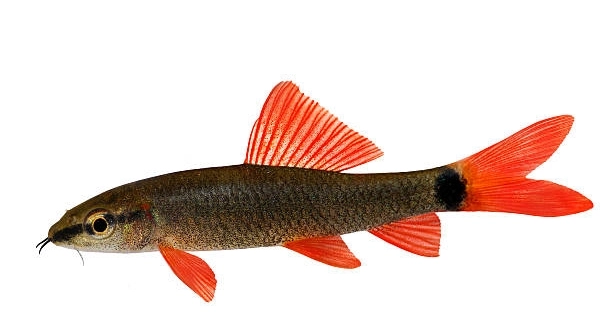
Is your rainbow shark spending most of its time hidden away instead of exploring its tank like it used to?
The most common reason your rainbow shark is hiding is due to stress caused by tank mates, poor water quality, or lack of proper hiding spots. Addressing these issues can improve your shark’s confidence and behavior.
By understanding what affects their comfort, you can help your rainbow shark feel safer and more visible in its home.
Provide Enough Hiding Spots
Rainbow sharks are territorial and need places to feel secure. Without enough hiding areas, they may become stressed and stay hidden most of the time. Driftwood, caves, PVC tubes, and rock formations are good options to help them feel safe. Avoid cluttering the tank, but ensure there’s space for your shark to retreat without being trapped or overly confined. Position hiding spots to create a clear territory, helping reduce tension with other fish. When they know they have a spot of their own, they tend to explore more freely. Use materials that won’t harm their skin and are easy to clean. Keep lighting moderate and avoid direct exposure that can make them feel overexposed. Try rearranging decor if your shark appears overly shy even with proper shelters. A secure setup encourages healthy, visible behavior.
Adding more hiding places can make a big difference. It gives them comfort and reduces their need to constantly stay out of sight.
They don’t always need to be out in the open. When they know there’s a private space available, it helps lower their anxiety. This can lead to more balanced behavior over time, and you’ll likely see them swimming around more frequently.
Keep Tank Mates Peaceful
Aggressive or overly active fish can cause stress. Your rainbow shark may hide to avoid conflict, especially in a crowded or unbalanced tank.
Choose tank mates that won’t compete for space or harass your shark. Bottom dwellers or fast-swimming species may provoke defensive behavior. Fish like barbs, danios, or loaches are usually more compatible when the tank is large enough. Avoid other territorial fish or additional rainbow sharks, as this often leads to chasing and hiding. Keep an eye out for fin nipping or chasing behaviors and remove problem fish quickly. A peaceful tank environment allows your shark to roam more freely. Pay attention to size and temperament when introducing any new species. Larger tanks with clear zones help minimize conflict. Space, calm companions, and structure create a better home for your shark and reduce the need to constantly hide. Balanced community tanks lead to more visible and active behavior.
Maintain Stable Water Conditions
Poor water quality causes stress. If ammonia, nitrite, or nitrate levels are off, your rainbow shark may hide to cope. Test the water weekly and perform partial water changes to keep things balanced.
Use a reliable water testing kit and aim to keep ammonia and nitrites at zero. Nitrates should stay under 20 ppm. Maintain the temperature between 75–81°F (24–27°C) and use a heater if needed. Sudden changes in pH or temperature can cause shock, so avoid large fluctuations. Install a good filter to keep water moving and oxygen levels high. Also, avoid overfeeding—extra food breaks down and harms water quality. Keep the tank clean by removing debris and vacuuming the substrate regularly. Consistency in water conditions helps reduce hiding and promotes better activity in your shark. A stable, clean environment gives them confidence to explore and remain active.
If your shark still hides after correcting water parameters, keep observing its behavior. Some fish take longer to adjust. Watch how it responds during feeding or when the lights change. Subtle changes in water flow or tank position may also help. Give it time to settle, and keep tank maintenance regular. Stability builds trust in their environment.
Adjust Lighting and Tank Placement
Too much light or noise can overwhelm your rainbow shark. Bright lighting or a tank placed in a high-traffic area can lead to hiding. Soft lighting and a quiet spot help them feel secure and visible.
If the tank light is too intense, try switching to a dimmer setting or using floating plants to filter the light naturally. Avoid placing the tank near loud devices like TVs or speakers, and keep it away from constant foot traffic. Sharks are sensitive to vibration and movement outside the tank. Consider adding a background to reduce visual stress from behind. If natural light enters the room, be careful with glare or shadows that may startle them. Creating a calmer space improves behavior and makes your shark more active. Small changes in lighting and location can significantly impact how often they choose to come out.
Feed at the Same Time Daily
Feeding on a schedule helps your rainbow shark feel secure. When they know when to expect food, it reduces stress and builds a sense of routine. This can encourage them to come out more often. Avoid random feeding times and stick to a consistent pattern each day.
A predictable routine makes your shark feel safe. If they’re hiding all day, try feeding in the same spot and at the same time. Over time, they may begin to associate that time with safety and emerge more confidently.
Avoid Overcrowding the Tank
Too many fish in one tank causes stress and competition for space. Rainbow sharks are territorial and need room to swim and claim their area. A crowded tank often leads to hiding. Choose appropriate tank mates and avoid filling every inch of space. More room equals better behavior.
Observe and Be Patient
It takes time for rainbow sharks to adjust. They may hide at first, even in perfect conditions. Keep the tank calm and consistent. Avoid sudden changes and check for improvements gradually. Patience is key—some sharks take longer to feel safe and show their full personality.
FAQ
Why does my rainbow shark hide all the time?
Rainbow sharks hide mostly due to stress caused by their environment. This can include poor water quality, aggressive tank mates, lack of hiding spots, or sudden changes in lighting or temperature. They naturally seek shelter when they feel threatened or uncomfortable. Ensuring stable water parameters, peaceful companions, and plenty of secure hiding places can reduce hiding behavior.
How long does it take for a rainbow shark to stop hiding?
The time varies depending on the individual fish and tank conditions. Some may begin exploring within days if their environment improves. Others might take several weeks or even months to fully adjust. Consistency in water quality, tank setup, and minimal disturbance helps speed up this process.
Can feeding my rainbow shark encourage it to come out?
Yes, feeding at regular times in a consistent spot can build trust. Sharks learn to associate feeding time with safety and food availability, making them more likely to leave hiding spots. Avoid overfeeding, as leftover food can worsen water quality.
Is it normal for rainbow sharks to hide at night?
Rainbow sharks are generally more active during the day and tend to rest or hide at night. This behavior is normal and helps them conserve energy. Providing a natural day-night cycle with appropriate lighting helps maintain their normal patterns.
What tank mates are best for rainbow sharks?
Peaceful and non-territorial fish make the best companions. Avoid other bottom dwellers or aggressive species that might compete for space. Suitable tank mates include tetras, rasboras, and peaceful barbs. A larger tank with enough space can accommodate more diverse species, reducing stress.
How often should I test my tank water?
Testing water weekly is recommended to keep parameters in check. Key levels to monitor include ammonia, nitrite, nitrate, pH, and temperature. Regular testing helps catch issues before they cause stress, which can lead to hiding.
Can sudden changes cause hiding behavior?
Yes, sudden temperature shifts, pH swings, or rearranging tank decorations can stress rainbow sharks. They prefer stable environments. If changes are necessary, introduce them gradually to help your fish adjust smoothly.
Does lighting affect hiding?
Bright or harsh lighting can cause rainbow sharks to hide more often. They prefer moderate or dim lighting. Adding floating plants or adjusting the light intensity can create a more comfortable atmosphere.
Should I remove my rainbow shark if it keeps hiding?
Not necessarily. Hiding is often a sign that the fish feels unsafe. Instead of removing it, try addressing the root causes like water quality, tank mates, or tank setup. Removing a stressed fish can worsen its condition.
Can illness cause hiding?
Yes, illness or injury can make rainbow sharks retreat to hide. If hiding is accompanied by other symptoms like loss of appetite, clamped fins, or unusual spots, consult a veterinarian or aquarium specialist for diagnosis and treatment.
How big should the tank be for a rainbow shark?
A minimum of 55 gallons is recommended for one rainbow shark. They need ample space to swim and establish territory. Larger tanks also help maintain better water quality and reduce stress from overcrowding.
Will rearranging the tank help if my shark hides?
Sometimes, but sudden rearrangements can increase stress. If hiding continues despite stable conditions, gently adjusting decor to create new hiding spots might help. Do this slowly and observe how your shark reacts.
Is it okay to keep multiple rainbow sharks together?
Keeping multiple rainbow sharks in the same tank often leads to territorial disputes and hiding. Unless the tank is very large with many hiding spots, it’s best to keep only one rainbow shark per tank.
What temperature range is best for rainbow sharks?
They thrive in water between 75–81°F (24–27°C). Consistent temperature within this range helps reduce stress. Avoid sudden fluctuations, which can trigger hiding behavior.
How do I know if my rainbow shark is stressed?
Signs include constant hiding, loss of appetite, rapid breathing, or unusual swimming patterns. Stress often results from poor water quality, incompatible tank mates, or inadequate tank conditions.
Can tank decorations reduce hiding?
Yes, well-placed decorations like caves and plants provide security. However, too many decorations can make the tank feel cramped and increase hiding. Balance is key to giving your shark enough shelter without restricting swimming space.
Rainbow sharks are beautiful and active fish, but they can be shy and prefer to hide when they feel stressed or unsafe. Creating a stable and comfortable environment is key to helping them come out more often. Paying attention to water quality, tank size, tank mates, lighting, and hiding spots all play important roles in how your shark behaves. When these needs are met, your rainbow shark is more likely to explore and show its vibrant colors. It takes time and patience to see results, but consistent care makes a difference.
Keeping the tank clean and stable is one of the best ways to reduce hiding. Regular water testing and partial water changes help maintain good water quality. Avoid overcrowding the tank and choose peaceful companions to reduce stress and competition. Providing enough hiding places like caves or plants helps the shark feel secure without forcing it to stay hidden. Controlling the lighting and placing the tank in a quiet, low-traffic area also encourages your fish to be more active and visible.
It’s important to remember that every rainbow shark has its own personality and adjusting to a new environment may take time. Avoid making sudden changes and give your fish a chance to settle in at its own pace. Watch for signs of illness or stress that might require extra care. Feeding on a regular schedule helps build trust and encourages your shark to come out more. By understanding these needs and offering a calm, well-maintained home, you will create the best conditions for your rainbow shark to thrive and feel comfortable in its tank.

Hello,
If you enjoy the content that we create, please consider saying a "Thank You!" by leaving a tip.
Every little bit helps us continue crafting quality advice that supports the health, happiness, and well-being of pets around the world, for pets of all shapes, sizes, and species.
We really appreciate the kindness and support that you show us!