
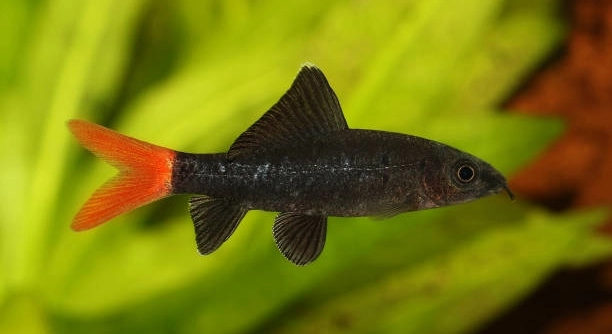
Keeping a rainbow shark happy in a community tank requires careful attention. These fish have specific needs related to space, diet, and behavior. Understanding these needs helps maintain a peaceful and healthy environment for all tankmates.
Rainbow sharks are territorial and active fish that need ample swimming space, hiding spots, and a balanced diet. Regular tank maintenance and avoiding overcrowding minimize stress and aggression, ensuring harmony among tankmates in a shared aquatic space.
Proper care involves consistent feeding routines, water quality checks, and providing enough room for each fish to establish its territory. These measures support a calm and thriving community tank.
Provide Plenty of Swimming Space
Rainbow sharks are active swimmers and need enough room to move around freely. A tank that is at least 30 gallons is recommended for one rainbow shark. Overcrowding can lead to stress and aggressive behavior because they feel their territory is being invaded. Adding hiding spots with plants or decorations can also help reduce conflicts by giving them places to retreat. Proper tank size allows each fish to have its own area, minimizing competition and tension among tankmates. It is important to arrange the tank carefully to balance open swimming areas with sheltered spaces for resting.
Keeping the tank spacious and well-organized encourages natural behavior and reduces fights. More room also helps improve water quality by diluting waste.
A well-sized tank supports healthy growth and activity. It reduces stress, which can lead to disease. Always consider tank size as the first step to a peaceful community tank with rainbow sharks.
Feed a Balanced Diet
Rainbow sharks need a varied diet to stay healthy. Feeding them high-quality flakes or pellets designed for omnivorous fish ensures they get essential nutrients. Supplement their diet with live or frozen foods like bloodworms, brine shrimp, and vegetables such as zucchini or peas. Avoid overfeeding to prevent water quality issues and obesity. Feeding small amounts two to three times a day is ideal.
Consistent feeding routines keep rainbow sharks energetic and less aggressive.
Proper nutrition supports immune function and vibrant colors. Live and vegetable-based foods provide fiber and protein necessary for their wellbeing. Monitoring their eating habits helps detect any health problems early. Balanced feeding combined with clean water conditions promotes longevity and happiness in your rainbow shark tankmates.
Maintain Clean Water Conditions
Regular water changes are essential for keeping the tank clean and the fish healthy. Change about 20 to 25 percent of the water weekly to remove waste and toxins. Test the water regularly for ammonia, nitrite, and nitrate levels to ensure a safe environment.
Keeping the water clean prevents stress and illness in rainbow sharks. They are sensitive to poor water quality, which can cause disease or aggression. Using a good filtration system helps maintain water clarity and balance. Also, avoid overcrowding to reduce waste buildup. Clean water supports the immune system and overall health of all tankmates.
It is important to monitor water temperature and pH as well. Rainbow sharks prefer temperatures between 74 and 80°F and a pH of 6.5 to 7.5. Stability in these factors minimizes stress. Consistent care in water quality management creates a calm habitat, reducing conflicts among the fish.
Choose Compatible Tankmates
Rainbow sharks do best with fish that are peaceful and fast enough to avoid aggression. Avoid slow-moving or long-finned species, as rainbow sharks may nip at their fins. Good tankmates include barbs, danios, and certain types of tetras.
Compatibility is crucial to prevent territorial disputes. Fish that occupy different areas of the tank or have contrasting activity levels reduce competition. Avoid other bottom dwellers that may compete for space with rainbow sharks. Adding multiple hiding places also helps tankmates coexist.
Observe interactions after introducing new fish, as individual personalities vary. Sometimes, adjustments in tankmates are needed to maintain balance. Proper selection fosters a peaceful community where rainbow sharks and their tankmates can thrive together.
Monitor Behavior Regularly
Observing your rainbow shark daily helps catch signs of stress or illness early. Look for changes in activity, appetite, or appearance. Quick action can prevent problems from worsening and keep the tank peaceful.
Regular monitoring also helps identify any bullying or territorial disputes. Early intervention protects all tankmates.
Avoid Overcrowding
Too many fish in one tank increases stress and aggression. A spacious environment reduces competition for territory and food. Follow stocking guidelines based on tank size and fish species to maintain balance.
Provide Hiding Spots
Hiding places reduce stress and give rainbow sharks a refuge from conflicts. Use plants, caves, or decorations. These spots help fish feel secure and calm.
Keep Lighting Moderate
Bright lighting can stress rainbow sharks. Moderate lighting mimics their natural environment and helps maintain calm behavior. Use timers for consistent light cycles.
How often should I feed my rainbow shark?
Feeding your rainbow shark two to three times a day with small portions is ideal. Overfeeding can cause poor water quality and health issues. Provide a balanced diet with flakes, pellets, and occasional live or frozen foods to ensure proper nutrition and keep your fish active.
Can rainbow sharks live with other bottom dwellers?
It’s best to avoid housing rainbow sharks with other bottom-dwelling fish that compete for the same space. Rainbow sharks are territorial and may become aggressive toward similar tankmates. Choose fish that occupy different tank levels or have peaceful temperaments to reduce conflicts.
What tank size is recommended for rainbow sharks?
A minimum tank size of 30 gallons is recommended for one rainbow shark. They need enough space to swim and establish territory. Larger tanks are better if you plan to keep multiple fish or a community setup, as this reduces stress and aggression.
How do I know if my rainbow shark is stressed?
Signs of stress include hiding constantly, loss of appetite, faded colors, or erratic swimming. Stress can come from poor water quality, overcrowding, or aggressive tankmates. Addressing these issues early helps prevent illness and promotes a peaceful environment.
What water parameters are best for rainbow sharks?
Rainbow sharks thrive in water temperatures between 74 and 80°F and a pH range of 6.5 to 7.5. Keeping these parameters stable minimizes stress. Regular water testing and maintenance are important to maintain a healthy tank environment.
How important are hiding spots for rainbow sharks?
Hiding spots are crucial. They reduce stress by giving your rainbow shark a place to retreat when feeling threatened or overwhelmed. Plants, caves, and decorations create natural shelters that help maintain calm behavior in the tank.
What should I do if my rainbow shark becomes aggressive?
If aggression appears, check tank size, water quality, and tankmate compatibility. Adding more hiding spaces or rearranging the tank layout can reduce territorial disputes. In some cases, separating the aggressive fish temporarily may be necessary.
Can rainbow sharks be kept alone?
Rainbow sharks can live alone but still need a spacious tank with plenty of hiding places. Without other fish, they may become bored, so providing enrichment like plants and decorations helps keep them engaged.
How often should I clean the tank?
Perform partial water changes of 20 to 25 percent weekly. This helps remove waste and toxins. Regular cleaning prevents buildup that can harm fish health and reduce aggression caused by poor conditions.
What foods are best for rainbow sharks?
A varied diet is best. Use high-quality flakes or pellets as a staple. Supplement with live or frozen foods like bloodworms, brine shrimp, and vegetable pieces such as zucchini or peas. This variety supports their omnivorous diet and overall health.
Are rainbow sharks hardy fish?
Rainbow sharks are moderately hardy but sensitive to poor water quality and stress. Consistent care, including proper feeding, water maintenance, and tank setup, helps ensure their health and longevity.
How do I introduce new fish to a rainbow shark tank?
Introduce new fish slowly and monitor interactions closely. Choose compatible species and ensure the tank is large enough to accommodate everyone. Rearranging tank decorations before adding new fish can disrupt established territories and reduce aggression.
Is lighting important for rainbow sharks?
Yes, moderate lighting is best. Bright lights can stress them. Using timers to maintain consistent day and night cycles helps mimic natural conditions and keeps fish calm.
Can rainbow sharks change color?
Rainbow sharks can show color changes due to stress, illness, or water conditions. Healthy fish have vibrant colors. Monitoring changes helps detect potential problems early.
Taking care of rainbow sharks in a community tank involves understanding their unique needs. These fish are active and territorial, so providing enough space and hiding spots is essential. A well-sized tank helps reduce stress and aggressive behavior, creating a peaceful environment for all tankmates. Paying attention to water quality through regular maintenance keeps the habitat safe and healthy. Clean water supports the immune system of rainbow sharks and reduces the chance of illness.
Feeding a balanced diet is another key factor in keeping rainbow sharks happy. They require a mix of flakes or pellets with occasional live or frozen foods and vegetables. Overfeeding should be avoided to prevent water pollution and health problems. Consistent feeding routines help maintain their energy and vibrant colors. Monitoring their behavior regularly allows for early detection of stress or illness, ensuring timely action to support their well-being.
Choosing compatible tankmates is important to avoid conflicts. Rainbow sharks do best with peaceful fish that occupy different areas of the tank and can handle their territorial nature. Overcrowding leads to tension and poor water quality, so careful stocking is necessary. Providing moderate lighting and hiding places further reduces stress and creates a natural environment. Following these simple but effective steps will help keep your rainbow shark and its tankmates healthy and happy.

Hello,
If you enjoy the content that we create, please consider saying a "Thank You!" by leaving a tip.
Every little bit helps us continue crafting quality advice that supports the health, happiness, and well-being of pets around the world, for pets of all shapes, sizes, and species.
We really appreciate the kindness and support that you show us!