
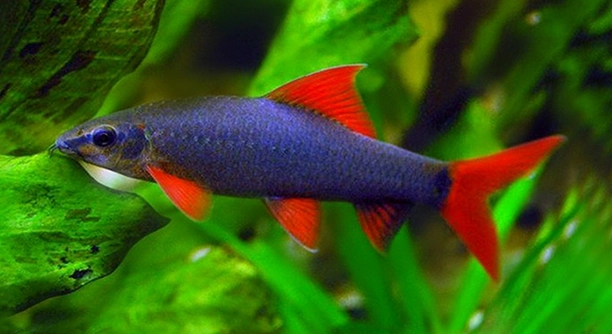
Rainbow sharks are popular aquarium fish known for their striking colors and active swimming. However, they can sometimes show aggressive behavior toward other fish in the tank. Understanding the reasons behind this aggression can help maintain a peaceful aquarium environment.
Rainbow shark aggression is commonly caused by territorial instincts, overcrowding, insufficient hiding spaces, poor water quality, incompatible tank mates, stress, and lack of proper diet. These factors trigger defensive or competitive behaviors that lead to conflicts with other fish.
Knowing these causes will help you create a better living space for your rainbow sharks and keep harmony among your aquatic pets.
Territorial Instincts and Space Needs
Rainbow sharks naturally establish territories in their environment. When they feel their space is threatened, they can become aggressive to defend it. In a home aquarium, limited space makes it hard for them to spread out. This causes them to see other fish as intruders. They often chase or nip at these fish to keep them away. Providing enough room helps reduce this behavior. A tank of at least 30 gallons is recommended for one rainbow shark. Adding decorations like rocks or plants creates natural boundaries that give them places to claim. These hiding spots help fish feel safe and less likely to attack. Ignoring these needs can increase stress and trigger frequent aggression. Maintaining a suitable environment is essential for peaceful tank dynamics.
Maintaining ample space and hiding spots reduces territorial fights. These adjustments help rainbow sharks coexist better with other fish.
Carefully arranging the tank with enough room and visual barriers can greatly decrease territorial disputes. It allows the rainbow shark to feel secure without needing to guard every inch aggressively. Overcrowding only makes tensions worse, so spacing is key.
Overcrowding and Tank Mates
Overcrowding is a common issue that leads to aggressive behavior in rainbow sharks. When there are too many fish in a tank, competition for food, space, and oxygen increases. This heightened competition can cause stress, which often triggers aggression. Rainbow sharks prefer to have clear territories and may attack others if these boundaries are invaded. Choosing compatible tank mates is also important. Fish that are too small or too passive might become targets of bullying. Avoid keeping multiple rainbow sharks in a small tank, as they tend to fight over territory. Instead, select species that can tolerate their behavior and occupy different levels of the tank. Monitoring fish interactions regularly helps prevent ongoing conflicts and keeps the aquarium environment stable.
Proper stocking levels and careful selection of tank mates can significantly reduce aggression. It creates a balanced and peaceful aquatic community.
Insufficient Hiding Spaces
Rainbow sharks need places to hide and rest. Without enough hiding spots, they feel exposed and stressed. This stress often leads to aggression toward other fish in the tank. Providing adequate cover helps them feel secure and reduces conflict.
Adding caves, plants, and decorations creates safe zones for rainbow sharks. These hiding spots allow them to escape when feeling threatened or tired. When fish have their own space, they are less likely to act aggressively. Aquariums with bare walls and few decorations often see more chasing and nipping. A well-structured environment supports peaceful behavior and helps maintain balance. Regularly rearranging or adding new hiding places can also keep your fish calm and comfortable.
In tanks without sufficient cover, rainbow sharks might become restless and more prone to attacks. By investing time in tank decoration, you help lower aggression and promote healthier social interaction among your fish.
Poor Water Quality
Poor water quality can cause stress and aggression in rainbow sharks. High ammonia, nitrite, or nitrate levels harm fish health, leading to irritability and attacks. Regular testing and maintenance are crucial.
Maintaining clean water keeps rainbow sharks healthy and calm. Dirty or polluted water strains their immune systems and makes them more likely to lash out. Frequent water changes, proper filtration, and monitoring are necessary to control toxins. Water that is too warm or lacks oxygen also stresses fish and triggers aggressive behavior. Keeping parameters stable supports better moods and reduces fights. Neglecting water quality creates a stressful environment where rainbow sharks become defensive and hostile toward tank mates.
Consistent care and attention to water conditions are key to preventing aggression caused by poor water quality. A clean tank means a happier, less aggressive fish community.
Stress and Environmental Changes
Stress can quickly make rainbow sharks aggressive. Changes in their environment, like new tank mates or rearranged decorations, may cause anxiety. Keeping a stable environment helps lower stress levels and aggressive behavior.
Avoid sudden changes and introduce new fish gradually. This allows rainbow sharks to adjust without feeling threatened or territorial.
Incompatible Diet
A poor diet can affect a rainbow shark’s mood and energy, leading to aggression. Feeding them a balanced diet rich in protein and vegetables supports their health. Avoid overfeeding or underfeeding, as both can cause problems. Providing high-quality food helps keep them calm and reduces aggressive tendencies.
Lack of Proper Feeding Schedule
Skipping or irregular feeding times can make rainbow sharks more aggressive. Hunger increases irritability and competition for food. Establish a consistent feeding routine to keep them satisfied and less likely to attack other fish.
Regular feeding helps maintain peace and harmony within the tank.
FAQ
Why is my rainbow shark so aggressive toward other fish?
Rainbow sharks often show aggression due to territorial instincts. They feel the need to protect their space, especially in small tanks. Overcrowding, poor water quality, stress, and lack of hiding spots can also increase their aggression. Ensuring enough space, clean water, and proper tank setup usually helps reduce this behavior.
Can rainbow sharks live peacefully with other fish?
Yes, rainbow sharks can live peacefully with compatible tank mates if their environment meets their needs. Choose fish that are similar in size and temperament, and provide plenty of space and hiding spots. Avoid keeping multiple rainbow sharks in the same tank unless it’s very large, as they tend to compete aggressively for territory.
How can I reduce aggression in my rainbow shark?
Reducing aggression involves several steps. First, provide a large enough tank with plenty of decorations and hiding places. Maintain excellent water quality with regular cleaning. Feed a balanced diet on a consistent schedule. Also, avoid overcrowding and choose tank mates carefully to minimize conflict.
Is it normal for rainbow sharks to nip other fish?
Some nipping is normal since rainbow sharks are semi-aggressive and territorial by nature. However, excessive nipping can signal stress, poor tank conditions, or incompatible tank mates. Addressing these issues by improving the environment and monitoring fish interactions can help reduce harmful behavior.
What tank size is best for a rainbow shark to reduce aggression?
A minimum tank size of 30 gallons is recommended for a single rainbow shark. Larger tanks, such as 50 gallons or more, are better if you plan to keep multiple fish or other species. More space allows the rainbow shark to establish territory without feeling crowded, reducing aggressive tendencies.
Do rainbow sharks become aggressive during breeding?
Rainbow sharks can show increased aggression during breeding, as they become more territorial while protecting their eggs or spawning area. Providing plenty of hiding spots and visual barriers can help reduce fights during this time. In some cases, separating the breeding pair temporarily may be necessary.
How often should I feed my rainbow shark to avoid aggression?
Feeding your rainbow shark once or twice daily on a regular schedule helps prevent hunger-driven aggression. Overfeeding can also cause water quality issues, so offer measured portions of balanced food, including sinking pellets, frozen or live foods, and occasional vegetables to keep them healthy and calm.
Can poor water quality cause my rainbow shark to act aggressively?
Yes, poor water quality is a major stress factor that can trigger aggression in rainbow sharks. High levels of ammonia, nitrites, or nitrates irritate fish and weaken their immune system. Regular water testing, partial water changes, and proper filtration are essential to maintain a healthy, peaceful tank environment.
Are there specific tank mates that work best with rainbow sharks?
Good tank mates for rainbow sharks are generally peaceful but robust species that occupy different tank levels. Examples include danios, barbs, and larger tetras. Avoid slow-moving, long-finned, or very small fish, as they may be targeted by the rainbow shark’s aggressive behavior.
How can I tell if my rainbow shark is stressed or aggressive?
Signs of stress and aggression include frequent chasing, fin nipping, hiding excessively, loss of appetite, and erratic swimming. If you notice these behaviors, check tank conditions, water quality, and tank mate compatibility. Adjusting the environment often helps calm stressed rainbow sharks.
Rainbow sharks are beautiful and active fish that can bring a lot of life to a home aquarium. However, their aggressive behavior toward other fish can be challenging for many fish keepers. Understanding the main causes of this aggression is the first step to managing it effectively. Factors such as territorial instincts, overcrowding, lack of hiding spaces, poor water quality, stress, and diet all play important roles in how a rainbow shark interacts with its tank mates. By paying attention to these areas, you can help create a calmer and more balanced environment for all your fish.
Providing enough space is one of the most important things you can do to reduce aggression. Rainbow sharks need room to swim and claim their own territory without feeling threatened. Overcrowded tanks make it hard for any fish to live peacefully, but especially for rainbow sharks, which are naturally territorial. In addition, offering plenty of hiding places with plants, rocks, and decorations gives them safe spots to retreat to when they feel stressed. Clean water and stable conditions also keep these fish healthy and less likely to lash out. Regular water changes and good filtration prevent buildup of harmful chemicals that can make fish irritable and aggressive.
Feeding your rainbow shark a balanced diet on a regular schedule helps support its overall well-being. Hunger and poor nutrition can increase aggressive behavior, so it’s important to offer quality food appropriate for their needs. Choosing compatible tank mates and monitoring their interactions helps maintain harmony in the tank. While rainbow sharks may never be completely peaceful, small changes in their environment and care routine can go a long way. With attention and patience, you can enjoy the beauty and activity of rainbow sharks without constant fighting or stress in your aquarium.

Hello,
If you enjoy the content that we create, please consider saying a "Thank You!" by leaving a tip.
Every little bit helps us continue crafting quality advice that supports the health, happiness, and well-being of pets around the world, for pets of all shapes, sizes, and species.
We really appreciate the kindness and support that you show us!