
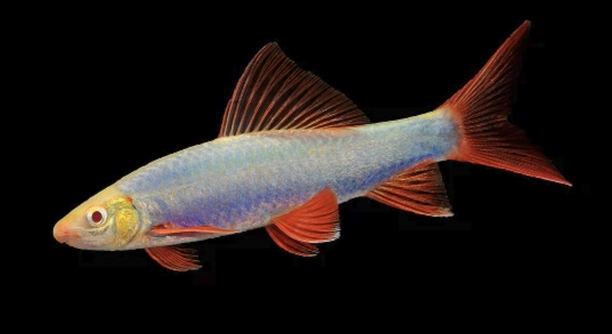
Are your rainbow sharks showing signs of poor feeding? Maintaining a healthy diet for these fish is essential to their growth and well-being. Proper feeding habits help prevent health issues and keep your aquarium balanced.
Ensuring your rainbow shark is well-fed requires attention to diet variety, feeding frequency, water quality, and tank conditions. Providing balanced nutrition and avoiding overfeeding are key to promoting healthy growth and vibrant coloration in these fish.
Understanding how to care for your rainbow shark’s feeding needs will improve its health and behavior. The following tips will help you create the best environment for your fish’s nutrition.
Provide a Balanced Diet
Rainbow sharks need a diet that includes a mix of protein, vegetables, and commercial pellets. High-quality sinking pellets designed for bottom feeders are ideal, as rainbow sharks tend to feed near the tank floor. Including live or frozen foods like bloodworms or brine shrimp adds essential nutrients and encourages natural foraging behavior. Fresh vegetables such as zucchini or spinach can be blanched and offered occasionally to provide fiber and vitamins. Avoid feeding only one type of food, as this can lead to nutritional deficiencies. A varied diet supports growth, vibrant color, and overall health.
Consistency in feeding times is also important to prevent stress and overeating. Feeding once or twice daily is sufficient. Overfeeding can pollute the tank and cause health problems. Make sure leftover food is removed after a few minutes to maintain water quality.
Balancing protein and plant-based foods keeps your rainbow shark healthy. Using pellets as a staple with occasional live foods and vegetables mimics their natural diet, ensuring proper nutrition. This approach supports their energy needs and enhances their immune system.
Monitor Feeding Frequency Closely
Feeding frequency plays a critical role in your rainbow shark’s health. Too much food can cause water quality problems, while too little can lead to malnutrition. It’s best to feed small portions once or twice daily.
Regular observation helps you adjust feeding amounts based on appetite and tank conditions. Watch for leftover food and changes in behavior to gauge if adjustments are needed. Maintaining a feeding schedule supports digestion and overall well-being.
Maintain Clean Water Conditions
Clean water is essential for rainbow sharks to feed well and stay healthy. Dirty water can reduce their appetite and cause stress or illness.
Regular water changes remove waste and toxins that accumulate from uneaten food and fish waste. Testing water parameters, such as ammonia, nitrite, nitrate, and pH, helps ensure a stable environment. Keeping the tank filter clean but not over-cleaned maintains beneficial bacteria vital for breaking down harmful substances. A well-maintained tank promotes better feeding behavior and digestion by reducing stress. Consistent water quality control supports your fish’s immune system, making them less prone to disease.
Avoid drastic changes during water changes to prevent shocking your fish. Slowly adjust temperature and chemistry by replacing only 20-30% of the water weekly. This routine creates a comfortable habitat, encouraging your rainbow shark to eat regularly and thrive in the tank.
Offer Suitable Tank Mates
Rainbow sharks can be territorial, which affects their feeding habits if housed with aggressive or overly active fish. Choosing peaceful tank mates reduces stress and competition for food.
Tank mates that occupy different tank levels or have calm temperaments allow your rainbow shark to feed without interruption. Avoid small fish that may be harassed or larger aggressive species that dominate feeding. Properly sized companions create a balanced social environment, reducing stress-related loss of appetite. Providing hiding spaces or visual barriers helps lessen territorial disputes. Selecting compatible species supports a peaceful community tank where feeding routines run smoothly.
Observe Feeding Behavior Daily
Watching your rainbow shark during feeding helps identify health or stress issues early. Notice if it eagerly eats or shows disinterest in food.
Changes in feeding behavior can signal illness, poor water conditions, or stress from tank mates. Early detection allows for quick intervention and better care.
Adjust Feeding Amounts as Needed
Feeding the right amount prevents waste buildup and maintains water quality. Offer only what the fish can eat in a few minutes to avoid leftovers.
Overfeeding can cause obesity and tank pollution, while underfeeding leads to malnutrition. Careful portion control is essential for your rainbow shark’s health.
Use High-Quality Food
Choosing quality food ensures your fish receive necessary nutrients for growth and color. Avoid low-grade pellets that contain fillers and lack essential vitamins.
A balanced diet from trusted brands supports long-term health and vitality.
Avoid Overfeeding
Overfeeding can harm both your fish and tank environment. Stick to recommended feeding portions to maintain balance and prevent health issues.
FAQ
How often should I feed my rainbow shark?
Feeding your rainbow shark once or twice a day is usually sufficient. Provide small portions that the fish can consume within a few minutes. This helps prevent overfeeding, which can cause water quality issues and health problems. Consistent feeding times also reduce stress and encourage regular eating habits.
What is the best food for rainbow sharks?
High-quality sinking pellets designed for bottom feeders are ideal. Supplement this with live or frozen foods like bloodworms and brine shrimp for protein variety. Blanched vegetables such as zucchini or spinach can be offered occasionally. A balanced diet supports growth, color, and overall health.
Can I feed my rainbow shark flakes instead of pellets?
Flakes are generally not recommended because rainbow sharks prefer sinking foods that reach the tank bottom. Flakes tend to float and may not provide adequate nutrition for bottom-dwelling fish. Pellets formulated for bottom feeders better match their natural feeding habits and nutritional needs.
What signs show my rainbow shark is not eating enough?
If your fish appears thin, less active, or shows dull coloration, it might be underfed. Loss of appetite or hiding more than usual can also indicate feeding issues. Checking water quality and tank conditions is important, as these factors affect appetite.
Is overfeeding harmful to rainbow sharks?
Yes, overfeeding can lead to obesity, poor water quality, and increased risk of diseases. Uneaten food decomposes, raising ammonia and nitrate levels, which stresses fish. Stick to measured portions and remove leftover food promptly.
How do I know if my rainbow shark is stressed?
Stress signs include erratic swimming, hiding, loss of appetite, and faded colors. Stress often results from poor water quality, aggressive tank mates, or improper feeding. Addressing these issues usually helps restore normal behavior.
Can I feed my rainbow shark vegetables every day?
Vegetables should be offered occasionally, not daily. Too much plant matter can upset their digestion. Providing blanched vegetables once or twice a week adds fiber and nutrients without overwhelming their diet.
Should I feed my rainbow shark differently if it shares a tank?
Yes, tank mates affect feeding behavior. Ensure your rainbow shark gets access to food by feeding in spots it frequents and using sinking pellets. Monitor to prevent competition or bullying during feeding times.
What is the best way to introduce new foods?
Introduce new foods gradually by mixing small amounts with their usual diet. This helps the fish adapt and reduces the risk of refusal or digestive upset. Observe how they respond and adjust accordingly.
Does water temperature affect feeding?
Water temperature influences metabolism. Rainbow sharks are most active and feed well between 72-79°F (22-26°C). Temperatures outside this range may reduce appetite or slow digestion, so keep the tank within recommended limits.
Maintaining the health of your rainbow shark largely depends on how well you manage its feeding. Providing a balanced diet with the right types of food ensures that the fish receives essential nutrients needed for growth and vibrant coloration. It is important to avoid overfeeding, which can cause water quality issues and health problems. Feeding once or twice a day with measured portions helps maintain the tank environment and keeps your fish healthy. Monitoring feeding behavior regularly allows you to detect any changes that might indicate stress or illness.
Keeping the tank clean is another key factor in supporting your rainbow shark’s feeding habits. Water quality directly impacts appetite and digestion. Regular water changes and proper filtration reduce harmful substances that can build up from uneaten food and fish waste. It is also important to maintain stable water parameters and avoid sudden changes that could shock your fish. A stable environment reduces stress and helps your rainbow shark feed normally. Observing the tank conditions alongside feeding habits will give you a better understanding of your fish’s overall health.
Finally, choosing compatible tank mates and offering proper feeding amounts supports a peaceful and balanced aquarium. Aggressive or overly active fish may interfere with your rainbow shark’s ability to eat. Selecting calm species and providing hiding places can reduce competition and stress. Adjusting food portions to match your fish’s needs prevents waste and water pollution. By focusing on diet, tank maintenance, and social environment, you create the best conditions for your rainbow shark to thrive and enjoy its meals. This approach ensures a healthy, vibrant fish that adds beauty to your aquarium.

Hello,
If you enjoy the content that we create, please consider saying a "Thank You!" by leaving a tip.
Every little bit helps us continue crafting quality advice that supports the health, happiness, and well-being of pets around the world, for pets of all shapes, sizes, and species.
We really appreciate the kindness and support that you show us!