
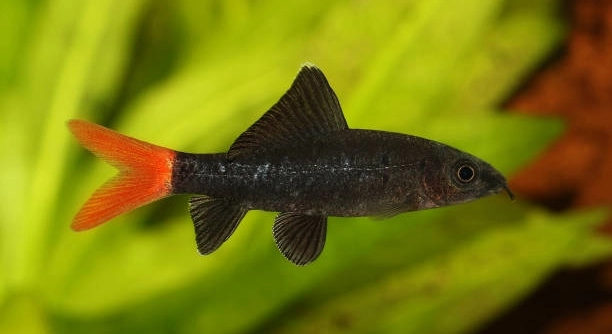
Many aquarium owners enjoy keeping rainbow sharks for their lively colors and peaceful nature. Sometimes, these fish can seem lonely or stressed in their tanks. Understanding their needs can help improve their well-being and behavior.
Lonely behavior in rainbow sharks often results from inadequate tank conditions, lack of proper companions, or insufficient hiding places. Ensuring an appropriate environment with enough space, compatible tank mates, and proper enrichment is essential for their social and physical health.
Improving your rainbow shark’s environment can lead to a happier, more active fish. The following tips will help you create a better home for your aquatic friend.
Provide Enough Space for Swimming
Rainbow sharks need plenty of room to swim and explore. A tank that is too small can make them feel cramped and stressed. Ideally, your tank should be at least 55 gallons to allow enough swimming space. Crowding causes discomfort and can lead to aggressive or withdrawn behavior. Adding more decorations or plants is helpful, but it should not replace open swimming areas. When rainbow sharks have enough space, they can establish territories and move freely without feeling threatened. This also helps reduce their stress levels and promotes natural behavior. Remember, a larger tank also means easier water maintenance, which improves overall water quality. Keeping the tank clean and well-filtered supports the fish’s health and helps prevent loneliness caused by stress.
A spacious tank creates a comfortable habitat and reduces aggressive interactions with other fish. Proper tank size is essential for rainbow sharks’ well-being.
Arranging the tank with both open swimming zones and hiding spots balances the rainbow shark’s need for activity and security. Use smooth rocks, driftwood, and live plants to create a natural environment. Avoid overcrowding decorations, so the fish have room to glide. The layout should encourage exploration without overwhelming the fish. Proper spacing supports physical health by allowing exercise and prevents boredom. A well-designed tank reduces stress and improves the mood of your rainbow shark. With enough space, the fish can thrive and display vibrant colors, showing signs of good health.
Choose Compatible Tank Mates
Rainbow sharks can be territorial, so picking the right tank mates matters. Avoid aggressive or very small fish that could stress or be harmed. Peaceful but active fish that occupy different tank levels work best. Fish like danios or barbs often coexist well with rainbow sharks. The goal is to create a balanced community where all fish can share space without conflict.
Choosing peaceful, similarly sized fish helps prevent stress and loneliness in rainbow sharks.
Introducing tank mates gradually is important. Start by observing interactions closely to catch early signs of aggression or stress. If problems arise, consider separating the fish or rearranging the tank to reduce territorial disputes. Keep in mind that overcrowding worsens aggression. Each fish species has different behavior and space needs, so research before adding new members. Compatible tank mates encourage social interaction, which can reduce loneliness. They also add life to the tank, making the environment more stimulating for your rainbow shark. When harmony is achieved, the overall tank health improves, and fish show more natural behavior patterns.
Add Plenty of Hiding Spots
Rainbow sharks feel safer when they have places to hide. Rocks, plants, and caves create shelter and reduce stress. Hiding spots allow them to retreat when feeling threatened or overwhelmed, helping them feel secure.
Hiding places mimic their natural habitat and support their shy nature. Without these, rainbow sharks may become anxious and less active. Use a mix of live or artificial plants, smooth rocks, and commercial aquarium caves to create a varied environment. Place hiding spots throughout the tank so the fish can choose different areas depending on their mood. This setup also helps reduce conflicts with tank mates by offering separate territories. Regularly check these spots to ensure they stay clean and safe.
Providing enough cover encourages natural behavior. Fish often rest or sleep in these spaces, which improves their overall health. A well-decorated tank promotes confidence and reduces loneliness by giving your rainbow shark places to explore and relax.
Maintain Clean Water Conditions
Water quality directly impacts a rainbow shark’s health and mood. Dirty or poorly filtered water causes stress and can lead to illness. Regular water changes and proper filtration are essential to keep the tank environment healthy.
Consistent maintenance prevents buildup of harmful toxins like ammonia and nitrites. Test water parameters weekly and aim for stable pH and temperature. Removing uneaten food and waste reduces contamination. Using a reliable filter suitable for your tank size helps keep the water clear and oxygenated. Clean water supports the fish’s immune system, reducing stress-related behaviors linked to loneliness or anxiety.
A well-maintained tank ensures a comfortable habitat where your rainbow shark can thrive. It also promotes vibrant colors and active swimming, signs of good health. Keeping water clean is a simple but powerful way to support your fish’s happiness and well-being.
Feed a Balanced Diet
Rainbow sharks need a varied diet to stay healthy and active. Providing high-quality pellets, vegetables, and occasional live food ensures they get the right nutrients. Avoid overfeeding, as this can pollute the tank and harm your fish.
A balanced diet supports their energy and vibrant colors. Feeding small amounts two to three times daily works best. Fresh vegetables like zucchini or peas add fiber and variety. Live or frozen foods, such as bloodworms, offer protein and stimulate natural hunting behavior. This combination keeps them interested in food and helps prevent boredom or stress-related issues.
Keep the Tank Well-Lit
Proper lighting supports the natural day-night cycle for rainbow sharks. A well-lit tank enhances their colors and helps regulate behavior. Use a timer to maintain consistent light periods.
Monitor Behavior Regularly
Observing your rainbow shark daily helps catch early signs of stress or illness. Changes in activity, appetite, or color often indicate problems. Early detection allows quick intervention, preventing serious health issues.
Avoid Sudden Changes
Rainbow sharks thrive in stable environments. Sudden changes in water conditions, tank setup, or companions can cause stress and loneliness. Make adjustments gradually to help them adapt.
How can I tell if my rainbow shark is lonely?
Loneliness in rainbow sharks can show through unusual behavior. If your fish is hiding more than usual, swimming listlessly, or not eating well, it may be feeling isolated. Sometimes they become overly aggressive or chase tank mates without reason. These signs often indicate stress related to social or environmental issues. Pay attention to changes in activity and appearance, like dull colors or clamped fins. A healthy rainbow shark is usually active, curious, and brightly colored. Monitoring behavior regularly helps you spot loneliness early and address tank conditions or social needs.
Is it okay to keep just one rainbow shark in a tank?
Rainbow sharks are semi-aggressive and territorial, so keeping only one is usually recommended to avoid fighting. However, a single fish may get lonely if the tank lacks stimulation. It’s important to provide plenty of hiding spots, space, and compatible tank mates that occupy different areas. If you choose to keep one alone, make sure the environment is enriched with decorations and regular interaction, like feeding varied foods. Proper care and environment reduce loneliness even without same-species companions.
What tank mates are best for a rainbow shark?
Good tank mates are peaceful, active fish that don’t share the same bottom-dwelling habits. Species like danios, barbs, and some tetras work well because they swim in other areas of the tank. Avoid slow-moving or small fish that might be bullied or eaten. Also, stay away from other bottom dwellers or highly aggressive fish to prevent conflicts. Introducing compatible species encourages natural social behaviors and reduces stress for the rainbow shark. Observe all fish carefully when introducing new tank mates.
How often should I clean the tank?
Cleaning frequency depends on tank size and fish load, but a general rule is to do partial water changes weekly or biweekly. Remove about 20-30% of the water each time and replace it with fresh, dechlorinated water. Clean the substrate gently to avoid disturbing beneficial bacteria. Also, regularly rinse the filter media in tank water to maintain good filtration without killing helpful bacteria. Consistent cleaning keeps water parameters stable and reduces stress, which helps prevent loneliness and illness.
Can a rainbow shark live happily in a small tank?
Rainbow sharks need at least a 55-gallon tank to thrive. Small tanks cause stress, limit swimming space, and increase territorial aggression. Crowded or tiny tanks often lead to dull colors, poor health, and loneliness. If space is limited, it’s better to choose a different fish species suited for smaller aquariums. Providing enough room is key to keeping rainbow sharks active, healthy, and less prone to loneliness.
What should I do if my rainbow shark is hiding all the time?
Hiding can be normal if the tank has good shelter, but constant hiding often signals stress or illness. Check water quality and tank conditions first. Ensure the tank is large enough and that tank mates aren’t bullying your fish. Adding more hiding spots or rearranging the tank can help. If hiding continues, observe for other signs like loss of appetite or discoloration. Sometimes, stress reduces when the environment is improved, but persistent hiding may require veterinary advice.
How can I reduce aggression between rainbow sharks?
Aggression is common in rainbow sharks due to their territorial nature. To reduce fights, keep only one rainbow shark per tank or provide a very large tank with multiple hiding spots to divide territories. Adding non-aggressive, fast-moving fish can distract attention. Avoid overcrowding and keep water conditions stable. Rearranging decorations regularly can also reset territories and reduce conflicts. Monitoring behavior allows early detection of aggression so you can act before injuries occur.
Does lighting affect rainbow shark behavior?
Yes, proper lighting helps regulate the fish’s day-night cycle, affecting activity and stress levels. Too bright or inconsistent lighting can cause stress, while dim or no light may reduce activity. Use a timer to keep lighting consistent—about 10-12 hours daily is ideal. Natural light exposure should be limited to avoid algae growth. Balanced lighting promotes normal behavior, vibrant colors, and better health, reducing signs of loneliness.
Are rainbow sharks social fish?
Rainbow sharks are semi-social but territorial. They can tolerate some tank mates but generally prefer their own space. They do not school like some other fish and may become aggressive if crowded. Providing an environment that balances territory with social interaction from compatible species helps them stay stimulated without stress. Observing your fish helps determine the right social balance to reduce loneliness and aggression.
What’s the best diet to keep my rainbow shark happy?
A varied diet including quality pellets, vegetables, and occasional live or frozen food is best. This ensures proper nutrition and keeps the fish interested. Overfeeding should be avoided to prevent water pollution. Feed small amounts two to three times daily. Fresh vegetables like zucchini or peas support digestion, while protein from bloodworms or brine shrimp supports growth. A healthy diet improves energy, color, and behavior, which can reduce signs of stress and loneliness.
Caring for a rainbow shark requires attention to its environment and needs. These fish are unique because they enjoy having enough space and proper tank mates to feel comfortable. Without these, they can become stressed or lonely, which affects their health and behavior. Making sure the tank is large enough, clean, and filled with hiding spots helps create a safe space where the rainbow shark can swim freely and feel secure. This is important because a fish that feels safe is more likely to be active and show its natural colors.
Feeding the rainbow shark a balanced diet is also key to its well-being. A mix of quality pellets, vegetables, and occasional live or frozen food provides the right nutrients. Overfeeding should be avoided because leftover food can pollute the water, making the tank unhealthy. Clean water is critical, and regular tank maintenance helps keep the environment stable. Good water quality reduces stress and helps prevent illness, so your fish can stay happy and healthy over time.
Watching your rainbow shark’s behavior regularly is a simple way to notice when something is wrong. Changes like hiding too much, loss of appetite, or unusual aggression are signs the fish might be uncomfortable. Adjusting the tank setup, adding compatible fish, or improving water conditions often helps. With patience and care, you can create a balanced environment that meets your rainbow shark’s needs. This leads to a healthier, more active fish that is less likely to feel lonely. Taking these steps makes a big difference in the quality of life for your rainbow shark.

Hello,
If you enjoy the content that we create, please consider saying a "Thank You!" by leaving a tip.
Every little bit helps us continue crafting quality advice that supports the health, happiness, and well-being of pets around the world, for pets of all shapes, sizes, and species.
We really appreciate the kindness and support that you show us!