
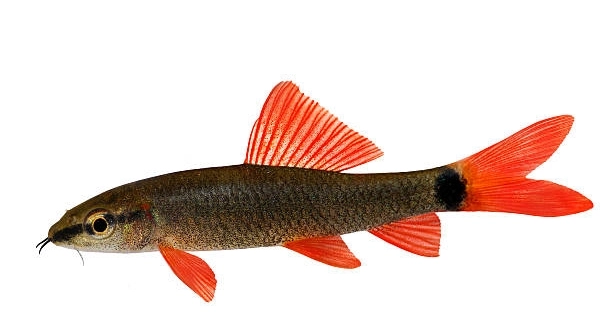
Rainbow sharks are popular aquarium fish known for their striking colors and active behavior. Many fishkeepers find themselves unsure about what to expect from their behavior in a home tank. Understanding their habits can improve care and enjoyment.
Several common misconceptions about rainbow shark behavior exist, often leading to improper care. These misunderstandings include their aggression levels, activity patterns, territorial needs, and social interactions. Clarifying these points is essential for maintaining a healthy environment for these fish.
Knowing the truth behind these behaviors can help you create a better habitat and foster a peaceful community tank for your rainbow shark.
Misconception 1: Rainbow Sharks Are Always Aggressive
Rainbow sharks are often seen as aggressive fish, but this isn’t always true. Their behavior depends on their environment and tank mates. They can show territorial aggression, especially in small tanks or when there is limited hiding space. However, in a well-maintained tank with enough room and proper decoration, they tend to be more peaceful. Most aggressive actions happen when they feel threatened or stressed. Proper tank size and layout can reduce these behaviors. Introducing rainbow sharks slowly to a community tank helps them adjust better to other fish. It’s important to watch their behavior regularly to prevent fights before they start.
Aggression usually arises from stress, overcrowding, or insufficient hiding spots. These factors should be managed carefully.
Understanding these details helps owners keep their rainbow sharks calm and healthy. Creating a suitable environment reduces aggression and supports a more balanced tank ecosystem.
Misconception 2: Rainbow Sharks Do Not Need Much Space
Rainbow sharks need adequate space to swim and establish territories. A cramped tank can lead to stress and aggression. The minimum recommended tank size for one rainbow shark is 30 gallons, but larger tanks are better when keeping multiple fish. Providing plenty of hiding spots and decorations helps create distinct territories. This allows them to avoid constant conflict. Without enough space, their natural behavior becomes aggressive and destructive. Overcrowding makes it hard for them to feel secure. Proper space supports their health and reduces stress-related illnesses.
Many owners underestimate the space requirements, thinking these fish can live comfortably in smaller tanks. This often causes behavioral problems.
To avoid this, make sure the tank is large enough and thoughtfully arranged. A well-planned habitat helps rainbow sharks thrive and live peacefully with other fish. It also promotes natural swimming and exploration, keeping the fish active and happy.
Misconception 3: Rainbow Sharks Are Active Only at Night
Rainbow sharks are not strictly nocturnal. They tend to be most active during the day and twilight hours, exploring their environment and swimming around. While they may show some activity at night, they do not hide away completely.
In aquariums, rainbow sharks usually swim actively during daylight, especially if the tank is well-lit. They use this time to search for food and patrol their territory. Their activity patterns depend on tank conditions and lighting schedules. Consistent lighting helps maintain a natural rhythm, encouraging healthy behavior.
If a rainbow shark seems inactive during the day, it may be stressed, ill, or living in unsuitable conditions. Regular observation and proper care can help keep their activity balanced and predictable.
Misconception 4: Rainbow Sharks Can Live Alone Without Issues
Rainbow sharks do not need to be kept alone, but they do require compatible tank mates and enough space. Keeping them in isolation can reduce aggression but may limit their natural social interactions. They can live peacefully with non-aggressive fish if the environment is suitable.
Providing hiding spots and proper territories helps rainbow sharks coexist with other fish. If tank size is limited, one rainbow shark may be better to prevent territorial fights. However, in larger tanks with enough resources, multiple rainbow sharks and other species can live together.
Balancing the community tank requires monitoring behavior and adjusting fish numbers as needed. Proper tank setup and regular care improve harmony, whether the rainbow shark is kept alone or with others.
Misconception 5: Rainbow Sharks Don’t Need Hiding Spots
Rainbow sharks need hiding places to feel safe. Without enough shelters, they can become stressed and aggressive. Rocks, plants, and decorations help create these safe areas.
Hiding spots reduce conflicts and give rainbow sharks a place to retreat when overwhelmed. This helps maintain a peaceful tank environment.
Misconception 6: Rainbow Sharks Can Eat Anything
Rainbow sharks need a balanced diet rich in protein. They enjoy sinking pellets, live foods, and vegetables. Feeding them only flakes or random foods can cause health problems.
Providing a varied diet supports their growth and vibrant colors.
Misconception 7: Rainbow Sharks Don’t Need Regular Tank Maintenance
Tank cleanliness is crucial for rainbow sharks. Poor water quality stresses them and increases disease risk. Regular water changes and filter cleaning keep the tank healthy and fish thriving.
FAQ
How big do rainbow sharks grow?
Rainbow sharks usually grow up to 6 inches in length when fully mature. Proper tank size and good nutrition can influence their growth. Keeping them in cramped spaces may stunt their growth or cause stress. They need enough room to swim freely and develop properly.
Are rainbow sharks aggressive to all fish?
Rainbow sharks show territorial aggression mostly toward similar-looking or slow-moving fish. They can be peaceful with fast or non-territorial species. Providing hiding spots and a spacious tank reduces aggressive behavior. Monitoring tank dynamics helps maintain harmony.
What is the ideal tank size for rainbow sharks?
A 30-gallon tank is the minimum size for one rainbow shark. Bigger tanks are recommended if housing multiple fish or other species. Ample space helps prevent stress and territorial fights. Tank size should always accommodate the active swimming nature of rainbow sharks.
Can rainbow sharks live with goldfish?
Rainbow sharks and goldfish usually don’t mix well. Goldfish prefer cooler water, while rainbow sharks need warmer tropical conditions. Their activity levels and water requirements differ, making them unsuitable tank mates. It’s best to keep rainbow sharks with compatible tropical fish.
What do rainbow sharks eat in captivity?
They thrive on a diet of sinking pellets, bloodworms, brine shrimp, and occasional vegetables like zucchini or peas. Feeding a varied diet ensures balanced nutrition and vibrant colors. Overfeeding or feeding only flakes can lead to health issues.
How often should I feed my rainbow shark?
Feeding once or twice daily in small amounts is ideal. They should eat all the food within a few minutes to avoid leftovers polluting the tank. Overfeeding can cause water quality problems and obesity in fish.
Do rainbow sharks require special water conditions?
Rainbow sharks prefer water temperatures between 72–79°F (22–26°C), with a pH level between 6.5 and 7.5. Stable water parameters are crucial to prevent stress and illness. Regular testing and water changes maintain optimal conditions.
How do I reduce aggression in my rainbow shark?
Provide a large tank with plenty of hiding places and decorations to break up territories. Avoid overcrowding and choose compatible tank mates. Feeding regularly and maintaining good water quality also helps lower aggression.
Can rainbow sharks jump out of tanks?
Yes, rainbow sharks can jump if startled or stressed. A tight-fitting lid or aquarium cover is important to prevent escapes. Reducing stressors and providing a secure environment lowers the chance of jumping.
How long do rainbow sharks live?
With proper care, rainbow sharks can live 5 to 8 years in captivity. Good water quality, diet, and tank conditions support their longevity. Regular observation and prompt care for illnesses contribute to a healthy lifespan.
What signs show my rainbow shark is stressed?
Signs of stress include hiding constantly, loss of color, erratic swimming, and loss of appetite. Stress often results from poor water quality, overcrowding, or incompatible tank mates. Addressing these issues quickly helps the fish recover.
Is it necessary to keep rainbow sharks in groups?
Rainbow sharks are territorial and usually do better alone or in very large tanks where they can establish separate territories. Keeping multiple rainbow sharks in small tanks often causes aggression. Grouping them requires careful planning and monitoring.
How often should I clean the tank?
Partial water changes of 20-30% once a week help keep the tank clean and water parameters stable. Regular filter maintenance is also important. Clean water reduces stress and supports the health of rainbow sharks and other fish.
Can rainbow sharks live with other bottom dwellers?
They can coexist with non-aggressive bottom dwellers like Corydoras catfish or loaches if there is enough space. However, competition for territory or food can occur. Observing interactions helps ensure compatibility.
What is the best way to introduce a rainbow shark to a new tank?
Acclimate the fish slowly by floating the bag in the tank and gradually mixing tank water inside. This reduces shock from temperature and water chemistry changes. Introduce the rainbow shark during low activity times to lessen stress.
Are rainbow sharks good for beginner fishkeepers?
Rainbow sharks require moderate care and attention to tank size, diet, and water quality. They are not the easiest fish for absolute beginners but can be kept successfully with proper preparation. Learning about their needs improves the experience.
Rainbow sharks are fascinating fish that add color and activity to home aquariums. Understanding their true behavior helps owners provide the best care possible. Many common ideas about rainbow sharks don’t fully reflect their needs or habits. Knowing the facts makes a big difference in how well these fish adapt to a tank environment and interact with other fish. It is important to remember that their behavior depends heavily on their surroundings and care.
Providing a proper tank size, hiding spots, and a balanced diet supports the natural behavior of rainbow sharks. They are not always aggressive or active only at night, as some might think. When kept in a spacious tank with suitable companions, they can be peaceful and healthy. Regular tank maintenance and monitoring water quality are also essential to keep these fish thriving. Avoiding overcrowding and making sure they have places to retreat reduces stress and improves their well-being. Good care encourages rainbow sharks to show their true personality without unnecessary aggression or fear.
Taking time to learn about rainbow sharks before bringing them home can prevent many common problems. These fish require more attention than some beginners expect, but the effort is rewarding. When cared for properly, rainbow sharks can live long, healthy lives and be a colorful addition to any community tank. Understanding their behavior clearly will help create a better environment for both the fish and their keepers. This knowledge supports responsible fishkeeping and helps rainbow sharks flourish in captivity.

Hello,
If you enjoy the content that we create, please consider saying a "Thank You!" by leaving a tip.
Every little bit helps us continue crafting quality advice that supports the health, happiness, and well-being of pets around the world, for pets of all shapes, sizes, and species.
We really appreciate the kindness and support that you show us!