
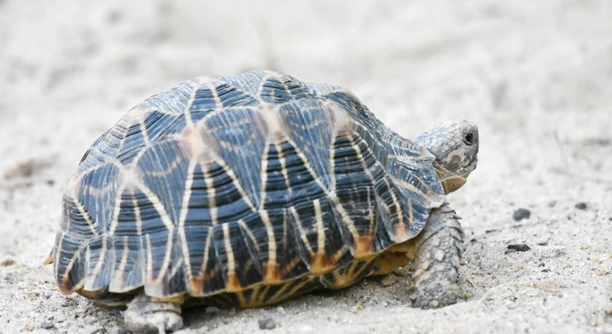
Caring for an Indian Star Tortoise requires more than just feeding it the right food. Ensuring that it gets enough fiber is essential for its health and digestive system. In this article, we explore ways to make sure your tortoise gets enough fiber.
Providing adequate fiber to your Indian Star Tortoise involves offering a variety of high-fiber foods, maintaining proper hydration, and ensuring a balanced diet. Regularly monitor its health and adjust its diet based on activity level and age.
The following tips will help you maintain your tortoise’s fiber intake. These small steps will ensure your pet stays healthy and happy in the long run.
Offer a Variety of High-Fiber Foods
To ensure your Indian Star Tortoise is getting enough fiber, it’s important to provide a variety of high-fiber foods. This includes leafy greens like dandelion greens, collard greens, and kale, which are naturally rich in fiber. Adding grasses and weeds, such as clover or plantain, can also be beneficial. Additionally, certain vegetables, like squash and bell peppers, offer fiber as well. Variety is key to providing essential nutrients and ensuring a balanced diet.
A diverse range of fiber sources not only supports digestion but also helps prevent any nutritional gaps. Over time, the tortoise will likely develop preferences, but introducing new foods regularly keeps its diet exciting and healthy.
Keep in mind that certain fruits like apples, pears, and berries can also be given occasionally. However, these should not make up the bulk of the diet since they can be too sugary. You should aim to have a good mix of vegetables, greens, and grasses to keep things balanced.
Keep the Diet Low in Protein
While fiber is important, it’s equally essential to keep protein levels in check. Too much protein can lead to health problems. Aim for a diet that is more plant-based than protein-heavy. Protein-rich foods like animal-based products or high-protein plants should only be offered in moderation.
Excessive protein intake can cause shell deformities, kidney issues, and other health problems. A fiber-focused diet allows for healthier digestion and maintains the tortoise’s overall well-being. Choosing the right types of food ensures the tortoise gets the nutrients it needs without the risks associated with high-protein diets. A balanced, fiber-filled menu is always the best option for long-term health.
Provide Fresh Water Regularly
Fiber works best when your tortoise has proper hydration. Always provide fresh, clean water to keep its digestive system running smoothly. Make sure the water bowl is large enough for your tortoise to soak if needed. Hydration also aids in digestion, helping the fiber do its job effectively.
Without enough water, the tortoise might experience constipation, which can lead to serious health issues. Water helps soften the fiber in the digestive tract, making it easier for your tortoise to process. Changing the water daily ensures it stays clean and free of contaminants.
If your tortoise is not drinking much, try soaking it in lukewarm water for about 20 minutes a couple of times a week. This encourages hydration and keeps the tortoise healthy. Always monitor its behavior, as signs of dehydration, such as dry skin or lack of energy, may indicate it’s time for more water.
Avoid Overfeeding Processed Foods
Avoid giving your tortoise processed or high-fat foods that lack fiber. These foods can negatively affect digestion and cause weight gain, making it harder for the tortoise to maintain a healthy, balanced diet. Stick to whole, fresh foods.
Processed foods often contain little to no fiber and may be packed with chemicals or preservatives that aren’t suitable for your tortoise’s digestive system. They can lead to sluggish digestion, resulting in constipation or other issues. The more natural the food, the better it is for your tortoise’s gut health.
Focus on fresh greens, weeds, and safe vegetables. If you want to provide extra variety, herbs like parsley or basil can also be added. These are not only tasty but packed with fiber. Avoid treats like processed fruits or pre-packaged tortoise food, as they can disrupt your tortoise’s fiber intake.
Monitor Fiber Intake Based on Age
The amount of fiber your tortoise needs depends on its age. Younger tortoises require more protein and less fiber, while older tortoises need a higher fiber intake to maintain digestive health. Adjust their diet accordingly as they grow. A proper balance helps maintain health.
For younger tortoises, offer a slightly higher protein diet but still include fiber-rich vegetables and greens. As they age, reduce the protein and focus more on fiber-rich foods to support their digestive system. Monitor their weight and behavior to adjust the fiber content when necessary.
Supplement with Fiber-Rich Grass Hay
Grass hay is an excellent addition to your tortoise’s diet, especially for older tortoises that need more fiber. High-quality grass hay like timothy hay is perfect for providing a steady source of fiber. It helps in digestion and ensures the tortoise maintains a healthy weight.
Offering grass hay daily gives your tortoise access to a natural, high-fiber food that is safe and beneficial. It provides roughage, which is essential for keeping the digestive system running smoothly. Avoid hays with high protein content, such as alfalfa, as they are better suited for younger tortoises.
Keep an Eye on Your Tortoise’s Weight
Monitoring your tortoise’s weight regularly is essential for ensuring it gets enough fiber. If it’s losing weight or becoming too thin, you might need to increase fiber intake. Similarly, if it’s gaining excess weight, reduce the fiber-rich foods. Balance is key.
FAQ
What are the best fiber-rich foods for my Indian Star Tortoise?
The best fiber-rich foods for your tortoise include leafy greens like dandelion greens, collard greens, and kale. You can also offer grasses such as clover, plantain, and timothy hay. Squash and bell peppers are also good options, providing both fiber and vitamins. Fresh, safe weeds like chickweed or plantain leaves are great additions too. Just make sure all foods are pesticide-free and organic if possible.
Can I feed my tortoise fruits for fiber?
While fruits contain some fiber, they should be given sparingly. High-fiber fruits like apples, pears, and berries can occasionally be included, but they are high in sugar. Too much fruit can cause digestive issues and imbalance your tortoise’s diet. Focus primarily on greens and grasses for a more reliable source of fiber.
How often should I feed my tortoise high-fiber foods?
High-fiber foods should be offered daily. The majority of your tortoise’s diet should consist of leafy greens, grasses, and vegetables to ensure they get enough fiber. You can also introduce fiber-rich herbs like basil or parsley regularly to provide some variety. Consistency in fiber intake is crucial for maintaining a healthy digestive system.
Can too much fiber hurt my tortoise?
Generally, too much fiber isn’t a problem for your tortoise, but an imbalance of fiber and other nutrients could cause digestive issues. The main concern would be a lack of other necessary nutrients, such as protein or fats. A varied diet with appropriate proportions of fiber, protein, and vitamins is key to your tortoise’s well-being.
What are signs that my tortoise isn’t getting enough fiber?
Signs that your tortoise may not be getting enough fiber include constipation, lethargy, or difficulty passing waste. If you notice these issues, try increasing the amount of fiber in its diet with more leafy greens or grasses. Make sure to also offer fresh water regularly to support digestion.
How can I help my tortoise stay hydrated for better fiber digestion?
Hydration plays a crucial role in helping your tortoise process fiber. Always ensure fresh water is available. You can encourage hydration by soaking your tortoise in lukewarm water for 15–20 minutes once or twice a week. This helps with digestion and prevents dehydration, which can lead to constipation.
Should I avoid feeding my tortoise certain foods for better fiber intake?
Yes, some foods should be avoided for optimal fiber intake. High-protein foods like animal-based proteins (meats or insects) should be limited, especially for adult tortoises. These foods can interfere with fiber digestion. Similarly, avoid offering too many sugary fruits, as they provide little fiber and can disrupt your tortoise’s digestion. Stick to fresh, fibrous vegetables, grasses, and hay for the best results.
Is grass hay a necessary part of my tortoise’s diet?
Grass hay is a vital part of your tortoise’s diet. It’s an excellent source of fiber, which aids in digestion and keeps the intestines moving. Offering hay like timothy hay ensures that your tortoise gets a natural source of roughage. It can be offered daily alongside fresh greens and vegetables.
How do I know if my tortoise is getting the right amount of fiber?
To determine if your tortoise is getting the right amount of fiber, observe its overall health. A well-fed tortoise will have a healthy, firm shell, active behavior, and normal bowel movements. If your tortoise is sluggish, constipated, or has soft or irregular stool, it may not be getting enough fiber. Regularly check its diet to ensure it includes enough fiber-rich foods.
Can I feed my tortoise commercial food for fiber?
Commercial tortoise food can be convenient, but it’s important to check the ingredients carefully. Some pre-packaged foods may not provide enough fiber and can be high in artificial additives. If you choose to feed commercial food, ensure it’s high-quality and contains mainly plant-based ingredients like dried grasses or hay. However, always prioritize fresh, natural foods for the best health benefits.
What are the consequences of feeding my tortoise too much protein?
Feeding your tortoise too much protein can lead to health issues like kidney problems and shell deformities. Excessive protein can also upset the balance of its diet and interfere with the absorption of other essential nutrients, including fiber. Ensure that your tortoise’s diet is primarily plant-based with minimal protein, especially as it ages. Keep protein levels balanced to promote good overall health.
Final Thoughts
Providing your Indian Star Tortoise with the right amount of fiber is essential for its digestive health. A proper diet that includes plenty of high-fiber foods like leafy greens, grasses, and vegetables will help keep your tortoise’s digestion smooth. These foods are important for ensuring that your tortoise has regular bowel movements and doesn’t suffer from constipation. Along with fiber, hydration plays an equally important role in supporting digestion. Make sure your tortoise always has access to fresh water to aid in breaking down the fiber and promoting healthy digestion.
It’s important to pay attention to the balance of nutrients in your tortoise’s diet. Too much fiber might not be harmful, but if it’s not combined with other necessary nutrients, like protein and vitamins, it can lead to health issues. As your tortoise ages, its fiber needs may change, and it’s crucial to adjust its diet accordingly. Younger tortoises tend to need more protein, while older ones require a higher fiber intake. Regularly assessing your tortoise’s behavior, weight, and stool consistency can help you ensure it’s getting the right nutrients in the proper amounts.
By sticking to a diet of fresh, natural foods and avoiding processed or high-protein items, you’ll be able to support your tortoise’s health in the long run. Offering variety, such as different types of greens, weeds, and hay, helps keep things interesting for your tortoise while meeting its nutritional needs. Small changes, like offering occasional fiber-rich fruits or herbs, can also make a difference in its overall health. A well-balanced diet with adequate fiber will help your tortoise live a healthy, happy life.

Hello,
If you enjoy the content that we create, please consider saying a "Thank You!" by leaving a tip.
Every little bit helps us continue crafting quality advice that supports the health, happiness, and well-being of pets around the world, for pets of all shapes, sizes, and species.
We really appreciate the kindness and support that you show us!