
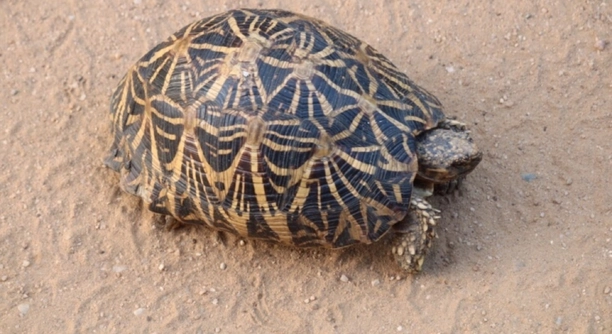
Creating the perfect substrate for your Indian Star Tortoise is essential for their health and well-being. The right material will provide them with comfort, safety, and a suitable environment for natural behaviors.
The ideal substrate for an Indian Star Tortoise should be easy to clean, safe for digestion, and mimic their natural habitat. Materials like coconut husk, cypress mulch, and soil blends can work well. It’s important to avoid substrates that may cause impaction.
Choosing the correct substrate goes beyond aesthetics; it’s a matter of your tortoise’s comfort and long-term health. Proper care and substrate options are key to creating a happy home for your pet.
Why Substrate Matters for Your Indian Star Tortoise
The substrate you choose for your Indian Star Tortoise has a direct impact on their health and comfort. Tortoises are natural burrowers, so they need a substrate that allows them to dig and feel secure. A poor substrate could cause stress or health issues, especially if it isn’t absorbent or safe. Some substrates might even carry bacteria or mold that can harm your tortoise over time. It’s not just about creating a space that looks good; it’s about making sure it meets the physical and behavioral needs of your pet.
Picking a safe substrate also helps with humidity control and temperature regulation, which are crucial for a tortoise’s well-being. If the substrate is too dry or too wet, it can lead to skin issues, dehydration, or respiratory problems. Keep these factors in mind while choosing what works best for your tortoise.
The right substrate should be simple to maintain and not pose any risk of harm if ingested. Finding the balance between comfort and safety is essential. Proper research will ensure that your tortoise thrives in a well-maintained environment.
Popular Substrate Options
There are several options to consider when selecting the best substrate for your tortoise.
Coconut husk, cypress mulch, and topsoil are among the most commonly used substrates. Each offers different benefits and considerations.
Coconut husk is a favorite choice because it’s absorbent, safe for digestion, and relatively easy to clean. It retains moisture well, which helps keep humidity levels stable in your tortoise’s habitat. However, make sure to buy the shredded or chipped version, as large pieces could pose a choking hazard. Cypress mulch also offers excellent moisture retention and is free from harmful chemicals, making it another great option. It is also soft enough for your tortoise to burrow into. Lastly, topsoil can work well if mixed with other materials to help with drainage and prevent clumping. Avoid using dirt from your garden, as it may contain pesticides or parasites.
Substrate Maintenance Tips
Keeping your tortoise’s substrate clean is important for their health.
Regularly spot clean by removing uneaten food and waste. You’ll also need to replace sections of the substrate every few weeks, depending on how quickly it gets soiled.
Best Substrates for Humidity Control
Maintaining the right humidity is key for your tortoise’s health, and the substrate plays a big role in this.
Coconut husk works well for retaining moisture without staying overly wet. It absorbs water but doesn’t become too soggy, making it an ideal choice for humidity control. Cypress mulch is also effective in maintaining moisture levels and can help avoid fluctuations that may stress your tortoise. When choosing a substrate for humidity, avoid sand or gravel, as they can dry out the environment quickly.
Another good option for humidity control is a soil blend mixed with organic matter like sphagnum moss. This type of substrate holds moisture and provides a more natural feel for your tortoise. However, it’s important to monitor the moisture level regularly to prevent mold growth. Keeping the substrate damp, but not soaking, will help regulate humidity. You can also lightly mist the substrate to help maintain the right environment without over-saturating it.
Best Substrates for Digging and Burrowing
Tortoises love to dig, so you need a substrate that lets them indulge in their natural behaviors.
Coconut husk and cypress mulch are both good for burrowing. These materials provide the right texture that allows your tortoise to dig easily. The soft consistency of these substrates is gentle on their claws while still providing enough resistance for them to create shallow burrows. They will feel safe and secure as they dig, mimicking their natural habitat.
Topsoil can also be used for burrowing, but it should be mixed with other materials to improve drainage. If the soil is too dense, it can become compacted, making it difficult for your tortoise to dig. A good mix of topsoil and organic material like coconut coir or peat moss offers both moisture retention and diggability. Keep an eye on the depth of the burrows to ensure your tortoise doesn’t get stuck or create hazards.
Best Substrates for Temperature Regulation
Certain substrates help maintain a stable temperature in your tortoise’s habitat.
Coconut husk is a great choice for temperature regulation, as it holds warmth without overheating. It’s also versatile in adjusting to different humidity levels. Another option is cypress mulch, which is breathable and helps maintain a comfortable environment.
Both of these substrates are ideal for keeping the temperature within a safe range for your tortoise. Ensuring your tortoise can stay warm and cool enough is crucial for their health.
Substrates to Avoid
Some substrates are not safe for your tortoise, so it’s best to steer clear of them.
Avoid using sand, as it can cause impaction if ingested. This is a serious risk for your tortoise’s digestive system. Also, steer clear of pine or cedar wood shavings, as they contain oils that can be harmful to reptiles.
Cost-Effective Substrates
When on a budget, look for options that are both affordable and safe.
Topsoil is a cheap and easily accessible substrate. It works well when mixed with coconut coir or other organic materials to improve drainage. Another affordable option is newspaper or paper towels, though they don’t offer the same natural environment for digging.
FAQ
What is the best substrate for an Indian Star Tortoise?
The best substrate for an Indian Star Tortoise is one that is safe, easy to clean, and mimics their natural environment. Coconut husk, cypress mulch, and soil blends are commonly recommended. These materials retain moisture, provide a soft surface for burrowing, and are safe if ingested in small amounts. Avoid substrates that can cause impaction, such as sand or gravel.
Can I use sand for my tortoise’s habitat?
It’s best to avoid sand as a substrate for your Indian Star Tortoise. Sand can cause impaction if ingested, which can lead to severe digestive issues. While it might seem like a natural choice, it’s risky. Instead, opt for coconut husk or cypress mulch, which are much safer and more beneficial to your tortoise.
How often should I change the substrate in my tortoise’s enclosure?
You should spot clean the substrate regularly to remove waste and uneaten food. Full substrate changes should happen every 3 to 4 weeks, depending on the amount of waste and moisture in the enclosure. If the substrate becomes smelly or overly damp, replace it sooner to keep your tortoise healthy and comfortable.
How do I maintain humidity levels with my substrate?
Substrates like coconut husk and cypress mulch are excellent for maintaining stable humidity levels. These materials retain moisture well, so you should mist the substrate lightly to keep the humidity levels consistent. Keep an eye on the moisture level—if it’s too wet, it can promote mold growth; too dry, and your tortoise may suffer from dehydration or respiratory issues.
Can I mix different substrates together?
Yes, mixing substrates can be beneficial. Combining coconut husk with cypress mulch or topsoil creates a good balance of moisture retention and diggability. You can also add sphagnum moss to enhance humidity control. Just make sure the mix is safe and won’t lead to any clumping or uneven moisture levels that might harm your tortoise.
Are there any substrates that I should never use?
Yes, avoid using pine or cedar shavings, as they contain oils that are toxic to reptiles. These oils can cause respiratory issues and other health problems. Also, avoid using synthetic materials or anything that could potentially cause harm, such as brightly colored or treated paper shreds. Stick to natural, untreated materials like coconut husk, cypress mulch, and topsoil.
Can I use natural dirt from outside for my tortoise’s enclosure?
Natural dirt from outside can be used, but it should be mixed with other substrates like coconut husk to improve drainage and ensure it’s safe. Be careful, as dirt can contain pesticides, parasites, or bacteria that might harm your tortoise. Always disinfect any outdoor dirt before adding it to the enclosure to prevent introducing harmful elements.
What size should the substrate be for an Indian Star Tortoise?
The substrate should be deep enough for your tortoise to dig comfortably. Aim for at least 2-4 inches of substrate to allow for some burrowing. You can always add more depth if your tortoise enjoys digging deeper. Be sure the surface is soft, so they can comfortably move around without injury.
Can I use rocks or gravel as a substrate?
It’s not recommended to use rocks or gravel as a substrate for your tortoise. These materials can be too hard on their shells and could cause injury. Additionally, small rocks or gravel might be ingested accidentally, leading to potential digestive problems. Stick to softer, safer options like coconut husk or cypress mulch.
How do I clean the substrate?
To clean the substrate, remove any waste and uneaten food daily. Periodically, you should replace sections of the substrate, especially if it’s soiled. When you do a full substrate change, wash and disinfect the enclosure to remove any bacteria or mold. Always make sure the new substrate is dry before adding it back into the habitat.
Final Thoughts
Choosing the right substrate for your Indian Star Tortoise is an essential part of providing a healthy and comfortable environment. It’s important to consider factors like moisture retention, temperature regulation, and safety. Coconut husk and cypress mulch are some of the most popular options due to their ability to retain moisture and provide a safe, natural surface for digging. Mixing substrates like coconut husk with soil or topsoil can also create a more suitable environment for your tortoise to burrow and explore. Each substrate type offers different benefits, so it’s crucial to think about your tortoise’s specific needs when making a choice.
Maintaining the substrate is just as important as choosing the right one. Regular cleaning is essential to ensure that your tortoise’s enclosure remains a healthy space. Spot clean daily to remove waste and uneaten food, and replace the substrate every few weeks, depending on how quickly it becomes soiled. It’s also a good idea to check the moisture levels of the substrate regularly. Too much moisture can lead to mold growth, while too little can dry out the habitat and cause dehydration for your tortoise. By keeping the substrate clean and the right moisture balance, you’re helping to create a safer, more comfortable home for your tortoise.
When choosing and maintaining the substrate, always avoid materials that could harm your tortoise. Sand, gravel, and cedar or pine shavings should be avoided because they pose risks like impaction or respiratory issues. Instead, focus on natural, safe substrates that encourage natural behaviors like burrowing. By selecting the right materials and keeping the habitat clean, you’ll ensure your Indian Star Tortoise stays healthy and happy for years to come. Remember, the substrate is a key part of your tortoise’s well-being, so it’s worth taking the time to get it right.

Hello,
If you enjoy the content that we create, please consider saying a "Thank You!" by leaving a tip.
Every little bit helps us continue crafting quality advice that supports the health, happiness, and well-being of pets around the world, for pets of all shapes, sizes, and species.
We really appreciate the kindness and support that you show us!