
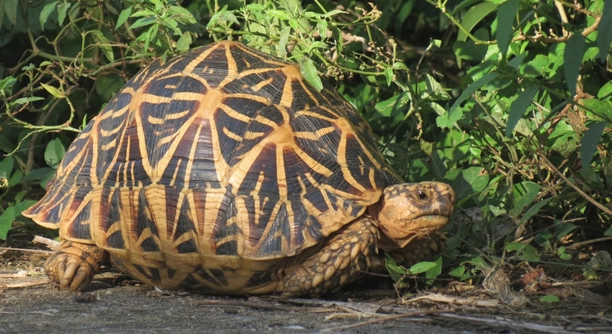
If your Indian star tortoise is not basking, it could be a sign of underlying issues. Understanding why this happens is important for your tortoise’s well-being. This guide will help you identify the problem and how to resolve it.
There are several reasons why your Indian star tortoise may not be basking. Factors like inadequate lighting, incorrect temperature, and stress can all affect their behavior. By addressing these issues, you can encourage your tortoise to bask and maintain its health.
Addressing the underlying causes is key to helping your tortoise feel comfortable again. By ensuring the proper environment and care, you can support its health and encourage natural behaviors.
Lighting Issues
If your tortoise isn’t basking, the first thing to check is the lighting. Your tortoise relies on UVB lighting to help it produce vitamin D3, which is crucial for its health. Without the right light, your tortoise won’t feel the urge to bask or might not even be able to properly absorb the calcium it needs. Ensure you’re using a high-quality UVB bulb and replace it every 6 months, even if it seems to be working.
UVB bulbs should be positioned within 12 inches of your tortoise to ensure effective exposure. Place the light in a spot where your tortoise can easily move between the heat and the cooler areas. The light should be on for about 10-12 hours each day to mimic natural sunlight cycles.
Also, check that the bulb isn’t too old or too dim to provide sufficient UVB rays. Over time, the bulb loses its effectiveness, even if it’s still emitting visible light. Regular maintenance and proper placement of your UVB light will keep your tortoise basking happily and healthy.
Temperature Concerns
Another common reason your tortoise might avoid basking is improper temperature regulation.
The basking area should be around 90°F-95°F (32°C-35°C), while the cooler side should be about 75°F-80°F (24°C-27°C). If either side of the tank is too hot or too cold, your tortoise may not feel comfortable enough to bask. The temperature gradients help your tortoise regulate its body temperature and remain active.
If the basking spot is too cool, your tortoise won’t be able to digest food properly, and if it’s too hot, it could become stressed. Using a thermometer to monitor the environment is key to ensuring the temperature stays in the correct range. A basking lamp or heat pad can help raise the temperature, but be sure to check that it’s not causing the area to overheat. Adjusting the heat and humidity levels can often bring your tortoise back to its basking routine.
Stress Factors
Stress can easily affect your tortoise’s behavior, causing it to avoid basking.
If there’s too much noise, movement, or changes in the environment, your tortoise might feel threatened and decide to stay hidden. Constant changes in the habitat, like rearranging furniture or too many visitors, can make your tortoise feel unsettled. It’s important to keep the enclosure in a quiet, stable spot, away from loud sounds or activities.
Also, stress can stem from a lack of hiding places. Providing your tortoise with places to hide and retreat to when it feels insecure can help reduce stress. Try adding natural hides like rocks or plants, or simple tunnels. Keeping the space peaceful and consistent will create a better environment for basking and healthy living.
Health Issues
Sometimes, a lack of basking could be due to underlying health problems.
Infections or parasites can cause your tortoise to feel lethargic, which means it may avoid basking altogether. Other health issues, such as metabolic bone disease or respiratory infections, can also lead to abnormal behavior. If your tortoise shows any signs of illness, like loss of appetite, wheezing, or swelling, it’s time to consult a vet.
If your tortoise isn’t basking as usual and you can’t pinpoint the cause from its environment, a check-up is necessary to rule out any medical concerns. A simple vet visit can go a long way in keeping your tortoise happy and healthy. Make sure to stay on top of regular check-ups to ensure long-term well-being.
Humidity Problems
Too much or too little humidity can discourage your tortoise from basking.
Indian star tortoises thrive in a moderate humidity range of 50%-70%. If the humidity is too low, it can lead to dehydration and cause your tortoise to retreat into its shell. On the other hand, excessive humidity can make the environment uncomfortable and affect your tortoise’s ability to regulate body temperature.
Maintaining proper humidity levels requires using a hygrometer to monitor the environment. You can adjust the humidity by adding a water dish, misting the enclosure lightly, or using a humidifier if needed. Ensure the humidity level is consistent throughout the enclosure, especially in the basking area, for a healthy environment that encourages basking.
Enclosure Size
An enclosure that’s too small can lead to stress and avoid basking.
Tortoises need space to move around and regulate their body temperature. A cramped enclosure can prevent your tortoise from reaching its basking area or can make it feel confined, leading it to avoid the heat source. The minimum recommended size for an adult Indian star tortoise enclosure is 4×6 feet.
Providing enough room helps reduce stress and allows your tortoise to roam freely between basking and cool areas. Additionally, having enough space for hiding spots and climbing areas keeps your tortoise mentally stimulated and healthy. A spacious enclosure promotes natural behaviors, including basking.
Diet Issues
A poor diet can contribute to your tortoise not basking.
Indian star tortoises need a balanced diet of leafy greens, grasses, and some vegetables. A lack of proper nutrition can lead to lethargy or an unwillingness to bask. Overfeeding fruits or high-protein foods can cause health issues, making basking less appealing.
Ensure your tortoise is getting enough calcium, fiber, and variety in its diet. If they are missing essential nutrients, they may avoid basking to conserve energy. A proper diet supports your tortoise’s health, making it more likely to bask regularly for warmth and digestion.
Handling and Interaction
Frequent handling or excessive interaction can cause stress and discomfort.
Your tortoise may avoid basking if it feels disturbed or threatened. Excessive handling, especially during feeding or basking times, can make it uneasy. Leave your tortoise to settle into its enclosure without interference, especially during its active periods. Handling should be kept minimal, focusing on providing a safe and calm environment for your tortoise.
Create a peaceful routine, allowing your tortoise to feel secure and relaxed, which will encourage natural basking behavior.
FAQ
Why isn’t my tortoise basking?
There are several reasons your tortoise might not be basking. It could be related to environmental factors like improper lighting, temperature, or humidity. Stress from handling or changes in its surroundings can also discourage basking. Health issues such as infection or discomfort can cause your tortoise to avoid basking. Make sure its habitat is suitable and check for any signs of illness.
How can I make sure the lighting is right for my tortoise?
To provide the best lighting for your tortoise, use a UVB bulb specifically designed for reptiles. These bulbs should be replaced every six months, even if they still produce visible light. The UVB light should be positioned within 12 inches of your tortoise to be effective. Make sure it’s on for about 10-12 hours a day to mimic natural sunlight.
What temperature should my tortoise’s basking area be?
The basking area should be maintained at 90°F-95°F (32°C-35°C) during the day. If it’s cooler than that, your tortoise may avoid basking. Having a temperature gradient, where one side is warmer and the other cooler, allows your tortoise to move between areas to regulate its body temperature. Make sure the cooler side stays around 75°F-80°F (24°C-27°C).
Is humidity really that important for my tortoise?
Yes, humidity plays a big role in your tortoise’s comfort. Indian star tortoises thrive in moderate humidity, typically around 50%-70%. Too little humidity can cause dehydration, while too much can make the enclosure uncomfortable. You can adjust humidity by adding a water dish, misting the enclosure, or using a humidifier. Use a hygrometer to monitor levels.
Can stress make my tortoise stop basking?
Yes, stress can lead to changes in behavior, including avoiding basking. Stress can be caused by loud noises, too much handling, or changes in the environment. If your tortoise feels threatened or disturbed, it may retreat and avoid basking. Keep its environment quiet and stable, and try to limit handling to reduce stress.
How much space does my tortoise need?
Indian star tortoises require enough space to roam freely. A minimum enclosure size for an adult tortoise is about 4×6 feet. A cramped space can make your tortoise feel stressed and prevent it from reaching the basking area or feeling comfortable. A larger enclosure also allows for a proper temperature gradient, which encourages basking.
Is my tortoise’s diet affecting its basking?
Your tortoise’s diet plays a crucial role in its behavior. A poor diet lacking in necessary nutrients, like calcium, can lead to lethargy or reluctance to bask. Overfeeding fruits or high-protein foods can also negatively impact its health. Make sure to provide a balanced diet with plenty of leafy greens, grasses, and some vegetables to keep your tortoise healthy and active.
How can I tell if my tortoise is sick?
Signs of illness in a tortoise include lethargy, a lack of appetite, abnormal behavior (like avoiding basking), wheezing, or discharge from the eyes or nose. If your tortoise is not basking and shows other signs of illness, it’s important to consult a vet. Regular check-ups help catch health issues early.
Can I keep multiple tortoises together?
Indian star tortoises are solitary animals, and keeping multiple in the same enclosure can lead to stress, fighting, or competition for basking spots. If you do keep more than one, ensure the enclosure is large enough for them to have their own space and basking areas. Monitor them closely for any signs of aggression or stress.
What should I do if my tortoise isn’t eating or basking?
If your tortoise isn’t eating or basking, it could be due to an issue with its environment or health. Check the lighting, temperature, and humidity to make sure everything is optimal. If the problem persists, it’s best to take your tortoise to a vet for a thorough check-up.
Final Thoughts
If your Indian star tortoise is not basking, it’s important to take a step back and assess its environment and health. Tortoises rely on basking to regulate their body temperature and to stay healthy, so understanding the root cause is key to fixing the issue. Often, it’s a problem with temperature, lighting, humidity, or stress. Ensuring that these factors are in balance can encourage your tortoise to bask regularly. If everything seems fine with the environment but your tortoise still isn’t basking, there may be a health issue at play. In that case, a vet check is necessary.
Creating a calm and suitable environment for your tortoise is essential for its well-being. Make sure the basking area is at the right temperature, and provide access to UVB light to support vitamin D3 production. The enclosure should be spacious enough for your tortoise to move freely, with both a warm basking area and a cooler side. Proper humidity levels should also be maintained to prevent dehydration or stress. Regularly cleaning the enclosure and ensuring that your tortoise is receiving the right diet will also help keep it healthy and encourage natural behavior like basking.
Finally, if you’ve ruled out environmental issues and provided proper care, remember that sometimes tortoises just need time to adjust. Stress or sudden changes can make them retreat, so it’s important to allow them the space and peace they need. Keep monitoring their behavior, and if problems continue, seek guidance from a vet who specializes in reptiles. With the right care, your tortoise will likely return to basking and continue to thrive in a healthy, balanced environment.

Hello,
If you enjoy the content that we create, please consider saying a "Thank You!" by leaving a tip.
Every little bit helps us continue crafting quality advice that supports the health, happiness, and well-being of pets around the world, for pets of all shapes, sizes, and species.
We really appreciate the kindness and support that you show us!