
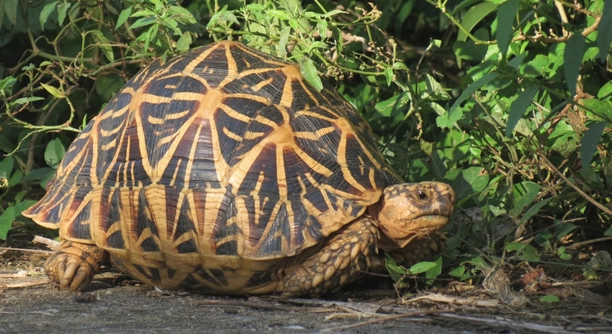
Turtles are wonderful pets, but sometimes they can be a bit shy when it comes to exploring their environment. If you’ve noticed your turtle staying in one spot, it might need a little encouragement to move around.
To encourage your turtle to explore more, ensure it has an enriching environment with the right space, temperature, and hiding spots. Providing stimulation, like plants or different textures, can also motivate them to venture out more often.
Creating a stimulating environment can help your turtle feel more comfortable and curious. Understanding what motivates your pet will allow it to explore its habitat and thrive.
Provide the Right Space and Environment
Turtles need a suitable space that allows them to move freely and comfortably. A small, cramped area can make them feel stressed and less inclined to explore. Make sure their habitat is large enough to encourage movement and play. If your turtle is kept in an aquarium, it should have enough room to swim around, and if kept on land, they should have access to various areas to wander.
In addition to space, provide hiding spots and different textures. Turtles are naturally curious, and exploring can be exciting when they feel secure in their surroundings.
Enrichment is key. Adding things like rocks, plants, or even a shallow water feature can encourage your turtle to explore more. They enjoy searching for food and interacting with objects in their environment, which helps stimulate both their physical and mental well-being. Turtles often feel more confident to roam around if they have an environment that mimics their natural habitat.
Maintain Proper Temperature and Lighting
Temperature and lighting play a significant role in a turtle’s comfort and exploration habits.
Turtles need a specific range of temperatures to stay active. Keep the basking area between 85-90°F, and the water temperature should be around 75-80°F, depending on the species. Without the right warmth, your turtle might become lethargic, limiting its desire to explore.
A well-lit area, especially with UVB lighting, is essential for your turtle’s overall health. This encourages natural behaviors like foraging and exploring. If your turtle feels cold or doesn’t have enough light, it might spend more time hiding rather than exploring its space. Make sure the lights are on for about 10-12 hours a day to mimic a natural day-night cycle. This ensures that your turtle remains active and is more likely to venture out of its shell.
Add Different Textures and Materials
Turtles are naturally curious creatures. Adding different textures to their environment can encourage exploration.
Consider adding items like smooth stones, rough logs, or even soft plants. These variations stimulate their senses and make the habitat more interesting. When turtles encounter new textures, they often investigate them, making their environment more engaging. It’s important to make sure the materials are safe and appropriate for your turtle’s species. For example, avoid sharp objects or anything that might cause injury.
Providing variety in texture helps keep your turtle active and interested. By offering different surfaces, such as sand, rocks, or plants, your turtle will have more to explore and interact with. This simple change can significantly improve their activity levels and mental stimulation. Turtles need constant mental engagement, and textures are one of the easiest ways to spark their curiosity and encourage them to move around more.
Give Your Turtle Healthy Treats
Turtles enjoy food just like any other pet. Offering healthy treats can encourage exploration by creating positive associations with moving around.
Leafy greens, berries, or small pieces of fish can make for a tasty treat. When you place food in different areas of the habitat, your turtle will be more likely to venture out in search of it. This helps them explore more territory while also rewarding their efforts. Just make sure the treats are appropriate for your turtle’s dietary needs.
Feeding your turtle in different parts of its environment encourages movement. You can also hide food under rocks or in plants, creating a natural foraging experience. This mimics how they would behave in the wild, increasing their desire to explore. Be mindful of the amount of treats, as overfeeding can lead to health problems. The right balance will ensure your turtle stays healthy while also being motivated to roam and discover more of its habitat.
Keep the Habitat Clean
A clean environment is essential for a turtle to feel comfortable and safe.
Remove uneaten food and waste regularly. Dirty water or a messy habitat can make your turtle feel stressed and less likely to explore. A clean space helps maintain proper health and encourages activity.
Routine cleaning ensures that your turtle doesn’t avoid certain areas of its habitat. A clean, well-maintained space gives your turtle the confidence to roam. If their environment smells or looks unkempt, they may be less likely to engage with it. By keeping things fresh, you create a welcoming space for exploration.
Introduce New Items Occasionally
Changing things up with new items can spark curiosity in your turtle.
Introducing new decorations or plants can encourage them to explore different parts of their environment. It’s important to add items that are safe and appropriate for their habitat.
New items create excitement and challenge, encouraging your turtle to explore areas they might not visit otherwise. Simple changes, like adding a log for climbing or a new hiding spot, make the environment more dynamic. It’s important to rotate objects to keep things fresh and maintain your turtle’s interest.
Use the Right Substrate
Choosing the proper substrate helps turtles feel more comfortable in their habitat.
Whether it’s sand, gravel, or soil, the right material will give your turtle something to dig or crawl through. The texture should be suitable for their needs and should encourage movement.
A natural substrate mimics the environment your turtle would encounter in the wild, making them more likely to explore. It provides sensory stimulation and allows them to interact with their space, just as they would in nature.
FAQ
How can I tell if my turtle is bored?
A bored turtle may become lethargic or spend most of its time hiding in one spot. If your turtle isn’t moving much, exploring its habitat, or interacting with its environment, it could be showing signs of boredom. A lack of interest in food or a refusal to engage in normal behaviors, like basking or swimming, may also indicate boredom. A more active, curious turtle is generally a healthier and happier one, so if you notice a change in their behavior, it might be time to shake things up in their environment.
Can turtles get too much stimulation?
Yes, turtles can get overwhelmed if their environment is constantly changing or if too many objects are added at once. It’s important to make gradual changes and not overload your turtle with stimulation. While enrichment is beneficial, it’s crucial that your turtle has enough time to adjust to new additions. Overstimulating your turtle may cause stress, which can lead to health problems. Monitor your turtle’s behavior and adjust the amount of stimulation based on how it reacts.
What are the best plants to put in my turtle’s habitat?
Live plants, like water lettuce, duckweed, and java fern, can make great additions to a turtle’s environment. These plants provide natural hiding spots and mimic the turtle’s natural habitat. However, make sure the plants you choose are safe for your specific turtle species. Some plants can be toxic to turtles, so research beforehand. You also need to ensure that the plants won’t overcrowd the habitat or affect the water quality.
How often should I move things around in my turtle’s habitat?
It’s helpful to move things around every few weeks to keep your turtle engaged. Changing the layout slightly can spark their curiosity and encourage exploration. However, try not to make drastic changes too frequently, as this can cause stress. Gradual changes help to maintain a balance between keeping the habitat interesting and providing a sense of familiarity and security for your turtle.
Is it okay to let my turtle roam outside its habitat?
Letting your turtle roam outside of its habitat can be fun, but it needs to be supervised. Make sure the area is safe, escape-proof, and free from potential hazards. Never leave your turtle unsupervised in an open space, as they can wander off or get into trouble. Some turtles may enjoy outdoor time, but others prefer staying in their familiar environment. Always monitor the temperature and lighting conditions, as outdoor environments may not provide the warmth or UVB rays your turtle needs.
How do I encourage my turtle to bask more?
Basking is crucial for a turtle’s health. To encourage basking, ensure the basking spot is warm enough, with temperatures between 85-90°F. Provide a safe, elevated surface where your turtle can dry off completely. If the basking area is too cold or uncomfortable, your turtle might avoid it. You can also add a UVB light, as this helps stimulate basking behavior. A proper basking spot will help your turtle maintain healthy shell growth and overall well-being.
Why is my turtle not eating?
A turtle that refuses to eat could be stressed, sick, or not feeling comfortable in its environment. Check the temperature of the water and basking area to make sure it’s within the correct range. Stress can occur from improper water quality, overcrowding, or being moved too often. If your turtle refuses to eat for an extended period, it’s important to consult a veterinarian to rule out health issues. If the environment is improved, most turtles will regain their appetite.
How can I prevent my turtle from becoming overweight?
Overfeeding and lack of exercise can lead to an overweight turtle. Make sure to provide the appropriate amount of food for your turtle’s size and age. Avoid feeding too many high-calcium or high-fat foods, such as fish or shrimp, as treats. Instead, focus on providing a varied diet of leafy greens and other vegetables. Ensure your turtle has enough space to swim and explore so it gets plenty of exercise. Regularly monitor its weight and adjust feeding as needed.
Do turtles like to swim or stay on land more?
It depends on the species of turtle. Some turtles are aquatic and prefer spending most of their time in the water, while others are land-based or semi-aquatic and enjoy a balance of both. To encourage exploration, make sure your turtle has access to both land and water areas that suit its needs. Aquatic turtles will often spend time swimming, but they will also need a dry area to bask. On the other hand, semi-aquatic turtles will enjoy a mixture of land and water for lounging and swimming.
How can I make my turtle feel secure in its environment?
To make your turtle feel secure, provide a habitat that mimics its natural surroundings as closely as possible. Include hiding spots, such as logs, rocks, or plants, where your turtle can retreat if it feels threatened. Keep the habitat quiet and calm, avoiding sudden noises or changes. A secure environment will encourage your turtle to explore, as it will feel safe doing so. Make sure the temperature and water conditions are stable to avoid stressing your turtle.
Final Thoughts
Encouraging your turtle to explore more can be a rewarding experience for both you and your pet. By making simple adjustments to their environment, such as adding textures, providing enough space, and introducing safe enrichment, you can help your turtle feel more comfortable and motivated to move around. Turtles are naturally curious animals, and with a little effort, you can spark their interest and encourage them to explore every corner of their habitat. The right balance of stimulation and security can make a big difference in how active and engaged your turtle is.
It’s important to remember that every turtle is different, and their preferences may vary. Some turtles are more active and curious, while others may prefer a quieter, more settled space. It’s crucial to observe your turtle’s behavior and adjust the environment accordingly. By keeping an eye on their habits and making changes when necessary, you can ensure that they stay healthy, happy, and active. Your turtle’s comfort should always be a priority, and any changes to their habitat should be gradual to avoid causing stress.
Ultimately, encouraging your turtle to explore more isn’t just about adding new objects or rearranging the habitat. It’s about creating an environment that makes them feel safe, secure, and curious. Turtles thrive in spaces where they feel they can roam freely and explore without feeling threatened. By maintaining a healthy, stimulating habitat, you’ll encourage your turtle to live a more active, fulfilling life, which is essential for their well-being.

Hello,
If you enjoy the content that we create, please consider saying a "Thank You!" by leaving a tip.
Every little bit helps us continue crafting quality advice that supports the health, happiness, and well-being of pets around the world, for pets of all shapes, sizes, and species.
We really appreciate the kindness and support that you show us!