
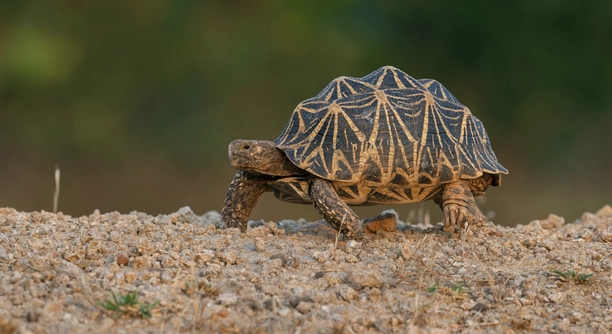
Turtles are fascinating creatures that often engage in unique behaviors. One of these is yawning, which may leave you wondering if it’s a sign of something more. Understanding why your turtle yawns can help you ensure its well-being.
Yawning in turtles can occur for various reasons, including fatigue, stress, or even a respiratory issue. In some cases, it can also indicate a behavioral response or a sign of discomfort due to environmental factors.
There are several potential causes behind your turtle’s yawning behavior. Identifying the underlying reason can help you address any health concerns and provide your turtle with the best care possible.
Fatigue and Sleepiness
Turtles, like all animals, need rest. If your turtle is yawning often, it could simply be feeling tired. Turtles tend to sleep a lot, especially in the wild, where they might have long periods of inactivity. It’s natural for them to yawn before resting. If your turtle is getting enough sleep, this behavior is nothing to worry about. However, the amount of sleep required varies depending on the species and age of the turtle. Younger turtles, for example, may sleep more than adults.
Yawning could also be a sign that your turtle is about to take a nap. This is normal and not something to be concerned about unless you notice other signs of lethargy.
A proper resting environment is important for your turtle’s overall health. If it is yawning frequently, consider checking its habitat to make sure it’s comfortable. Turtles are cold-blooded, so providing them with the right temperature is key to encouraging restful behavior. If the temperature is off, they may yawn more due to stress or discomfort.
Stress and Anxiety
If your turtle feels stressed, it might yawn as a sign of discomfort. Stress can come from many sources, such as a sudden change in its habitat or too much handling. Turtles can also become stressed if their environment is too noisy or if they feel threatened by other animals.
To help reduce stress, make sure your turtle’s tank is in a quiet, calm space. Ensure that it has enough hiding spots or places to retreat to when it feels overwhelmed. Additionally, try to avoid excessive handling. Turtles need their space and can become stressed if handled too much or too roughly.
If your turtle continues to yawn while showing signs of stress, adjusting its environment may help. Keeping things consistent and stable for your turtle can lead to a more relaxed, healthy pet.
Respiratory Issues
Yawning can be a sign that your turtle is having trouble breathing. Respiratory infections are common in turtles, especially if their tank is too cold or humid. These infections can make it harder for them to breathe, leading to frequent yawning.
If your turtle seems to be yawning more than usual, watch for other signs of respiratory issues like wheezing or discharge from the nose or eyes. If you notice these symptoms, it’s important to see a vet. Keeping your turtle’s tank clean and at the right temperature can prevent respiratory problems.
To maintain a healthy environment, ensure proper filtration in the tank to reduce bacteria buildup. Regularly clean your turtle’s living space and monitor humidity levels to avoid excess moisture. If you’re unsure about your turtle’s health, visiting a vet is always the safest option to rule out any serious issues.
Basking Behavior
Turtles yawn when they are basking, as it helps them stretch and relax. During basking, they naturally extend their necks and open their mouths. This behavior can resemble yawning but is simply a part of stretching.
Basking is essential for your turtle’s health, as it provides the heat and light needed to process calcium and promote healthy shell growth. If your turtle is yawning while basking, it could be trying to stretch or adjust its body to get more comfortable. This behavior helps it regulate body temperature and digest food.
However, if the yawning is excessive and your turtle isn’t basking properly, it could indicate discomfort. Make sure the basking area has the correct temperature, as turtles need both a warm and cool area to regulate their body heat.
Poor Diet
A lack of essential nutrients can cause your turtle to feel sluggish or weak, leading to more yawning. If your turtle’s diet is missing important vitamins or minerals, it may yawn as a sign of discomfort or fatigue.
Turtles need a balanced diet that includes leafy greens, vegetables, and occasional protein. Without the right nutrients, they might become lethargic. If you notice yawning alongside other signs like reduced appetite or weight loss, it could indicate a diet imbalance. Offering variety and ensuring the right foods are provided can improve your turtle’s energy levels.
Dehydration
If your turtle is not drinking enough water, it could become dehydrated, leading to yawning. Turtles require constant access to clean water, as it helps them stay hydrated and regulate their body temperature.
Dehydration can cause your turtle to become sluggish and may lead to other health problems. Make sure your turtle’s water bowl is clean and deep enough for it to drink and soak in comfortably. If the water level is too low or dirty, your turtle may not drink enough, which can affect its overall health and behavior.
FAQ
Why is my turtle yawning so often?
Yawning in turtles can happen for a few reasons. It might be a sign of fatigue, especially if your turtle has been active or is about to rest. It can also indicate stress or discomfort, especially if there have been changes to its environment or routine. If your turtle yawns frequently and seems sluggish, check for any signs of illness, such as respiratory issues or dehydration. A change in diet or improper tank conditions can also lead to increased yawning. If you’re unsure, it’s always a good idea to visit a vet for an accurate diagnosis.
How do I know if my turtle is stressed?
Stress in turtles can show itself in many ways, including yawning, hiding, or appearing more withdrawn than usual. Other signs of stress include a lack of appetite, aggressive behavior, or a refusal to bask. Stress can be caused by changes in temperature, water quality, or even too much handling. To reduce stress, provide a calm environment with proper lighting, temperature, and hiding spots. If stress persists, consider any environmental factors that could be causing discomfort and adjust accordingly.
What should I do if my turtle yawns and seems sick?
If your turtle is yawning and showing signs of illness, such as discharge from the nose or eyes, lethargy, or difficulty breathing, it’s crucial to act quickly. These could be signs of a respiratory infection or another health issue. Keep the water temperature stable and ensure it’s clean, as poor water quality can worsen respiratory problems. A vet visit is recommended for a proper diagnosis and treatment plan. Until then, ensure your turtle is in a quiet, comfortable environment to reduce stress and encourage healing.
Can my turtle yawn due to temperature issues?
Yes, temperature plays a big role in your turtle’s health and behavior. If the tank is too cold or too hot, it can cause your turtle to feel uncomfortable, leading to yawning. Turtles are cold-blooded, meaning they rely on their environment to regulate body temperature. A basking area should be around 85-90°F (29-32°C) for most turtles, with a cooler area for them to retreat to. If your turtle is yawning and the temperature is not right, adjust the heating elements in the tank. Make sure to use a thermometer to keep track of the temperature.
How can I tell if my turtle is getting enough sleep?
Turtles need a good amount of sleep, especially at night. While they do sleep for long hours, the exact amount can vary by species. If your turtle is yawning often but is also active, it could mean it’s trying to rest more. To ensure your turtle gets enough sleep, provide a dark, quiet environment at night. Avoid disturbing it during its resting hours, and make sure the tank has enough hiding places to make your turtle feel secure.
Is it normal for my turtle to yawn while basking?
Yes, yawning while basking is entirely normal. Turtles often stretch their necks and open their mouths as part of the process of basking and warming up. The warmth from the basking area helps them regulate body temperature and digest food. If your turtle yawns during basking, it’s likely just stretching out and enjoying the warmth. However, if the yawning becomes excessive or you notice other signs of illness, it might be worth further investigation.
What are the signs that my turtle might be dehydrated?
Dehydration in turtles can lead to yawning, lethargy, and reduced activity. Dehydrated turtles may also refuse to eat and appear sluggish. To prevent dehydration, make sure your turtle has constant access to clean, fresh water. They should be able to soak in the water as well, which helps them stay hydrated. If your turtle seems dehydrated, try increasing its water intake and visit a vet if it doesn’t improve.
How do I keep my turtle’s habitat clean?
Keeping your turtle’s habitat clean is essential for its health. Regularly change the water and clean the tank, removing waste and debris that can lead to bacterial buildup. Use a good filtration system to help keep the water fresh and clear. It’s also important to scrub any surfaces, such as rocks or decorations, that may accumulate algae or dirt. A clean tank helps prevent infections and keeps your turtle comfortable, reducing stress and unnecessary yawning.
What should I feed my turtle to keep it healthy?
A well-balanced diet is crucial for your turtle’s health. Most turtles eat a mix of vegetables, leafy greens, and some protein, like insects or small fish. Offering variety helps provide all the essential nutrients. Avoid feeding too much high-fat food, as it can lead to obesity and other health issues. It’s also important to provide calcium, which helps maintain strong bones and shells. Check with a vet or turtle care guide to ensure you’re feeding your specific species correctly.
When should I take my turtle to the vet?
If your turtle is yawning frequently and shows other signs of illness, such as difficulty breathing, changes in appetite, or unusual behavior, it’s time to visit a vet. A vet can help identify whether there’s an underlying health problem like a respiratory infection or a nutritional deficiency. Regular vet check-ups are also recommended to ensure your turtle’s overall health and well-being.
Final Thoughts
Yawning is a natural behavior in turtles, but when it becomes frequent or is accompanied by other signs, it can indicate an underlying issue. It’s important to pay attention to your turtle’s overall behavior and environment. A healthy turtle should be active, eat regularly, and bask comfortably. If your turtle is yawning excessively, there could be several reasons, including fatigue, stress, or health concerns. Understanding why your turtle is yawning can help you provide better care and address any problems early on.
A good starting point is to ensure that your turtle’s environment is comfortable and stress-free. Turtles need a well-maintained habitat with the right water temperature, basking spots, and a clean living space. If there’s anything out of place, such as a drop in temperature, poor water quality, or overcrowding, your turtle may start showing signs of stress, including yawning. In these cases, adjusting the environment can make a big difference. Make sure your turtle has plenty of space to swim, bask, and retreat when it feels stressed.
If the yawning continues or your turtle starts showing other concerning symptoms, like a loss of appetite, difficulty breathing, or changes in behavior, it’s time to consult a vet. Respiratory infections and dehydration are common issues that can cause yawning. By keeping a close eye on your turtle’s health and addressing any potential issues early, you can ensure that your turtle remains happy and healthy for years to come. Regular maintenance of its habitat and diet, combined with proper care, will help prevent problems and support your turtle’s well-being.

Hello,
If you enjoy the content that we create, please consider saying a "Thank You!" by leaving a tip.
Every little bit helps us continue crafting quality advice that supports the health, happiness, and well-being of pets around the world, for pets of all shapes, sizes, and species.
We really appreciate the kindness and support that you show us!