
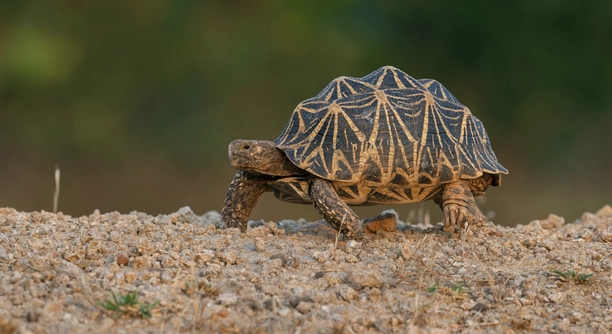
Turtles are fascinating creatures, but sometimes, their shells may not seem as strong as they should be. A soft shell can be concerning for pet owners, and understanding the causes can help ensure your turtle’s well-being.
A soft shell in turtles is typically caused by improper diet, lack of UVB light, poor water quality, or illness. This condition can also stem from calcium deficiencies, lack of exercise, or shell damage, which weakens their structure.
By identifying the cause, you can make adjustments to help your turtle regain a healthy, firm shell. Keep reading for practical tips and solutions to address this issue.
Improper Diet and Calcium Deficiency
A turtle’s shell relies heavily on calcium to stay strong and healthy. Without the proper intake of calcium, their shells may become soft and weak. A diet that lacks calcium-rich foods, such as dark leafy greens, calcium supplements, or properly balanced pellets, can cause deficiencies. This imbalance can show up in your turtle’s shell, leading to a soft, fragile texture.
Calcium is essential for bone and shell health. Without enough of it, a turtle’s shell becomes vulnerable and may lose its strength.
To fix this, ensure your turtle’s diet includes foods rich in calcium, like kale, collard greens, or dandelion greens. Adding a calcium supplement to their food can also help fill any gaps. Be sure to avoid feeding them high-phosphorus foods, such as spinach, which can hinder calcium absorption. Proper diet adjustments can improve your turtle’s overall health, and the shell will gradually strengthen over time.
Lack of UVB Light
UVB light is vital for turtles to process calcium properly and prevent shell softening. Without enough UVB light, turtles can develop metabolic bone disease, which weakens their bones and shell.
UVB light encourages the production of vitamin D3, which helps absorb calcium. Without this essential light source, calcium remains unavailable to your turtle’s body.
Setting up a proper basking area with UVB light will ensure your turtle gets the exposure it needs. The light should be on for 10 to 12 hours a day, and the basking spot should be warm enough to allow the turtle to absorb the light effectively. Regularly check the UVB light for effectiveness and replace it every 6-12 months.
Poor Water Quality
Dirty or stagnant water can contribute to the softening of your turtle’s shell. Contaminants like ammonia and high nitrate levels weaken their immune system, making them more prone to health issues, including soft shells.
To keep your turtle’s environment healthy, change the water regularly, aiming for at least once a week. Use a reliable filtration system to remove waste and keep the water clean. Ensure the water temperature is also within the ideal range for your turtle species. A clean, filtered environment can support your turtle’s overall health, including shell strength.
Regular water testing is important. Use test strips to monitor ammonia, nitrites, and nitrates. High levels of any of these can be harmful to your turtle. If you find the water quality is poor, address it quickly by changing the water or improving your filtration system.
Lack of Exercise
Turtles need space to move around and exercise to stay healthy. Without enough physical activity, they may become weak, which affects their shell and overall strength. A lack of exercise can cause muscles to atrophy, leading to a soft shell.
Providing enough space for your turtle to swim and explore is essential. Ensure the tank is large enough for your turtle to move freely. Additionally, encourage exercise outside the tank in a safe, controlled area. Allow your turtle to walk around and swim in shallow water to strengthen its muscles and shell.
A lack of activity can also lead to other health problems, so make sure your turtle has opportunities for movement throughout the day. Proper exercise helps prevent a soft shell and promotes a healthier, happier turtle.
Illness or Infection
Certain infections or diseases can lead to a soft shell in turtles. Bacterial or fungal infections can weaken the shell’s structure, making it soft. Turtles with weakened immune systems are particularly vulnerable.
Signs of illness include unusual behavior, lack of appetite, or visible shell damage. If you notice any of these symptoms, consult a vet. Prompt treatment can prevent the shell from becoming permanently damaged.
Proper care, such as keeping the environment clean and providing a balanced diet, can help prevent infections. If an infection is the cause of the soft shell, antibiotics or antifungal treatment may be necessary for recovery.
Shell Damage
Physical injuries to the shell can cause it to soften or deform over time. If your turtle experiences any trauma, like being dropped or attacked, the shell may suffer long-term damage.
Ensure your turtle’s habitat is free of sharp objects or anything that might cause injury. Regularly check the shell for any signs of cracks, holes, or abnormal softness.
Shell damage may require veterinary care, such as medication or even surgical repair. Taking care to prevent accidents in your turtle’s environment will help protect the shell from further harm.
FAQ
Why is my turtle’s shell soft even though I’m feeding it well?
Even with a good diet, other factors could be contributing to a soft shell. Insufficient UVB light, poor water quality, or lack of exercise may be the main culprits. These factors can interfere with calcium absorption or lead to weakness in the shell. Make sure your turtle is getting proper exposure to UVB light, that the water is clean, and that they have enough space to exercise. Additionally, ensure that the diet is balanced and includes adequate calcium.
How can I tell if my turtle is sick or just has a soft shell?
If your turtle is acting unusually or showing signs of illness, such as not eating, staying inactive, or having unusual behavior, it might be sick. A soft shell alone isn’t enough to confirm an illness, but it can indicate an underlying problem, such as a bacterial infection or metabolic bone disease. Look for other signs of illness, like swollen eyes, nasal discharge, or visible damage to the shell. If in doubt, a visit to the vet is recommended for a proper diagnosis.
Can soft shell be reversed in turtles?
Yes, soft shell can often be reversed if caught early. Improving diet, ensuring proper UVB lighting, and cleaning the water can help. If the turtle is diagnosed with a deficiency or illness, the right treatment can promote recovery. However, severe cases of soft shell, if left untreated for too long, can lead to permanent damage. Early intervention is key.
How long does it take for a turtle’s shell to harden?
The time it takes for a turtle’s shell to harden depends on the severity of the issue and how quickly the cause is addressed. If the soft shell is due to a calcium deficiency or improper diet, it could take several weeks to a few months for the shell to fully harden. Consistently providing a proper diet, UVB light, and clean water will speed up the process.
Can water temperature affect my turtle’s shell?
Yes, water temperature plays a significant role in your turtle’s health. If the water is too cold or too hot, it can stress your turtle and weaken its immune system, making it more susceptible to shell problems. Maintain the water temperature within the ideal range for your turtle species, generally between 75°F and 85°F (24°C and 29°C). This will help your turtle stay healthy and keep its shell strong.
What should I do if my turtle’s shell is soft and deformed?
If the shell is both soft and deformed, it may be a sign of a serious underlying issue, like metabolic bone disease or prolonged calcium deficiency. First, check the diet to ensure calcium-rich foods and supplements are being provided. Set up a proper UVB lighting system to aid calcium absorption. If the deformity persists or worsens, it is important to visit a vet for a diagnosis and treatment plan.
Is it safe to use a calcium supplement for my turtle?
Yes, calcium supplements can be beneficial for turtles, especially if they are not getting enough from their diet. It’s important to use a calcium supplement that is designed for reptiles and follow the recommended dosage. Over-supplementing can also lead to issues, so moderation is key. Consult your vet to determine the proper amount for your turtle based on their size and age.
Can stress cause a turtle’s shell to soften?
Stress can contribute to a soft shell, especially if it’s caused by environmental factors like poor water quality or overcrowding. Turtles that are stressed out may also have weakened immune systems, which can lead to illness and shell problems. Create a calm, clean environment and ensure that your turtle has enough space to thrive.
What type of UVB light is best for my turtle?
The best UVB light for your turtle is one that emits a UVB wavelength of 290-320nm. These wavelengths are essential for vitamin D3 synthesis, which is necessary for calcium absorption. A good UVB light should be placed within 6-12 inches of your turtle’s basking spot, and it should be replaced every 6-12 months, as the effectiveness of UVB bulbs diminishes over time. Make sure to choose a reputable brand designed for reptiles.
Should I change my turtle’s habitat if its shell is soft?
Yes, improving the habitat is often essential for treating a soft shell. Ensure the water quality is pristine by regularly testing it and using a good filtration system. Provide a proper basking area with UVB lighting, and maintain the water temperature within an ideal range. A suitable environment encourages overall health and shell recovery.
Final Thoughts
A soft shell in turtles can be concerning, but with the right approach, it can often be treated and prevented. The key factors that contribute to a soft shell include an improper diet, lack of UVB light, poor water quality, and insufficient exercise. Calcium is especially important for maintaining a strong shell, so providing a diet rich in calcium and offering supplements when necessary can go a long way in ensuring your turtle’s health. It’s important to check your turtle’s diet regularly to make sure they are getting the nutrients they need.
Proper lighting is also crucial. UVB light helps turtles absorb calcium from their food, which directly impacts the health of their shell. Without adequate UVB exposure, your turtle may develop metabolic bone disease or suffer from calcium deficiencies, leading to a soft and fragile shell. A consistent lighting setup with proper temperature and UVB exposure will support your turtle’s overall health and strengthen their shell. Regularly replace UVB bulbs to ensure they are still effective.
Finally, maintaining clean water and providing a safe space for your turtle to exercise are essential steps in keeping their shell strong. Dirty water or poor tank conditions can lead to stress, infections, or diseases that weaken their shell. Providing a suitable habitat, where your turtle can swim freely and bask in the warmth, will help them thrive. If you notice any signs of a soft shell or other health problems, it’s important to address the issue early. Regular vet checkups can also help identify underlying problems that might not be visible at first. By following these guidelines, you can help your turtle maintain a healthy, strong shell for years to come.

Hello,
If you enjoy the content that we create, please consider saying a "Thank You!" by leaving a tip.
Every little bit helps us continue crafting quality advice that supports the health, happiness, and well-being of pets around the world, for pets of all shapes, sizes, and species.
We really appreciate the kindness and support that you show us!