
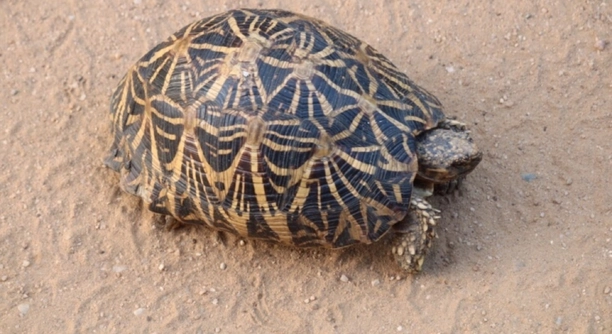
Turtles are known for their slow, steady ways, but when it comes to eating, some can be a bit picky. If your turtle isn’t showing much interest in greens, it’s important to understand why and how to help them enjoy a healthier diet.
To encourage your turtle to eat more greens, try offering a variety of fresh vegetables, making the greens more appealing, and creating a proper feeding environment. A little patience and persistence can go a long way in helping your turtle develop better eating habits.
There are simple steps you can take to encourage your turtle to eat more greens. Making small changes in their diet and environment can help boost their interest in fresh veggies.
Offer a Variety of Fresh Vegetables
One of the simplest ways to encourage your turtle to eat more greens is to offer a variety of fresh vegetables. Turtles, like people, can get bored with the same food day after day. Offering different greens, such as kale, dandelion greens, or romaine lettuce, keeps their meals interesting and can spark their appetite. Make sure to provide greens that are safe for your turtle and chop them into small, manageable pieces.
You may find that your turtle has preferences when it comes to specific types of greens. Some might enjoy darker, leafy greens, while others prefer softer varieties. The key is to experiment and find what your turtle enjoys most.
Incorporating a variety also helps ensure that your turtle gets a range of essential nutrients. Some vegetables offer higher amounts of vitamins and minerals, which are vital for their health. By mixing things up, you provide your turtle with a balanced diet while keeping mealtime exciting.
Create a Proper Feeding Environment
The feeding environment plays a big role in how your turtle interacts with its food. Turtles tend to eat more actively in environments where they feel secure and comfortable. This means providing a clean, quiet space for your turtle to feed. Avoid loud noises or disturbances during feeding time to help them focus on their meal.
Turtles are naturally slow eaters, so it may take them a little time to warm up to new foods. If your turtle is nervous, it could refuse to eat altogether. Placing the food in a designated area can help them associate that spot with eating. Avoid overcrowding or changing the feeding area too often.
You should also consider feeding your turtle at the same time each day. Regularity helps your turtle feel more at ease and encourages them to eat consistently. If they know when to expect food, they are more likely to be interested in it when it’s time to eat.
Introduce Greens Slowly
If your turtle isn’t used to eating greens, it’s a good idea to introduce them gradually. Start by adding small amounts to their regular food, then slowly increase the quantity over time. This helps your turtle adjust without overwhelming them with unfamiliar tastes or textures.
Turtles are creatures of habit, so changes in their diet can take some time. Begin by offering a small, manageable portion of greens alongside their regular food. As they get used to eating them, you can increase the amount of vegetables. It’s important not to rush the process; patience is key.
By introducing greens slowly, you allow your turtle to get accustomed to new foods at their own pace. It also prevents the risk of them rejecting the food outright. Over time, your turtle will develop a taste for their greens, making it easier to get them to eat more.
Make Greens More Appealing
Making greens more visually appealing can encourage your turtle to eat more. Consider mixing the greens with brightly colored vegetables like carrots or bell peppers to make the meal more inviting. A visually stimulating dish can spark their curiosity.
You can also try different textures and presentations to keep things interesting. For example, you can finely chop the greens or even try shredding them. Some turtles may prefer their greens in different forms, so experimenting can help find what works best. A varied presentation can entice your turtle to give the greens a try.
Adding a few safe toppings, such as small pieces of fruit or even a light sprinkle of calcium powder, can make the greens more attractive. It’s important not to overdo the toppings, but a small amount can help grab their attention and make eating greens seem more exciting.
Offer Greens at the Right Temperature
Turtles can be picky about the temperature of their food. Offering greens that are too cold or too warm may turn them off. Ideally, serve their vegetables at room temperature to ensure they’re more appealing and comfortable for your turtle to eat.
To avoid offering greens that are too cold, let them sit out for a few minutes after pulling them from the fridge. This gives the vegetables a chance to warm up and become more inviting. Warm greens may have a stronger smell that attracts your turtle.
Serving greens at the right temperature can make all the difference in whether or not your turtle decides to eat them. Room temperature is ideal for most turtles, and this small adjustment could encourage them to munch more eagerly.
Give Your Turtle Some Alone Time
Turtles can be easily distracted, especially in busy or noisy environments. Giving your turtle some peace and quiet while eating can help them focus and feel more comfortable. Keep other pets or people away while they enjoy their meal.
Sometimes, when there are too many distractions, your turtle may not feel safe enough to eat. This is why providing a calm and quiet space is essential for a successful feeding session. Let them eat without feeling rushed, and they might start eating more.
Use Tongs or Tweezers for Feeding
Using tongs or tweezers to offer greens directly to your turtle can help encourage them to eat more. By placing the food right in front of them, you make it easier and more inviting for them to grab. This can be especially helpful for picky eaters.
FAQ
What types of greens can I feed my turtle?
Turtles benefit from a variety of greens, including kale, dandelion greens, romaine lettuce, collard greens, and mustard greens. These offer important nutrients like fiber, vitamins, and minerals. Avoid iceberg lettuce, as it lacks nutrients and can cause digestive issues. Rotate the greens to prevent boredom and ensure a balanced diet.
How often should I feed my turtle greens?
You should aim to feed your turtle fresh greens daily. However, the amount can vary depending on your turtle’s species and size. Generally, they should have access to fresh vegetables every day. Monitor their eating habits to determine if they’re eating enough or too much.
Can I feed my turtle fruit instead of greens?
While fruit can be a healthy treat, it shouldn’t replace greens as the main part of their diet. Fruits like strawberries, melon, and blueberries are high in water and sugar, which can cause digestive issues if overfed. They should be offered in moderation and paired with leafy greens.
What can I do if my turtle refuses to eat greens?
If your turtle refuses greens, it may be a matter of presentation or preference. Try offering different types of vegetables, changing how they’re prepared (e.g., chopped, shredded, or whole), or adding a small amount of fruit or other food to entice them. If this doesn’t work, consider the possibility of stress or illness.
Are there any greens I should avoid feeding my turtle?
Yes, there are certain greens that should be avoided. Iceberg lettuce provides no nutritional value and can cause digestive problems. Avoid feeding your turtle spinach and beet greens in large amounts as they contain high levels of oxalates, which can interfere with calcium absorption and lead to kidney issues.
Can my turtle eat the same greens every day?
It’s best to rotate the greens to provide a variety of nutrients. While some turtles may eat the same greens daily without issue, variety ensures they receive a broader spectrum of vitamins and minerals. Consider offering different greens each day to keep things fresh and interesting.
What should I do if my turtle is not eating much at all?
If your turtle isn’t eating, there may be an underlying health issue. Stress, environmental changes, or an improper habitat can affect their appetite. Check the water temperature, humidity, and basking area to ensure they are within the correct range. If the issue persists, a vet visit is recommended.
How can I tell if my turtle is getting enough nutrition?
A healthy turtle should be active, have a bright and clear eye appearance, and have a smooth, firm shell. If your turtle seems lethargic, has a dull or soft shell, or shows signs of weight loss, they may not be getting enough nutrition. Adjust their diet and consult a vet if necessary.
Can I feed my turtle leafy greens that I buy from the grocery store?
Yes, most grocery store leafy greens are safe for turtles, but be sure to wash them thoroughly to remove any pesticides or chemicals. Buying organic options is a good idea to reduce exposure to harmful substances. Always avoid pre-packaged salads that contain additives or preservatives.
Should I add supplements to my turtle’s diet?
Adding supplements like calcium powder can be beneficial, especially if your turtle isn’t getting enough from their diet. Many turtles require extra calcium to keep their shells strong. However, over-supplementing can be harmful, so use them sparingly and follow recommendations from a vet.
Why is my turtle not eating its greens, even after trying different types?
There could be a few reasons why your turtle refuses to eat greens, such as stress, an incorrect diet, or a health issue. Sometimes, turtles need time to adjust to a new food. Be patient, keep offering a variety of greens, and monitor their health closely. If the problem persists, a vet should be consulted.
How can I make sure my turtle’s greens stay fresh longer?
To keep your turtle’s greens fresh, store them in the fridge in a sealed container or plastic bag. Make sure to wash them well before feeding, and try to use them within a few days for maximum freshness. Keep an eye on any signs of wilting or spoilage, and replace the greens as needed.
Can I feed my turtle cooked vegetables?
While turtles can eat some cooked vegetables, they are typically better off with raw greens, as cooking can reduce the nutritional value. If you do feed cooked vegetables, make sure they are well-cooked without any seasoning or additives. Over time, though, raw is usually the preferred option for their health.
Should I feed my turtle at the same time every day?
Yes, setting a regular feeding schedule helps your turtle develop a routine. They are more likely to eat if they know when food will be available. Consistency can also help regulate their digestive system, making it easier to monitor their eating habits. Feed them once a day or as recommended for their species.
What can I do if my turtle only eats a few greens and not a full serving?
It’s common for turtles to nibble on their food rather than eat large amounts at once. If your turtle is eating some greens, but not the full serving, it may be a matter of adjusting the portion size or offering smaller, more frequent meals. Try cutting the greens into smaller pieces to make them easier to eat.
Are there any signs that my turtle doesn’t like a particular green?
If your turtle consistently avoids a certain type of green or pushes it aside, they may not like it. You can try offering different greens or varying how they’re prepared. If the avoidance continues, it’s best to remove that type of green from their diet and try something new.
Final Thoughts
Encouraging your turtle to eat more greens takes time, patience, and some experimentation. It’s important to offer a variety of vegetables, as turtles have different preferences, and what works for one might not work for another. By trying different types of greens, you can find the ones that your turtle enjoys most, ensuring that they receive the essential nutrients they need. Consistency is key, so keep offering fresh greens and observe what your turtle eats best.
In addition to the type of food, the way you present it can make a difference. Cutting the greens into smaller pieces or serving them at the right temperature can help your turtle feel more comfortable and willing to eat. Reducing distractions during feeding time and creating a quiet, calm environment will also help your turtle focus on the meal. Remember, it may take time for your turtle to adjust, so avoid getting frustrated if they don’t immediately embrace every type of vegetable you offer.
If you continue to have trouble getting your turtle to eat greens, it may be worth checking their overall health. Stress, environmental factors, or illness could be affecting their appetite. If your turtle consistently refuses food or shows signs of illness, consult with a vet to ensure there’s no underlying health issue. By providing a proper diet, safe environment, and a little patience, you can help your turtle develop a healthy and varied diet that benefits them long-term.

Hello,
If you enjoy the content that we create, please consider saying a "Thank You!" by leaving a tip.
Every little bit helps us continue crafting quality advice that supports the health, happiness, and well-being of pets around the world, for pets of all shapes, sizes, and species.
We really appreciate the kindness and support that you show us!